When I visited the Japan visa application center in Bengaluru early September, I was taken aback by the rush of applicants. I had expected empty lines but it turned out that Japan’s popularity as a tourist destination is growing rapidly in India. In 2025, Japan is expected to welcome ~39million international tourists, bulk of them coming from East Asian countries. That’s quite a number, considering that until 2013, less than 10million tourists visited Japan. One of the recent surveys by Condė Nast Traveler places Japan at the top of best countries to visit.
Spring and autumn are busy seasons
I spent 15 days in Japan, in the first fortnight of October coinciding with the famous ‘Autumn colors’. I chose this period as I wanted to avoid the more crowded ‘cherry blossom’ season. Despite being a rich country, Japan is quintessential Asian, a unique blend of ancient traditions and advanced technology. Nature has been kind to Japan with some stunning sights though it also witnesses ~1500 earthquakes every year, most of them so minor that one does not even feel it. Close to 70% of land area comprises forests and mountains. With a very efficient transport network, rich heritage, extreme cleanliness, unique shopping and curated experiences, highly rated local cuisine(but not for vegetarians) and a safe environment for tourists, I returned with a feeling that Japan deserves a second visit.
Move to….
Is Japan difficult to navigate?
Places to visit in Japan for first time visitors
Is Japan a must visit destination?
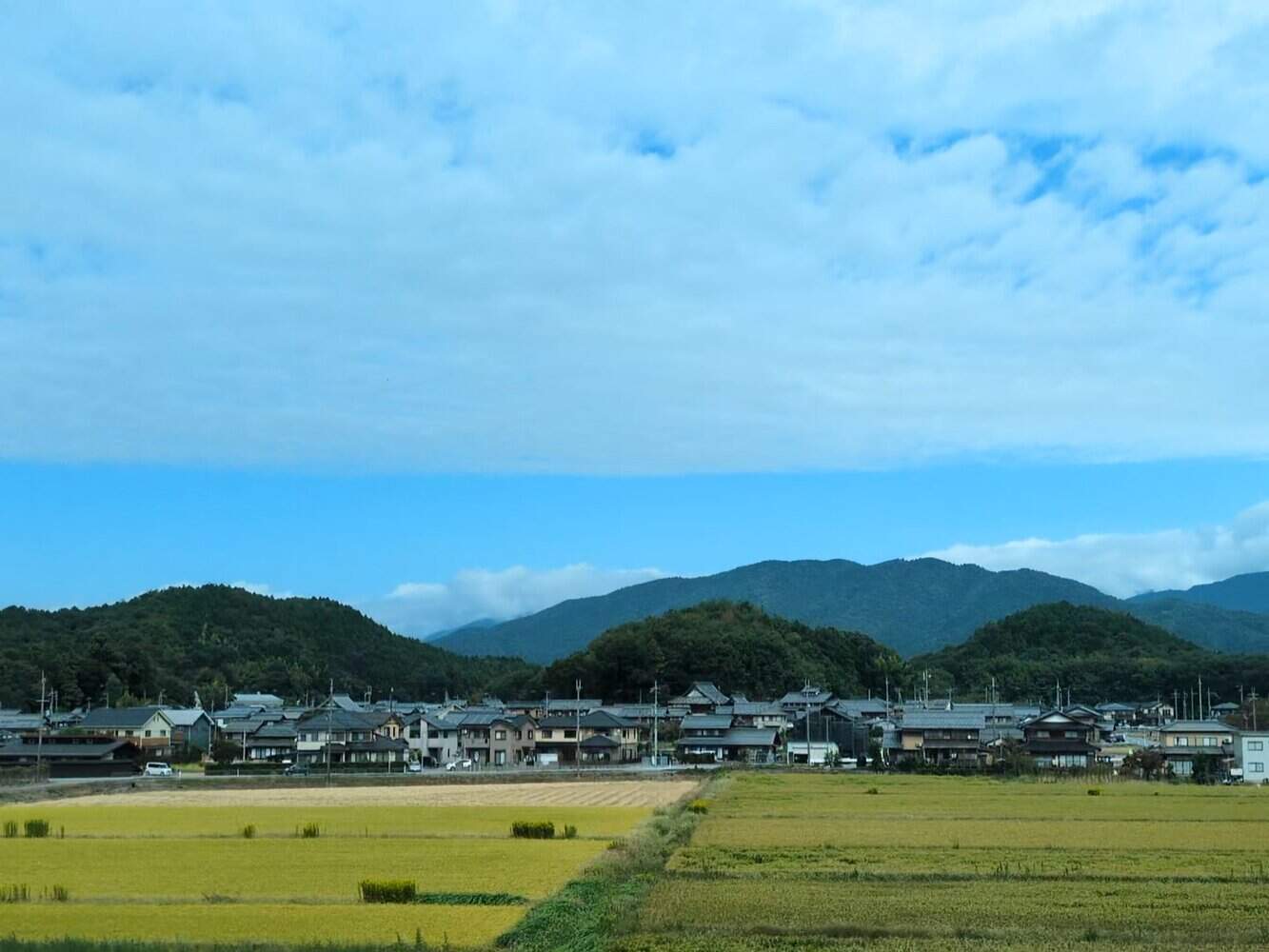
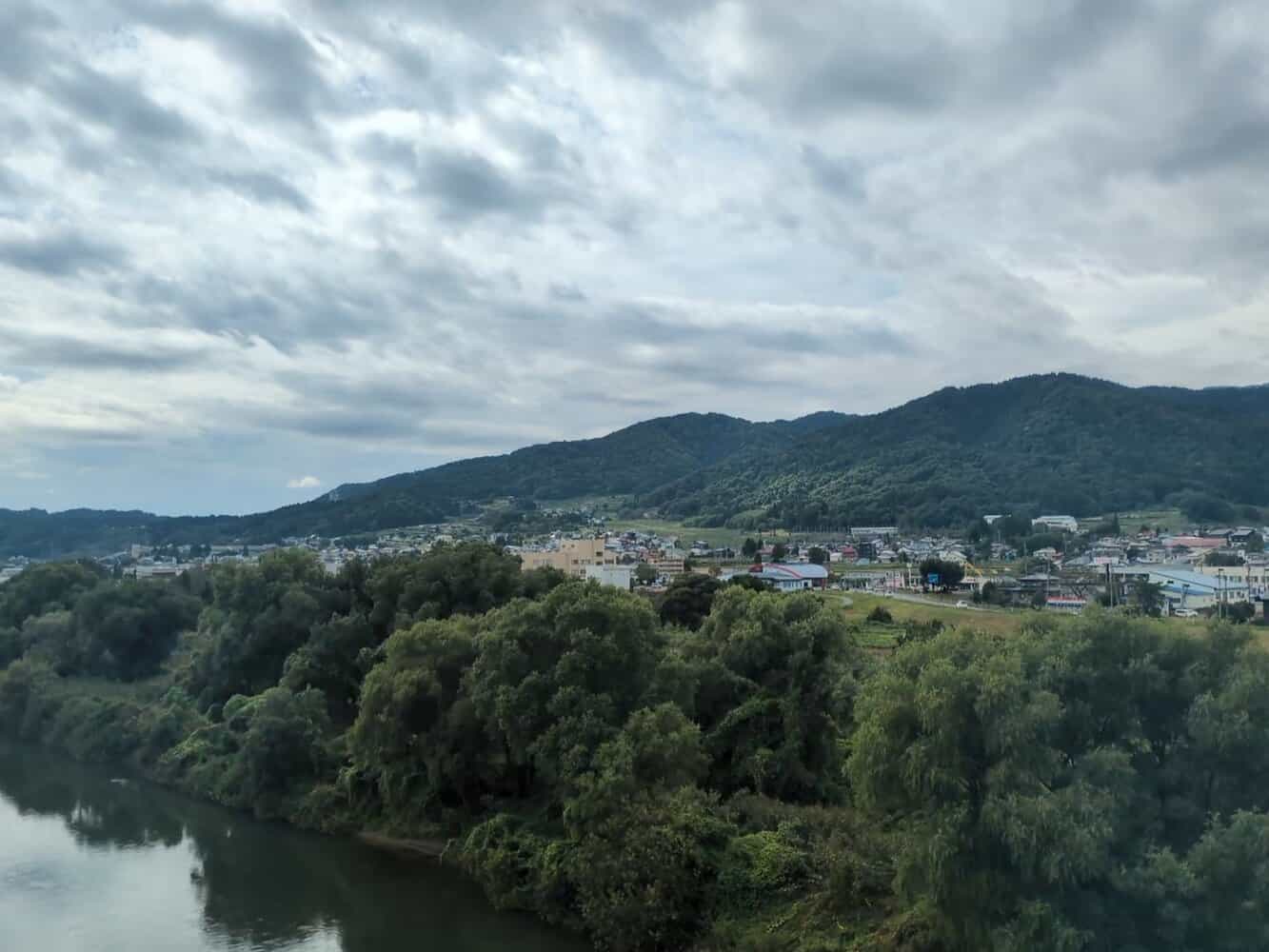
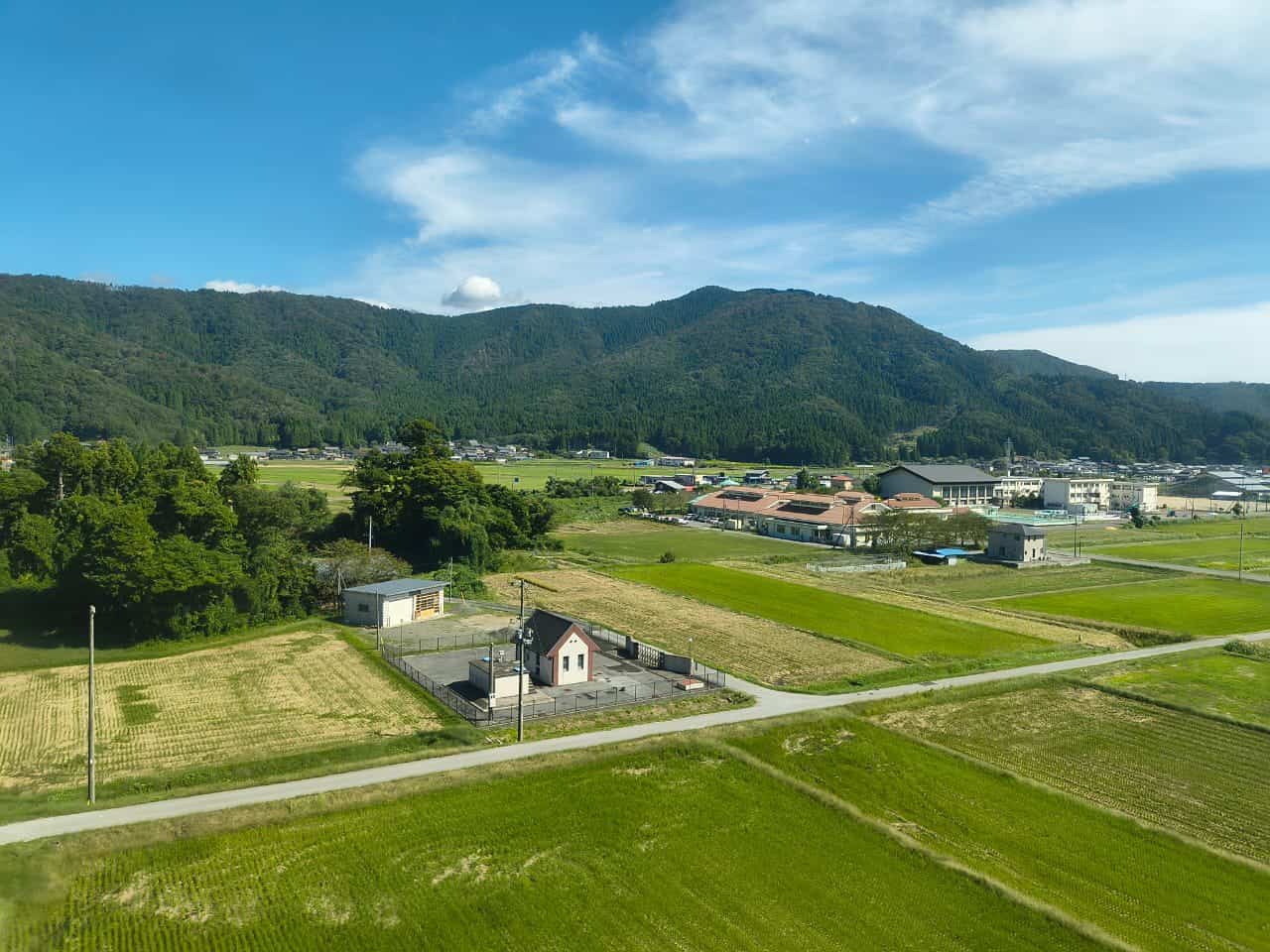
So how should a first timer plan a trip to Japan? Here are my experiences.
1. Is Japan difficult to navigate for a foreigner? Not at all.
I had been hearing that Japan is notoriously difficult to navigate if one does not know Japanese language and finding vegetarian restaurants is next to impossible. That may well have been the case a decade or two ago but I had absolutely no difficulty in planning the itinerary, making the bookings, and moving around in Japan. Few had even suggested I go with a tour operator but I eventually decided against it. I just love the freedom of doing my own research and then designing the itinerary.
There are signboards/announcements/displays/messaging in English in train/metro stations, bus stops, onboard buses and trains, streets, many shops and restaurants, etc. English is understood/spoken in almost all the areas frequented by tourists. But there will be odd occasions when ‘google translate’ is necessary. Even otherwise, there is an overload of information available on the internet.
2. Arrival into Japan
Most visitors land in Tokyo and few in Osaka. Tokyo has two airports-Narita Airport is 67kms away from Tokyo station while Haneda Airport is just 22 kms away. It does make sense to fly into Haneda airport if there is a convenient choice. Since Japan Airlines flies direct to Narita airport from Bengaluru, it was an automatic choice for me. An alternative would have meant breaking the journey in one of the south Asian airports or Hong Kong or Delhi but prices were actually cheaper than JAL’s direct flight.
Transfers from Narita Airport
From Narita airport, there are several options to get to the city – Narita Express, Keisei Skyliner (both trains), Airport limousine bus and taxis(including Uber and prepaid). I had a booked hotel within walking distance from Shinjuku station and following were my shortlisted options:
Narita express – ¥ 3250 per person(ordinary car, green car was JPY 4020)
Limousine bus – ¥3600 per person with several drop off points in Shinjuku
Prepaid taxi – ¥ 20k (hiring a cab at airport would have been much higher)
Keisei Skyliner was ruled out as that would have required a change to regular trains at Ueno/Nippori stations and that is convenient only if you have no more than one piece of luggage per person. Limousine bus has multiple drop off points and if the hotel is on the list, it would have been very convenient even though slower than train. My hotel was not on the list.
Narita Express is a good choice for select destinations
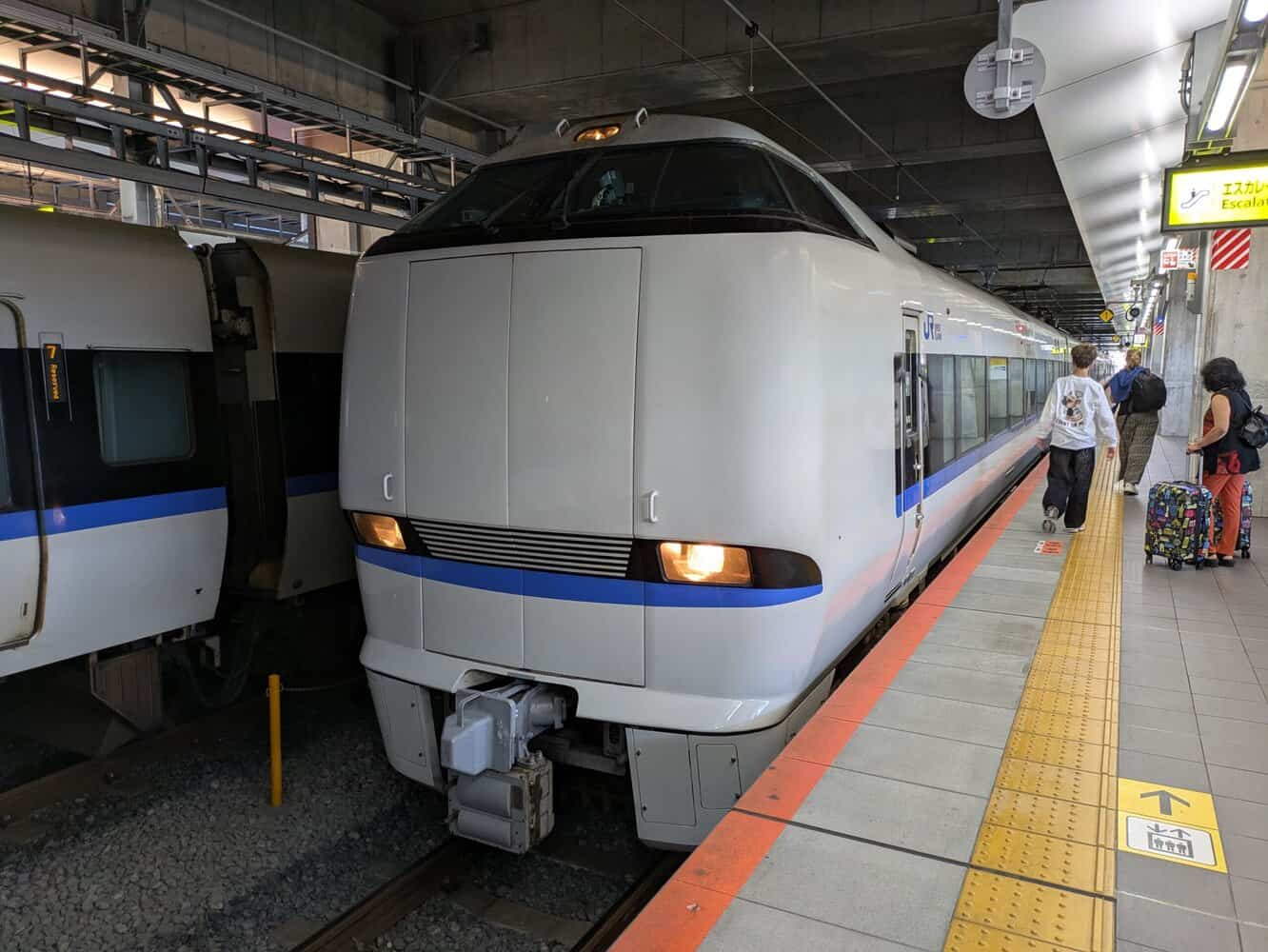
Since I had 3 pieces of medium sized luggage between the two of us, I chose Narita express as that was the cheapest and also the fastest. I did not book ahead of time as I was unsure how long it would take to complete airport formalities. The train took about 80 minutes to get to Shinjuku station. The ordinary car was almost empty when I boarded late afternoon and it was quite empty even on my return journey. While there are overhead racks, the luggage rack at one end of the car would have been inadequate if the train were to be even half full. There is some space though in between seats. Large luggage, above 160 cms, requires separate reservation on the last row seats.
Narita Express can be a good choice especially if you have booked hotels near Shinjuku, Shibuya, Shinagawa or Tokyo stations and not carrying too much luggage.
There is also an option for low cost airport bus service that goes to Tokyo station and Ginza. Costs only JPY 1500 and only one luggage per person is allowed.
3. The first purchase – Welcome Suica card
Amongst the first things I did at Narita airport was withdrawing local currency using my forex card, buying a Welcome Suica card and loading it with JPY10k. This prepaid card is a must in Japan and I used it to pay for public transport, subway/metro, buses, convenience stores, shops, restaurants, etc. across all the locations I visited. There is no deposit and it can be easily re-charged with cash only but the unused balance is non refundable. Just before departure from Japan, I had a small balance left, so I bought fruits at a convenience store and paid the rest by cash.
I always had occasions to use Suica card even though I was using rail passes, day passes, metro passes and so on. This card cannot be shared and each individual must possess one. Also my understanding is that you cannot board a limited express train or shinkansen with just suica card. A separate limited express ticket is required(see para on ‘limited express train tickets confusion’ below).
Alternative to Suica is Pasmo. There are others though not all for targeted at foreign travellers. Welcome Suica is good enough.
4. Rail passes and tickets
Confusing array of overlapping and non-comprehensive passes
Japan has a large number of private companies(including JR group) that operate national, regional and local rail and bus services. This has resulted in a confusing array of overlapping national, regional and local level passes. None of the passes comprehensively meet the requirements of a tourist often resulting in purchase of multiple passes. To give a simple example, as I was travelling to both Kansai region and Hokuriku sub-region, I evaluated Hokuriku Arch Pass and Kansai Hokuriku Area Pass – but both did not cover bus service from Kanazawa to Shirakawago, a popular village for tourists to visit or Kurobe Gorge Rail.
Some of the passes are exclusive to foreign tourists and must be purchased online or through authorized agents before arrival in Japan.
Savings may not be significant in value terms
Despite the extensive guidance available, including a Rail Pass calculator, it is not easy to figure out the optimum option. Check this website and you will understand the complexity. After spending fair amount of time on research, my conclusion was that the nation wide JR pass will generally not work out while regional/local passes are more likely to be cost effective depending on the number of days spent in the region. Even then, my experience is that the savings are unlikely be very significant in pure value terms. I saved ~ ¥5k(INR 3k) on the 7 day Hokuriku Arch Pass that cost ¥30k. With better planning, I could have saved another ¥6k which adds to a total of ¥11k in savings. Significant, in terms of percentage of cost but converts to only INR 6,600 per person and INR13k for a couple.
A pass did simplify making additional reservations, but I think booking separate journeys is also a fairly simple process but will require little more time.
Evaluate available passes before finalizing itinerary
I started looking at the available rail passes after booking the hotels and obtaining the visa, about a month before intended travel. I was unaware there would be multiple options available. In hindsight, I should have looked at available passes first and then finalized the itinerary.
The national JR Pass in ordinary car costs ¥50k for 7 days. You will have to make a minimum of 4 long journeys in 7 days to come close to break even. That’s lot of travel and that is why my conclusion was JR pass will not work for many tourists. The pass is also available for a 14 day and 21 day duration.
Passes have to be purchased before arrival
I bought Hokuriku Arch Pass from JR West website mainly because JR East required creation of an account while JR West did not. The 7 day pass cost ¥ 30,000 per adult. Hokuriku Arch Pass only required first traveller details, email ID and a 4 digit PIN. After paying for the pass, I was allotted a reservation number and I could access my account using the reservation number, email ID and PIN. Thereafter, I booked the major trains(including Shinkansen) and also reserved the seats online before arrival in Japan. Very smooth process and cancellations too can be done without any additional cost. For some reason, online access was not available after I collected the physical pass and tickets in Tokyo. Tickets can also be booked after arrival in Japan.
The pass and the tickets(if seats are reserved) have to be printed out. Showing eMail confirmation or online account is not accepted. In any case, printed pass is required to pass through automated gates at the railway stations. If pass is not used, a separate full ticket(not the reservation ticket) or QR code will be required. With the printed pass, one can travel in unreserved cars without any additional ticket.
Seats options included group, with table, work desk(if available) and separate, meaning travellers are willing to sit separately if seats together are not available.
Upgradation requires full payment
Note that if a pass is purchased for ordinary car, upgradation from ordinary to green car requires full payment of green car price, and not just the differential. I took the green car from Kyoto to Odawara and honestly, it is not worth the additional cost. Yes, seats are broader and reclines more but that hardly justifies the higher price as standard cars too are very comfortable.
Best to buy tickets from official websites. Travel portals charge higher rates.
Separate Shinkansen bookings
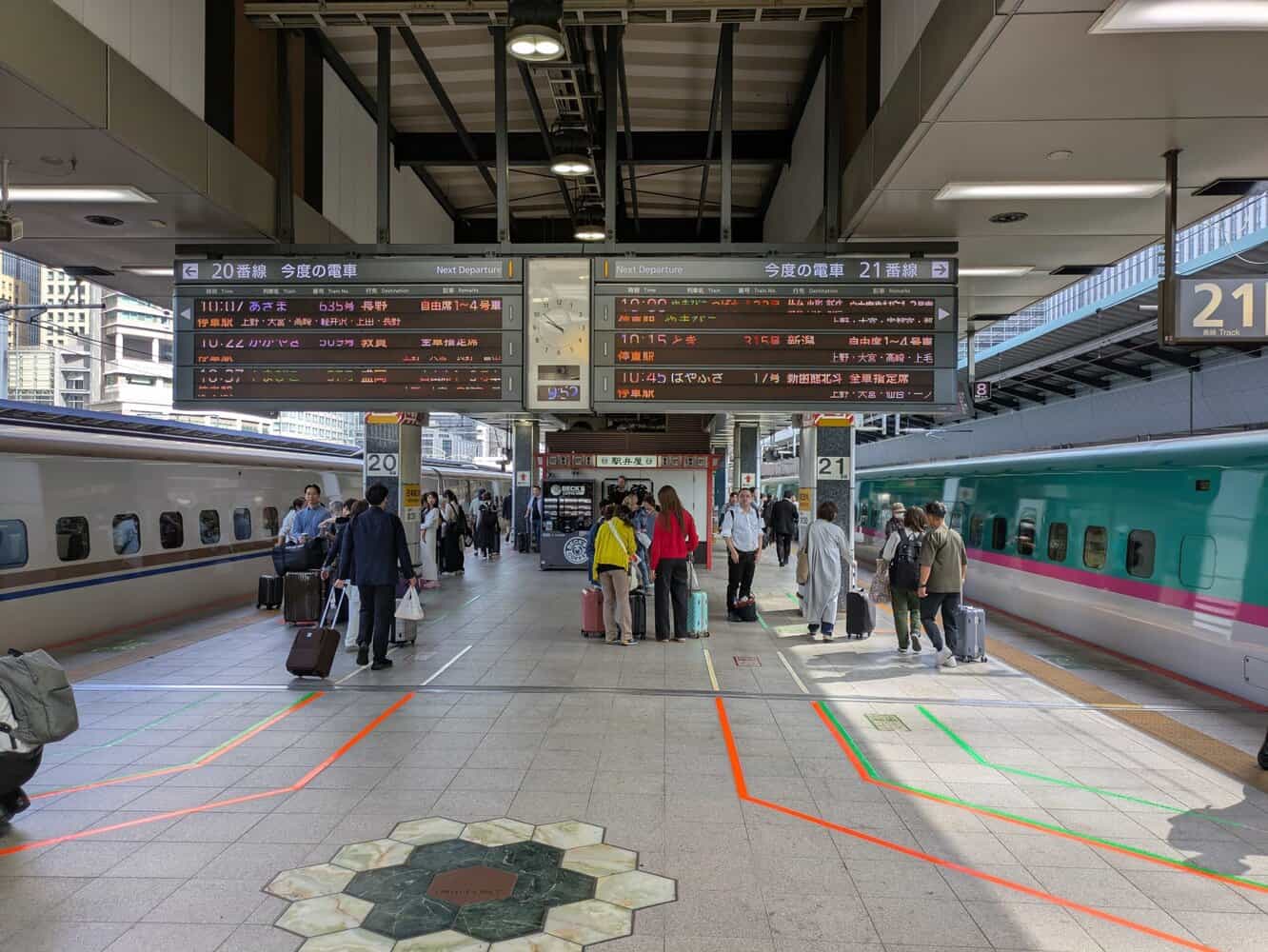
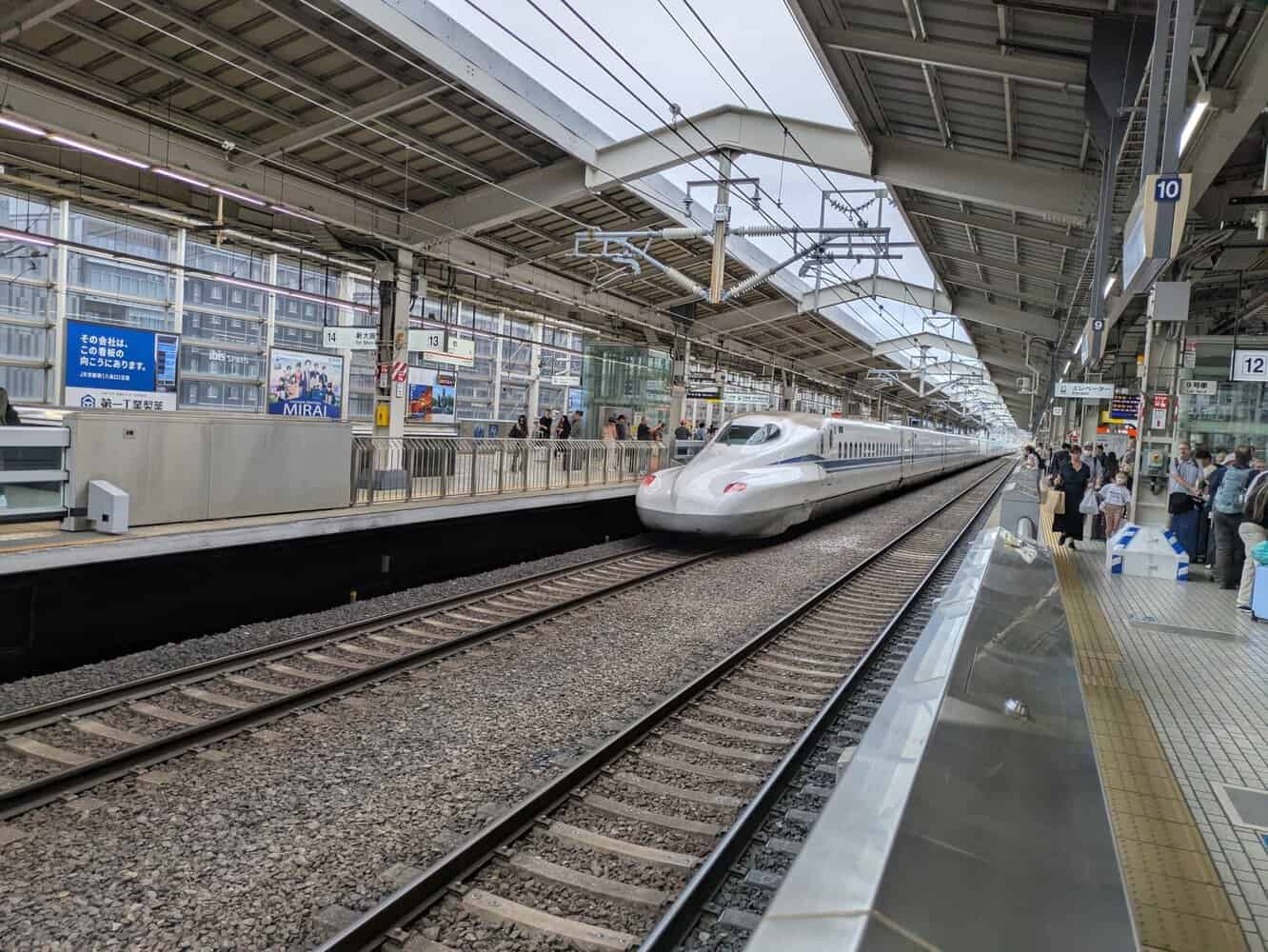
A trip to Japan is incomplete if one does not experience travel by Shinkansen or bullet trains. Shinkansen represent the epitome of efficiency and technology at work. Even at a speed of 285km/hr, I hardly felt a thing.
Shinkansen tickets can be booked on relevant JR websites(with or without pass) or Shinkansen official website. Discounts are often available on the official website and I got the Kyoto-Odawara green car ticket at JPY 25k for 2(normal price JPY 34k), a price marginally higher than ordinary car price. Cancellations too are super easy though there is a fee.
If you are booking connecting trains, make sure to keep a minimum of 30 minutes buffer. Transfers can often take time.
Limited express train tickets confusion
There are two types of train tickets – base fare ticket and limited express ticket. Shinkansen and many regional trains are express trains with limited stops and hence both the tickets need to be purchased. If you book on official websites, you normally get a combined ticket. If you have a pass that only covers base fare or are using suica card that also covers only the base fare, a separate limited express ticket needs to be purchased. When I booked Odakyu Romance car online, I only paid for the limited express fare. I had to buy base fare ticket at the Hakone-Yumoto train station to enter the platform! Can be a bit confusing. But that was the only occasion I had to buy a separate ticket. With the pass and on Shinkansen/Tobu Rail website, combined ticked was issued.
5. Luggage transfer service is popular. Avoid large suitcases if possible
Luggage transfer service is quite popular in Japan. Given the high density of population, trains and buses can get very crowded making it is near impossible to travel with multiple pieces of luggage or even a large luggage. I was lucky in the sense that all the trains I travelled by with luggage(Narita Express, Shinkansen, regional train) were almost half empty. I did not take any large luggage and I did not have any need to use luggage transfer service. Nor did I have to use lockers that are available in every major train station.
Any luggage over 160 cms is deemed a large luggage. In Shinkansen, this will require booking specific seats(last row).
6. Get used to smaller hotel room sizes and restaurants
In many of the hotels, the standard rooms are about 14-18 sq. m that cost around INR 15k per night. I booked larger rooms, ~ 20-24sq. m. but that meant paying a premium(between INR 20k to 30k+ per night). Every hotel room I booked had a bathtub and that also reduced the available space. Traditional ryokans are bigger but also cost more. Then there are AirBnbs, Capsule hotels and family run inns called minshukus. The western branded hotel chains like Marriott, Hyatt etc. have larger rooms but are also more expensive than local/regional branded hotels.
Many of the restaurants too are small. Very much like the fast food outlets.
7. Places to visit in Japan for first time visitors
Japan comprises four major islands and while every island has something or the other to offer, first timers should spend most of the time on the biggest island of Honshu. Only if you have more than 3 weeks, you can consider exploring other islands.
On the Honshu island, the most popular region is Kanto(Tokyo, Nikko, Kamakura, Hakone…) followed by Kansai(Osaka, Kyoto, Nara, Kobe….). Other regions include Chubu (Japanese Alps, Kanazawa, Mt. Fuji…) and Chugoku (Hiroshima, Miyajima island).
I visited the following places:
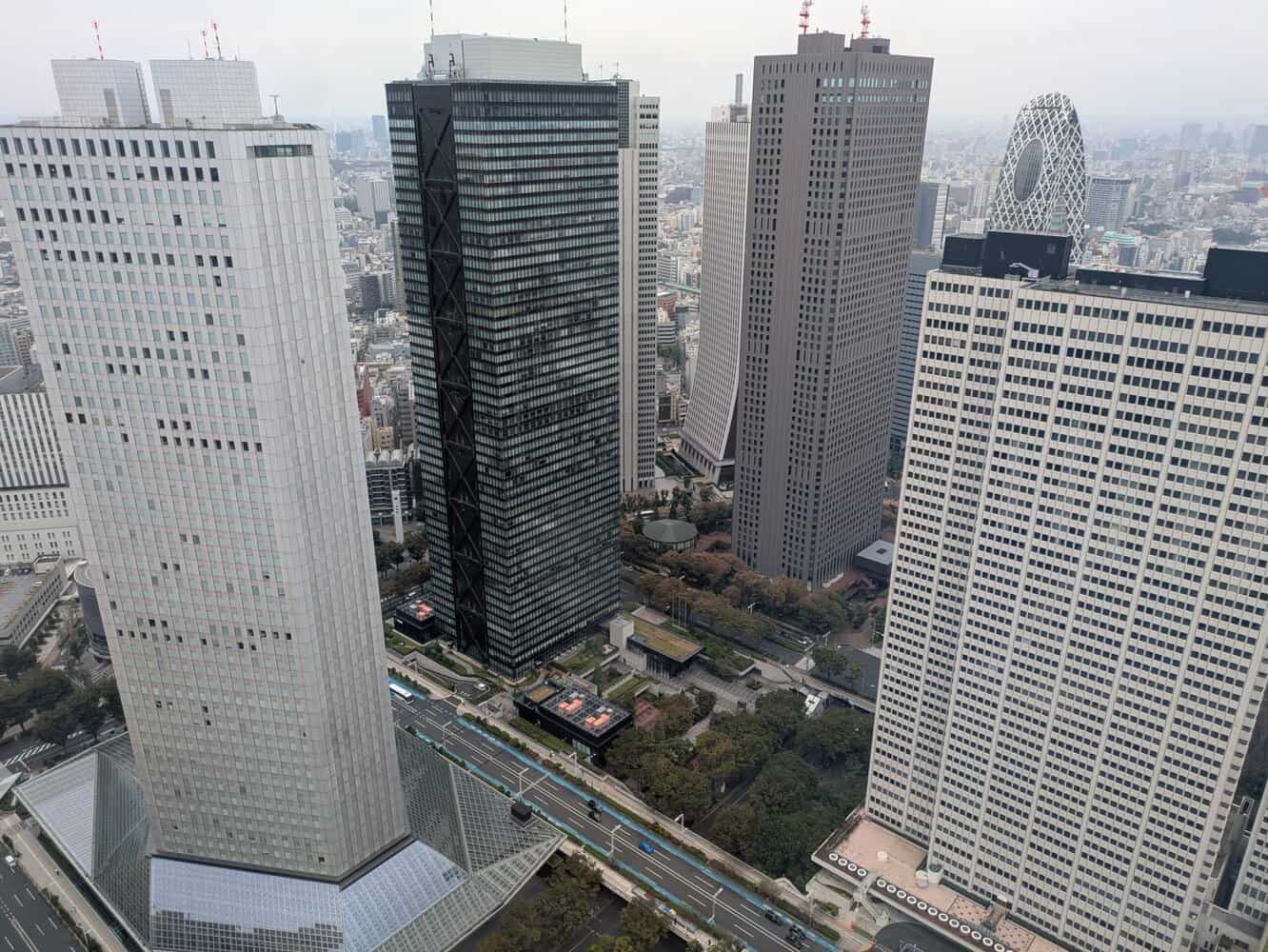
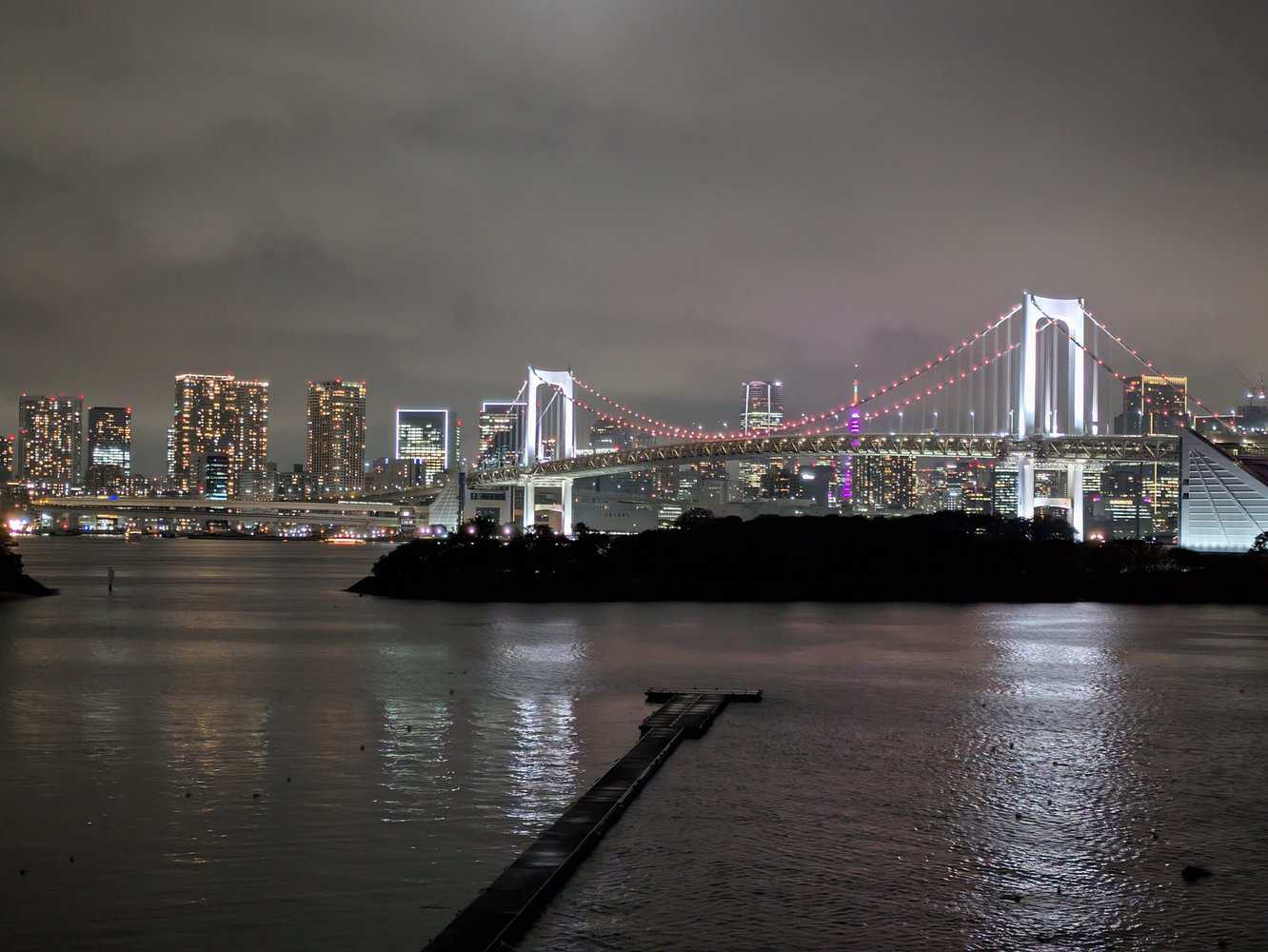
-The very modern Tokyo(5 nights with day trip to Nikko);
–Kanazawa, the little kyoto(3 nights with day trip to Tateyama Kurobe Alpine route);
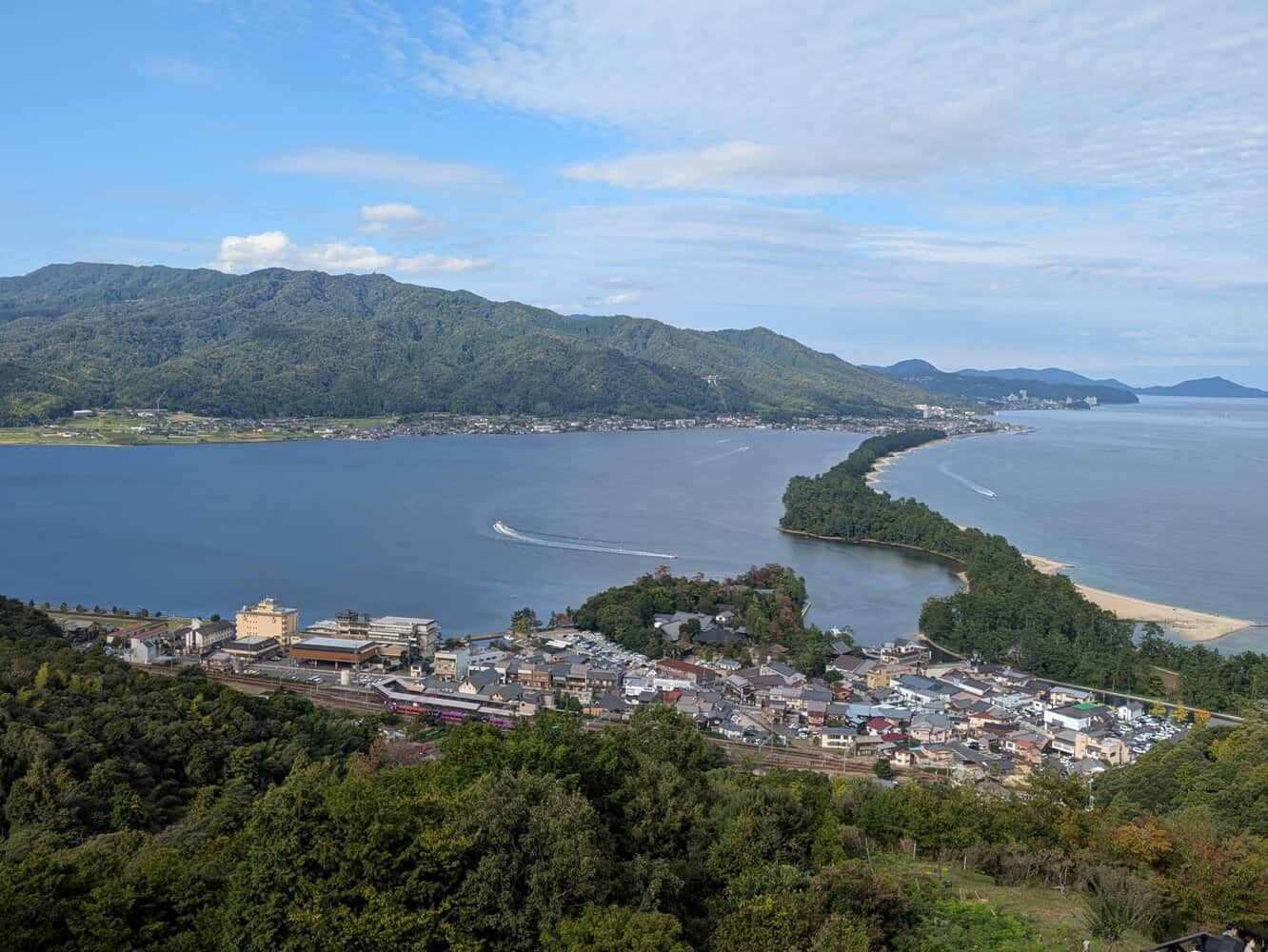
-The former imperial capital of Kyoto(4 nights with day trip to Amanohashidate); and
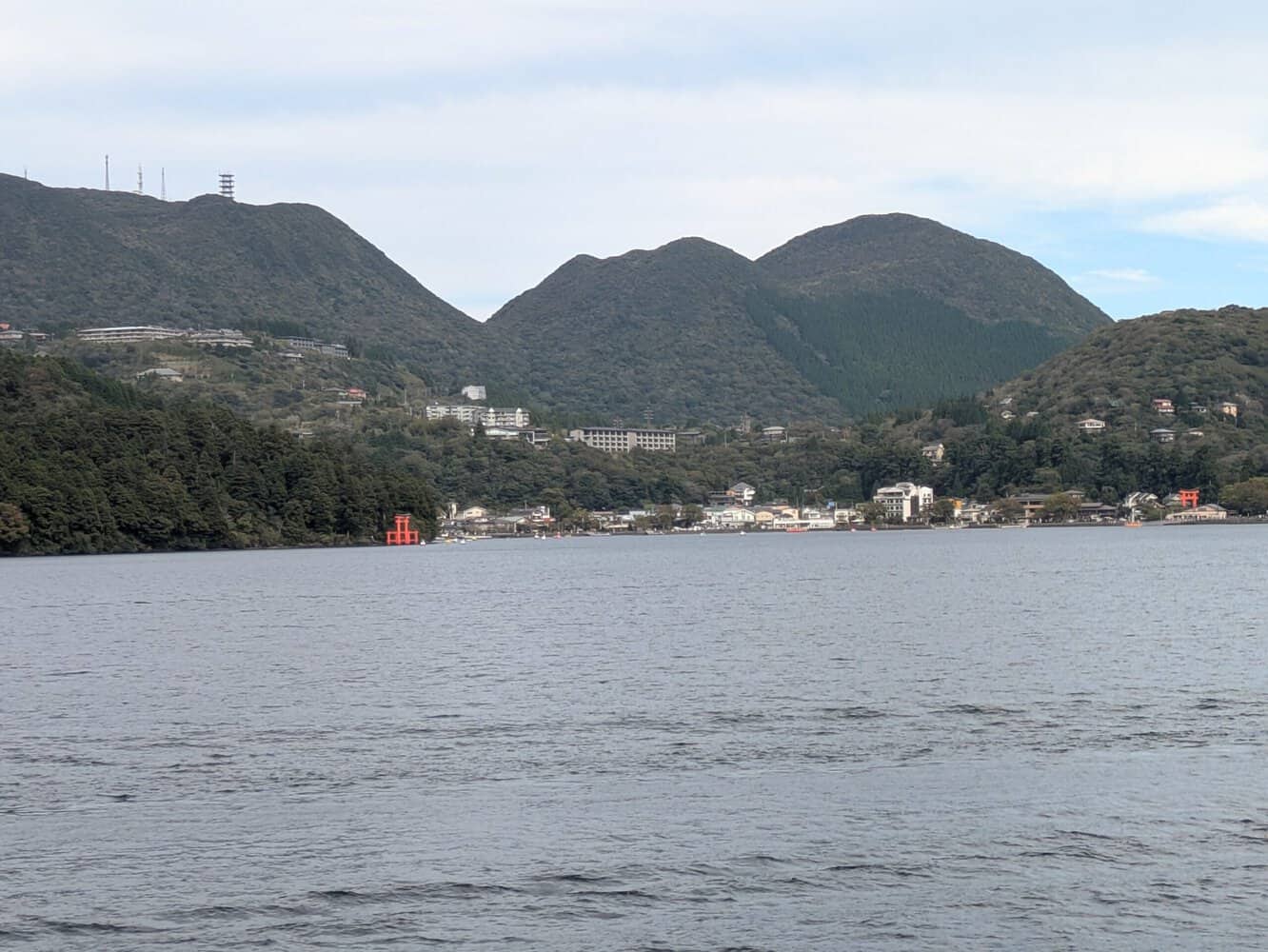
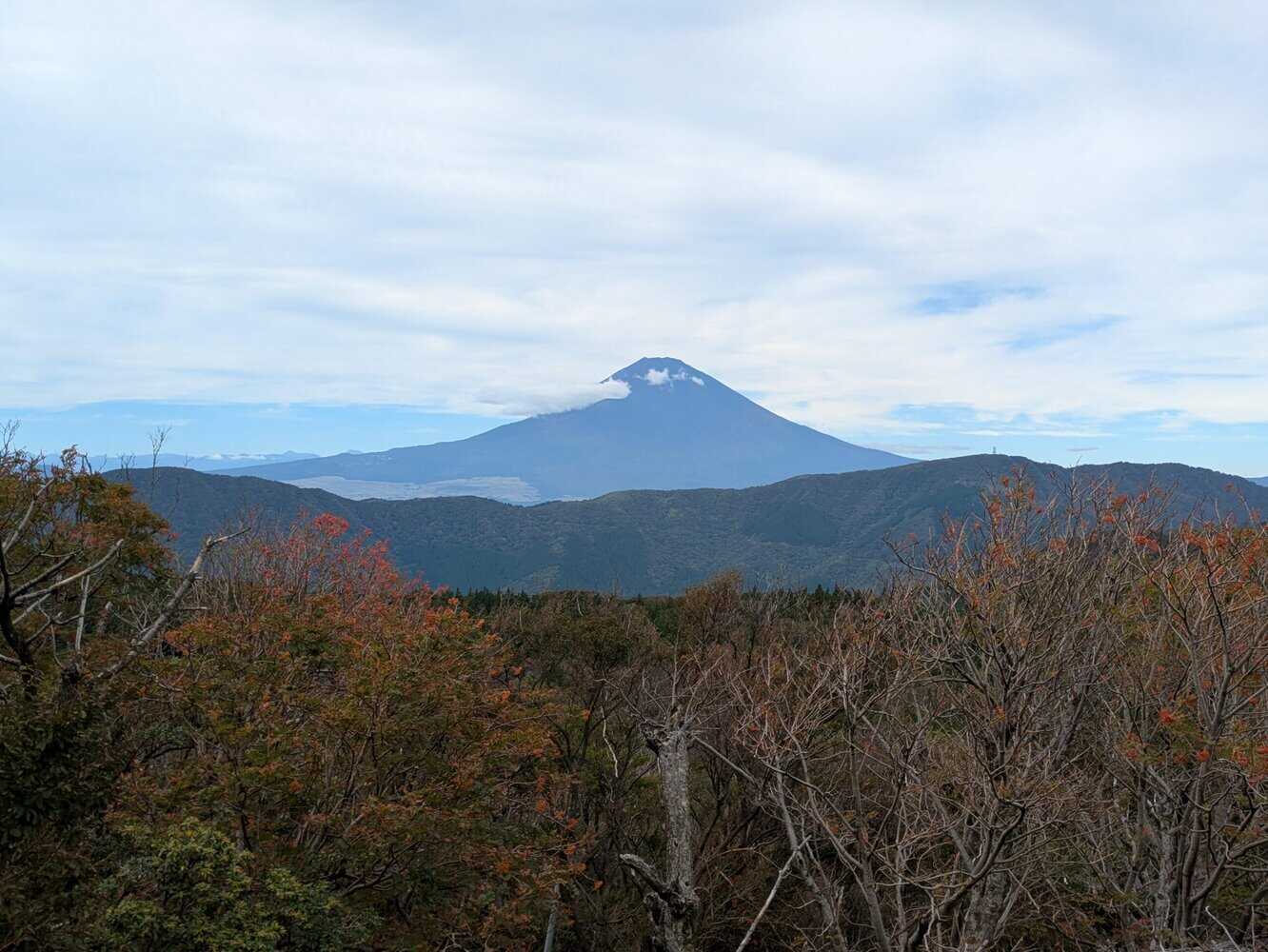
-The scenic Hakone(2 nights).
Kyoto was a bit of disappointing
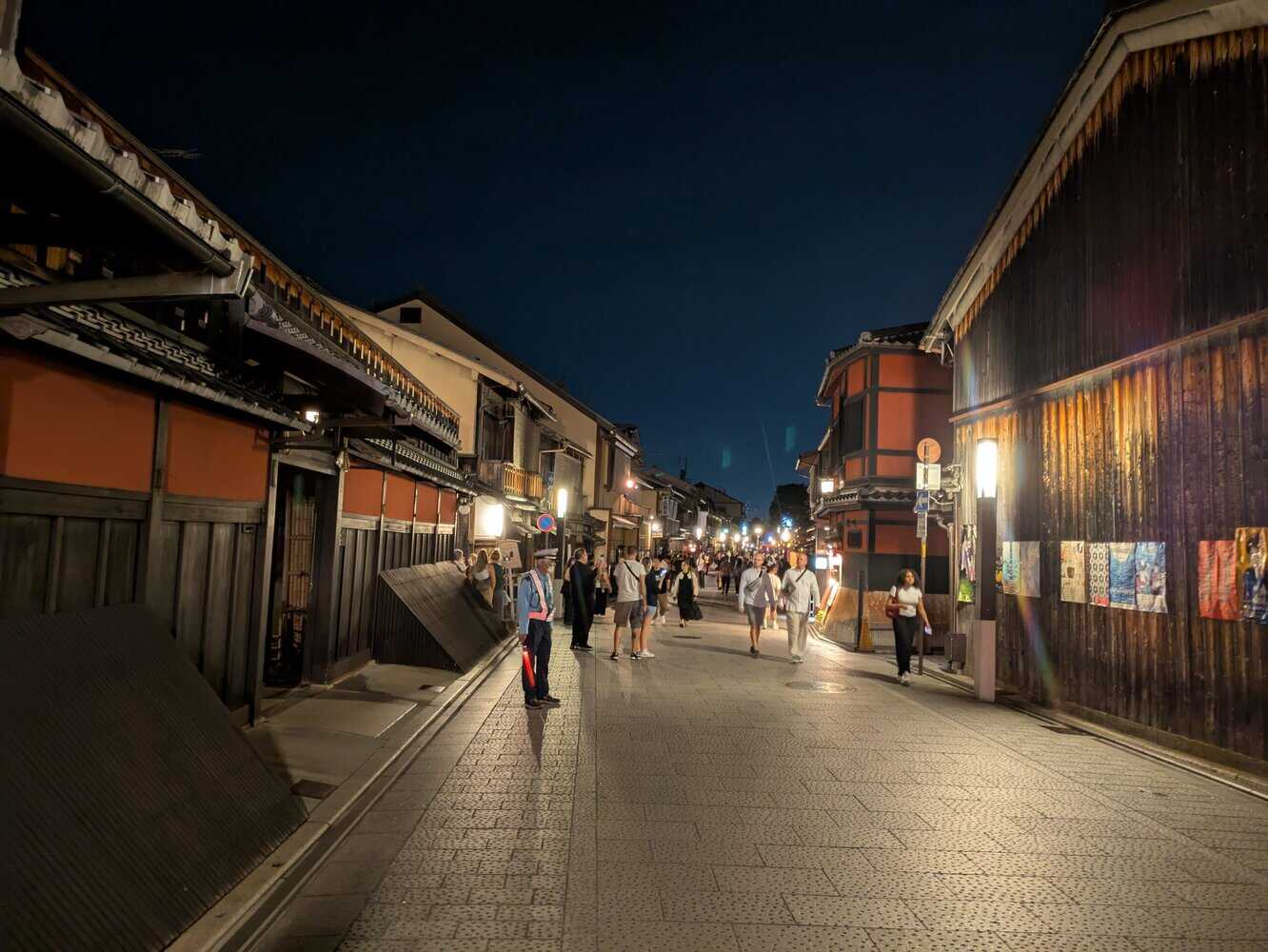
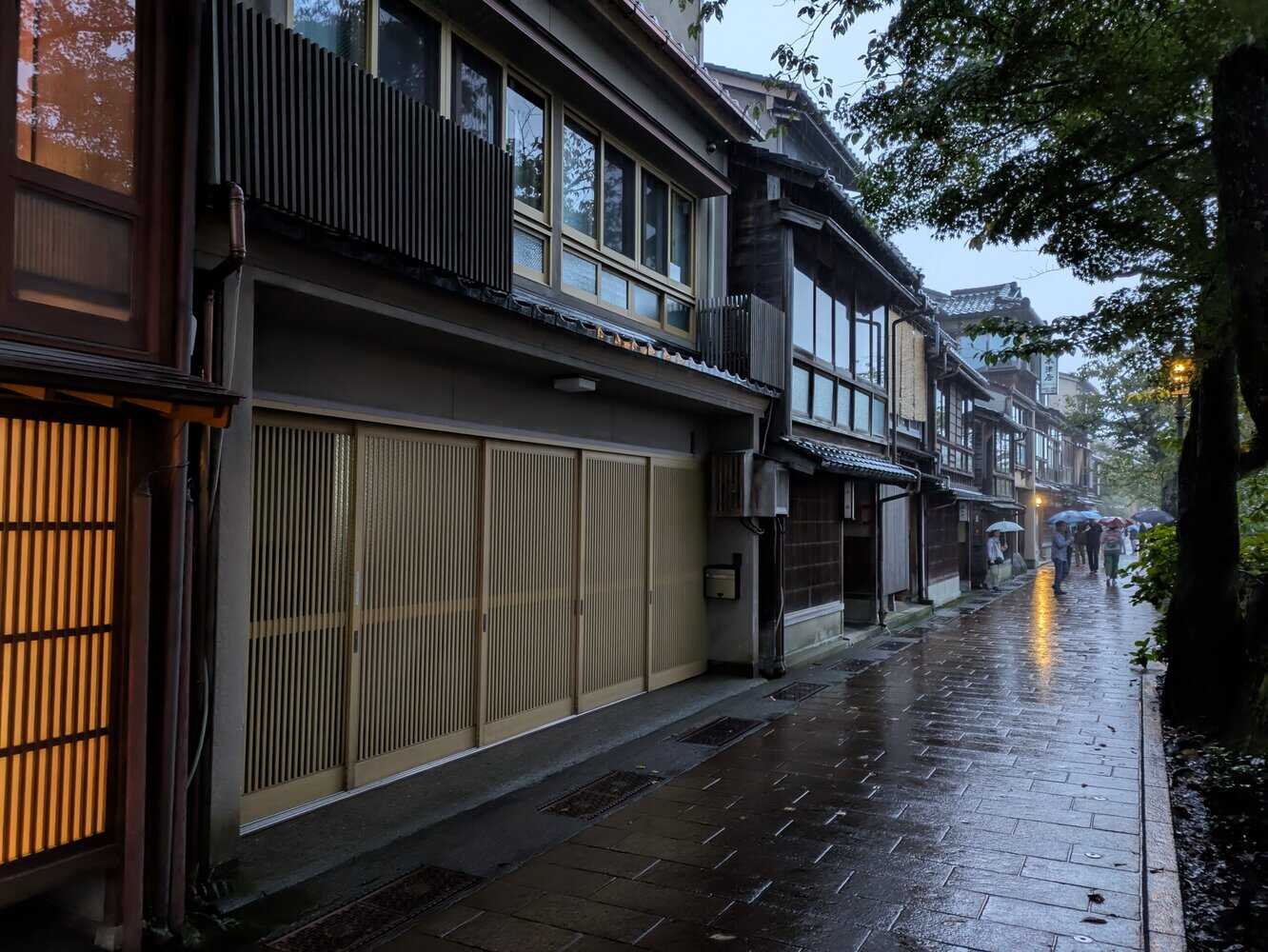
The biggest disappointment was Kyoto. I think Kyoto is a bit overrated, crowded and expensive if you do not book accommodation well ahead of time. I stayed here for 4 nights which in hindsight could have been curtailed. Gion, the Geisha district, is highly touristy and while it is lovely, the Geisha district in Kanazawa was equally appealing, minus the crowds. The highlight of my Kyoto stay was the day trip to Amanohashidate that is listed among the top 3 scenic places in Japan. It was fabulous.
Be selective in visiting temples/shrines and Onsens
Many of the attractions in Japan revolve round Buddhist temples, Shinto shrines and Onsens.
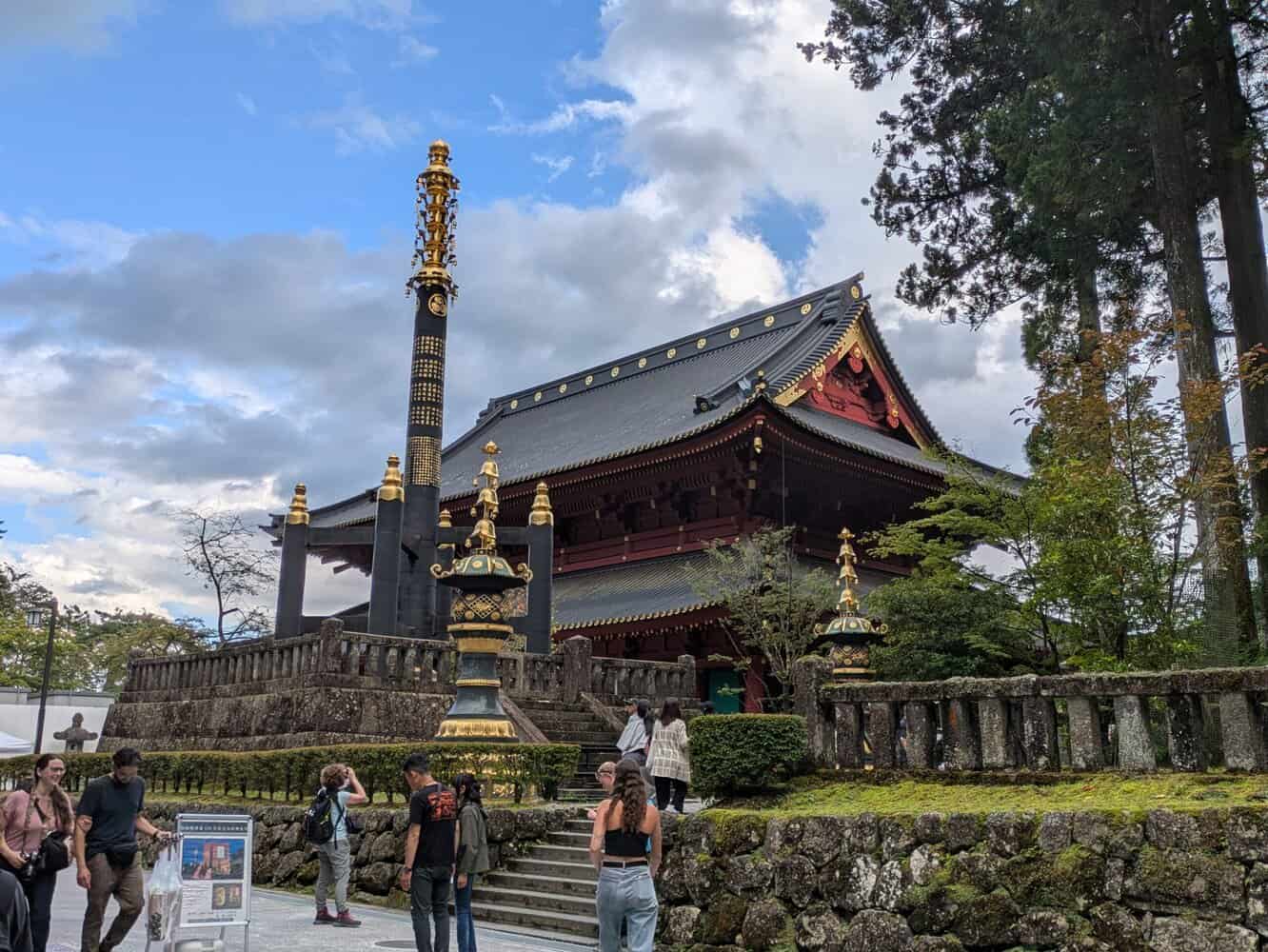
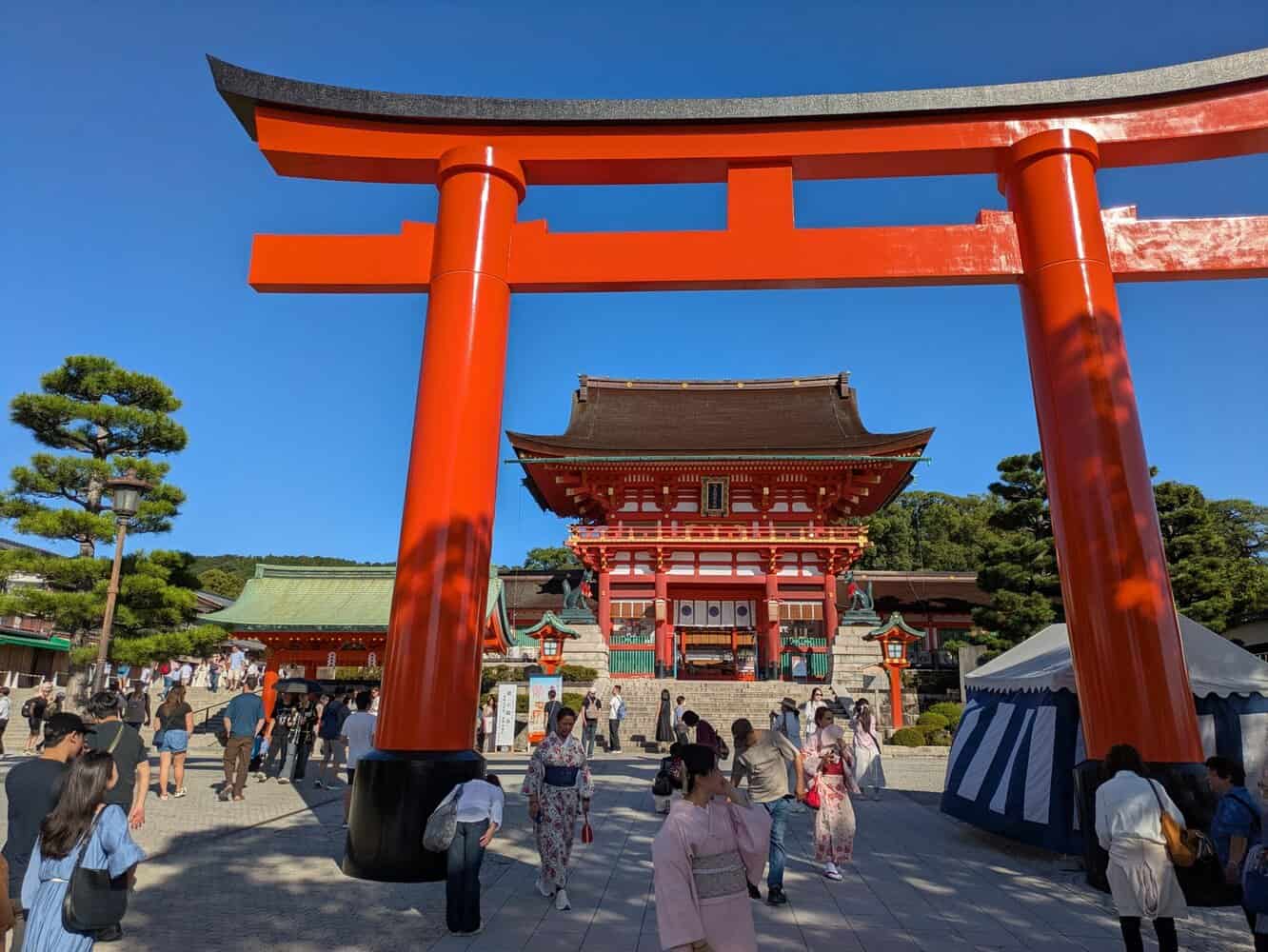
Buddhist temples and Shinto shrines, are mainly set up in a natural surrounding-lakes, forests, mountains etc. that make them very attractive to visit. So also several Onsens. There are subtle differences between a Buddhist temple(with Pagoda) and a Shinto shrine(with Torii gate) in architecture and in customs/beliefs, but all temples and the shrines look alike and this is why one can easily be choosy if a specific location is only famous for its temples and shrines.
Same logic applies to Onsens. While Japanese are seasoned users, I could not sit in an onsen for more than 10-15 minutes at a time. With break, about 25-30 minutes in total. Adding the time for a shower before and after, the Onsen experience lasts about an hour at the most. While it feels great and rejuvenating, I certainly did not feel like doing it everyday. There are plenty of Onsens all over Japan. Heading into an Onsen while sightseeing is not very convenient. Best done in the evenings or on a day which is a bit relaxed. Choose ahead of time where you wish to experience it. I opted for Hakone. Opt for a private one(costs more) if you have inhibitions. In public baths, smaller towels are normally allowed(too small to wrap around) but no swimming trunks. Many Onsens have separate bathing areas for men and women.
Day trips considered but not visited
A day trip from Kyoto to Hiroshima/Miyajima Island is possible but it would have been too rushed. Anyway, Hiroshima was not very appealing but would have loved to visit Miyajima island as it is rated among the 3 top scenic places in Japan.
Matshushima Bay is listed among the 3 top scenic places in Japan, north of Tokyo near Sendai(recollect reading about the Tsunami?). A day trip from Tokyo was possible but could not squeeze in.
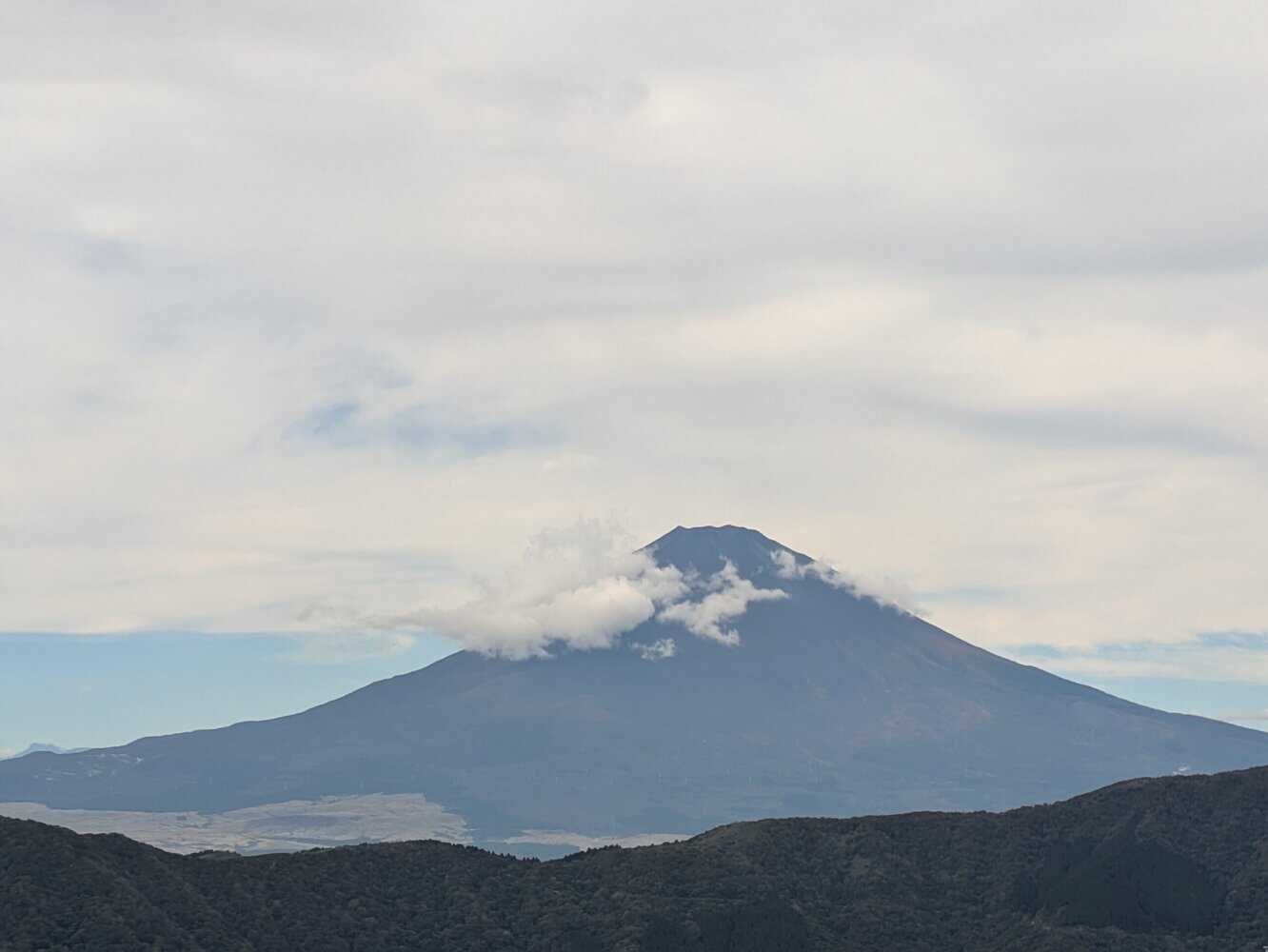
Fuji 5 lakes is stated to be lovely place with great views of Mt. Fuji on a day trip from Tokyo. But the trip has to be made on a clear day and hence I could not plan it ahead of time. In any case, I had planned a trip to Hakone which is another great place for Mt. Fuji views.
Shirakawago and Gokayama are famous villages near Kanazawa, a UNESCO World Heritage site. Requires a full day and by public transport, it was difficult to cover in half a day.
Osaka is very close to Kyoto but did not visit as Osaka is also a big town like Tokyo.
Nara is a popular place but I did not find it appealing to do a day trip from Kyoto.
8. If I were to change my itinerary in hindsight
If I were to redraw my itinerary, I would drop one night from Kyoto and add it to Kanazawa to visit either Shirakawa-go or Kurobe gorge(only when the full stretch reopens). In Tokyo, I would swap day trip to Nikko with day trip to Matsushima Bay(more so because I prefer nature and Nikko monuments, though very grand and ornate, were quite similar to what I saw elsewhere).
I would still skip Miyajima Island due to time constraint and also because the Torii gate seen at Miyajima Island can be seen all over Japan, the only difference being it is in water.
Osaka, just 30 minutes away from Kyoto, is also an option to consider for staying instead of Kyoto as accommodation is said to be cheaper here. Kyoto and Amanohashidate can be easily visited from Osaka also.
9. How many days is good?
About 2 weeks is good for first time visitors to experience most of what Japan has to offer. Three weeks is even better as that may mean you may not have to return to Japan unless you wish to visit during a different season. If you have only a week, consider Tokyo and nearby areas or Osaka and nearby areas, depending on the point of arrival. Japan needs a relatively slow place of exploration so I would advise against covering both Tokyo and Osaka/Kyoto in a 7 day period.
10. Vegetarian Food
With abundance of michelin star and trailblazing restaurants(especially Tokyo), famous and relatively cheap street food, Japan can be a foodie’s delight. But alas, for vegetarians like me, Japan was a bit of a disappointment.
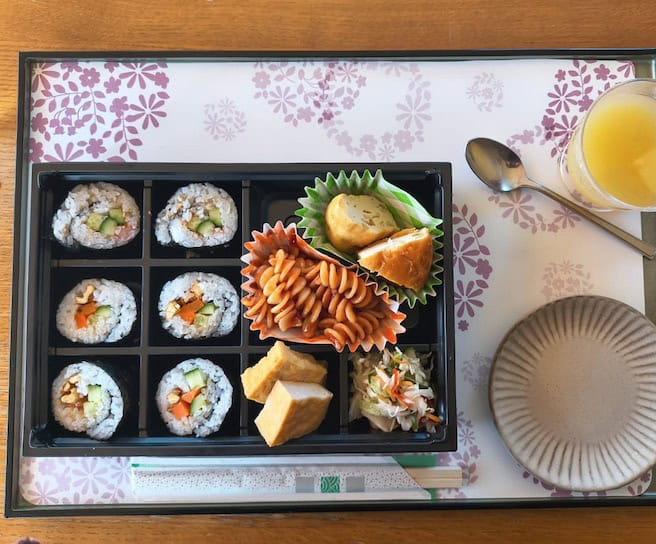
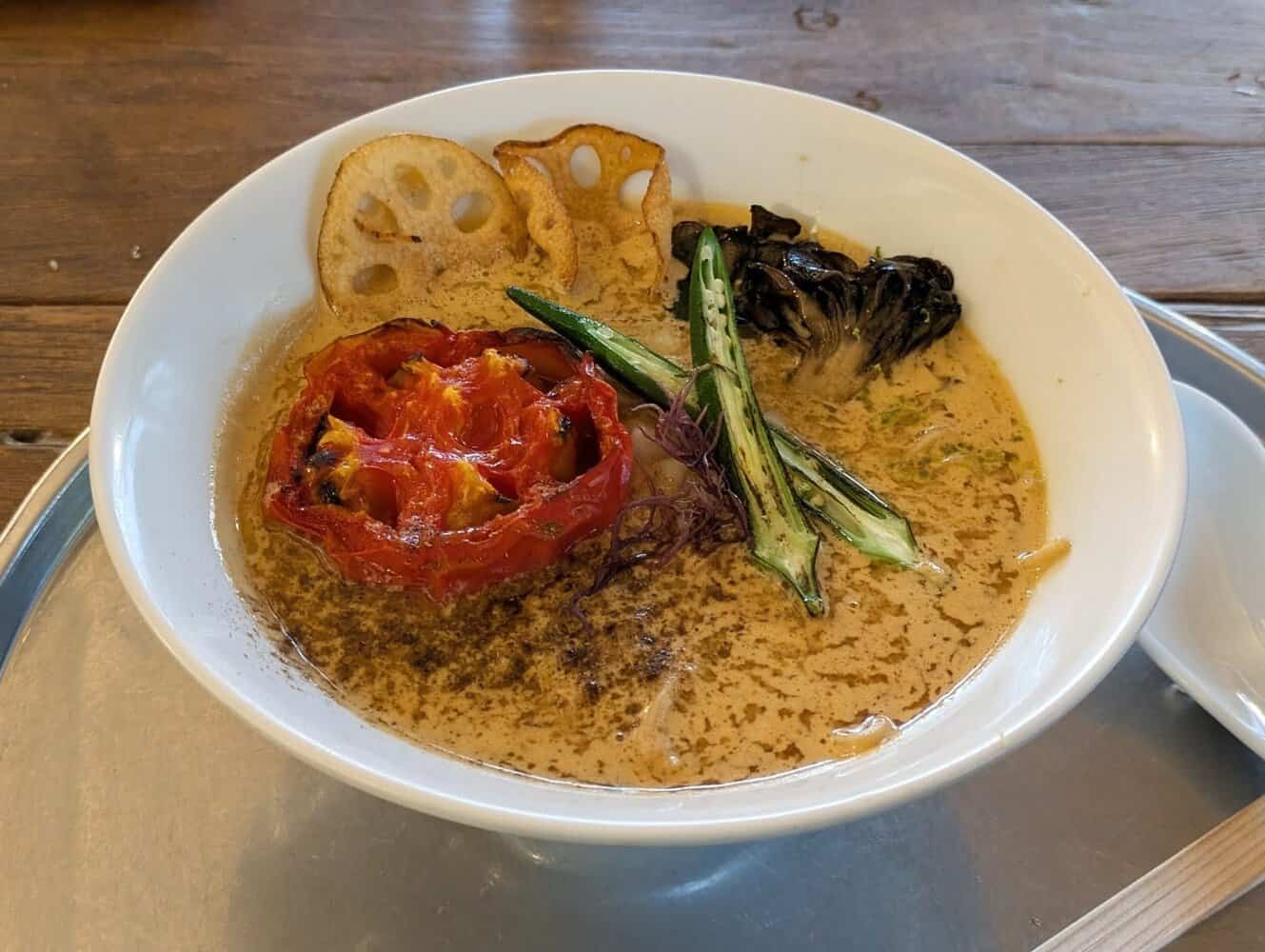
Fish/egg/chicken/pork etc. finds its way into almost every dish in some form or the other. The term vegetarian is not widely used or understood but Vegan is. There are standalone pure Vegan restaurants but scarce. But not everyone will like the Japanese vegan meal. I enjoyed it.
At the breakfast buffet in hotels, all dishes were normally labeled but contents are not known. An item marked as Corn soup or Udon noodles with vegetables may not actually be vegetarian. In some cases, only the allergen information was given. And the staff on duty were equally unsure and often had to check with the chef! Given the lack of choice outside, it is still better to choose room with breakfast.
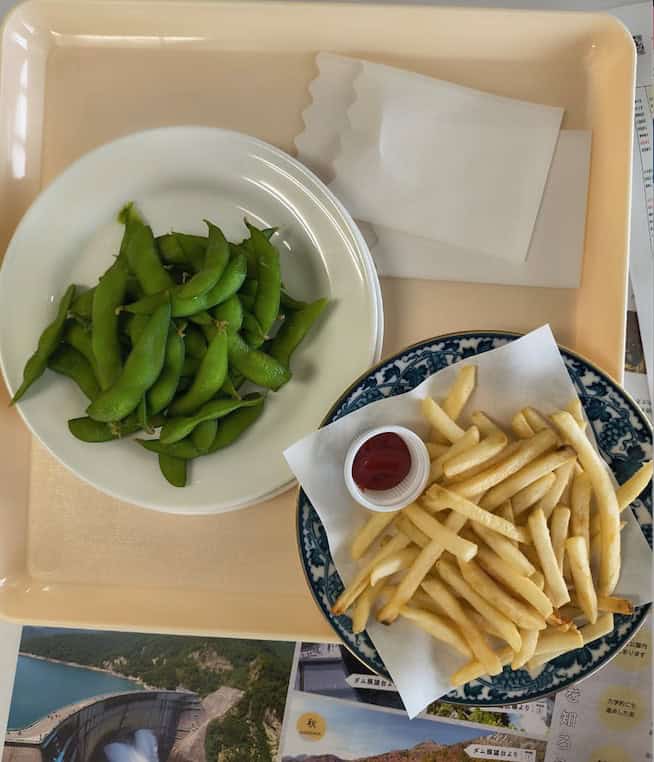
There were Indian /Vegan restaurants in all the towns I visited but I have had to skip lunch during day trips or while sightseeing. In Hakone once, my lunch was steamed sweet potato and on the Alpine route, French fries and boiled bean seeds! In restaurants, it was not easy to make the staff understand what kind of vegetarian/vegan meal I was looking for. I tried in a couple of restaurants but it went nowhere.
11. When to visit Japan?
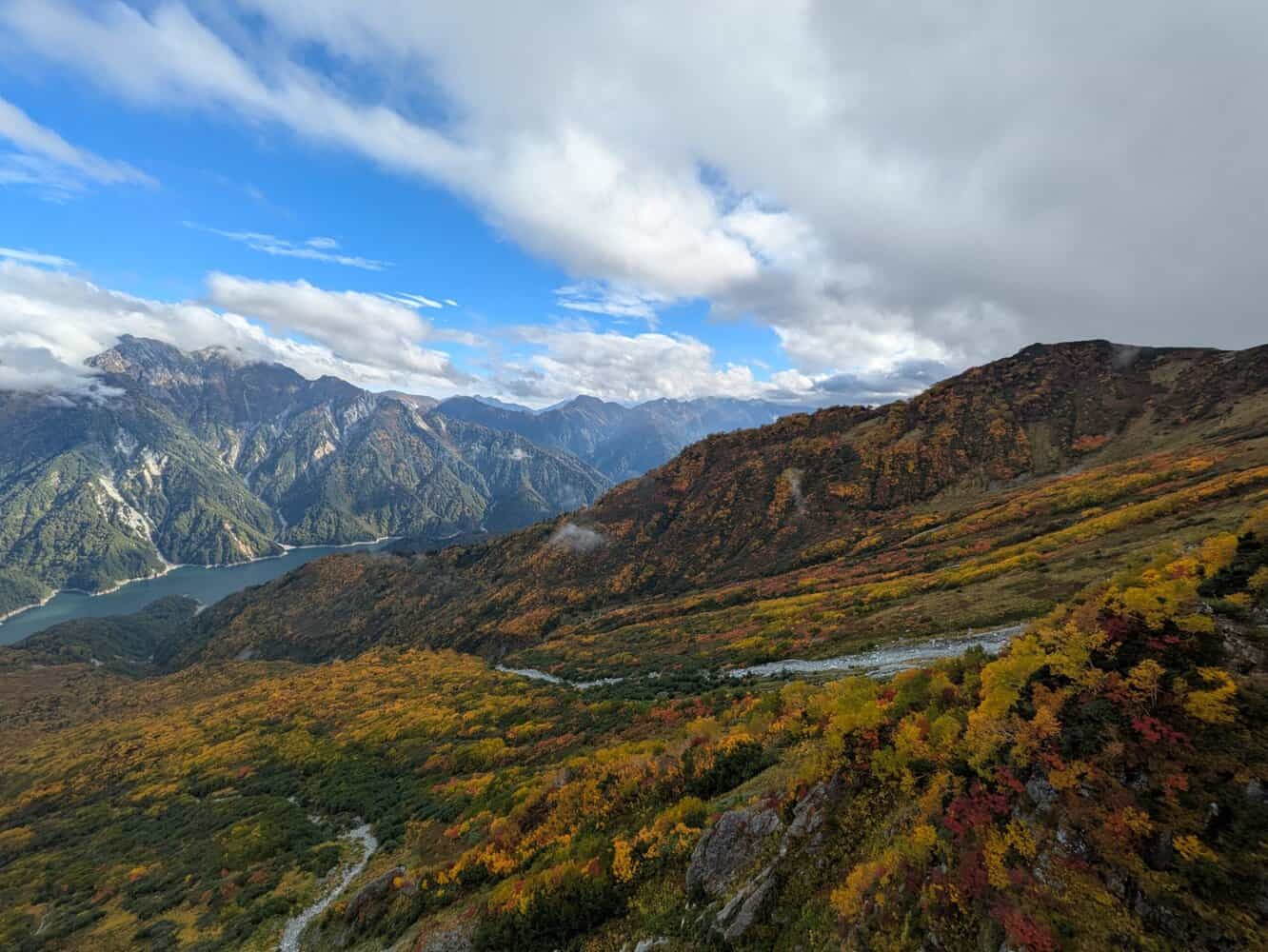
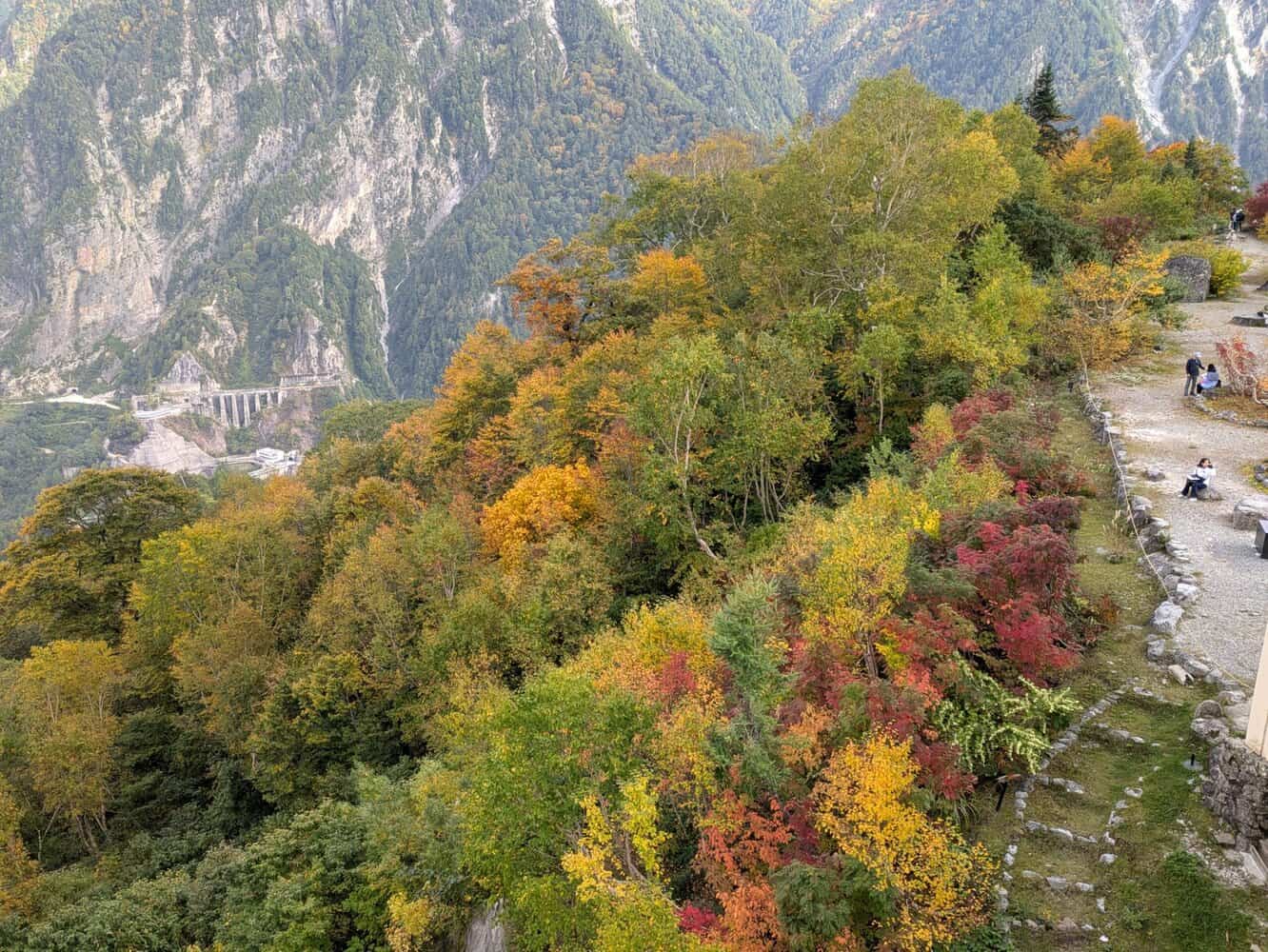
The busiest season is the cherry blossom season (mid March to April and possibly May) followed by autumn (mid September to November). When I visited in the first fortnight of October, the autumn colors were conspicuously visible only in the Alpine region. It is more expensive to travel in these 2 seasons but realistically, there is not much of a choice outside these 2 seasons.
The weather in the first week of October was fantastic and just right for sightseeing with temperatures in the broad range of 15° C to 21°C. Occasional light rain.
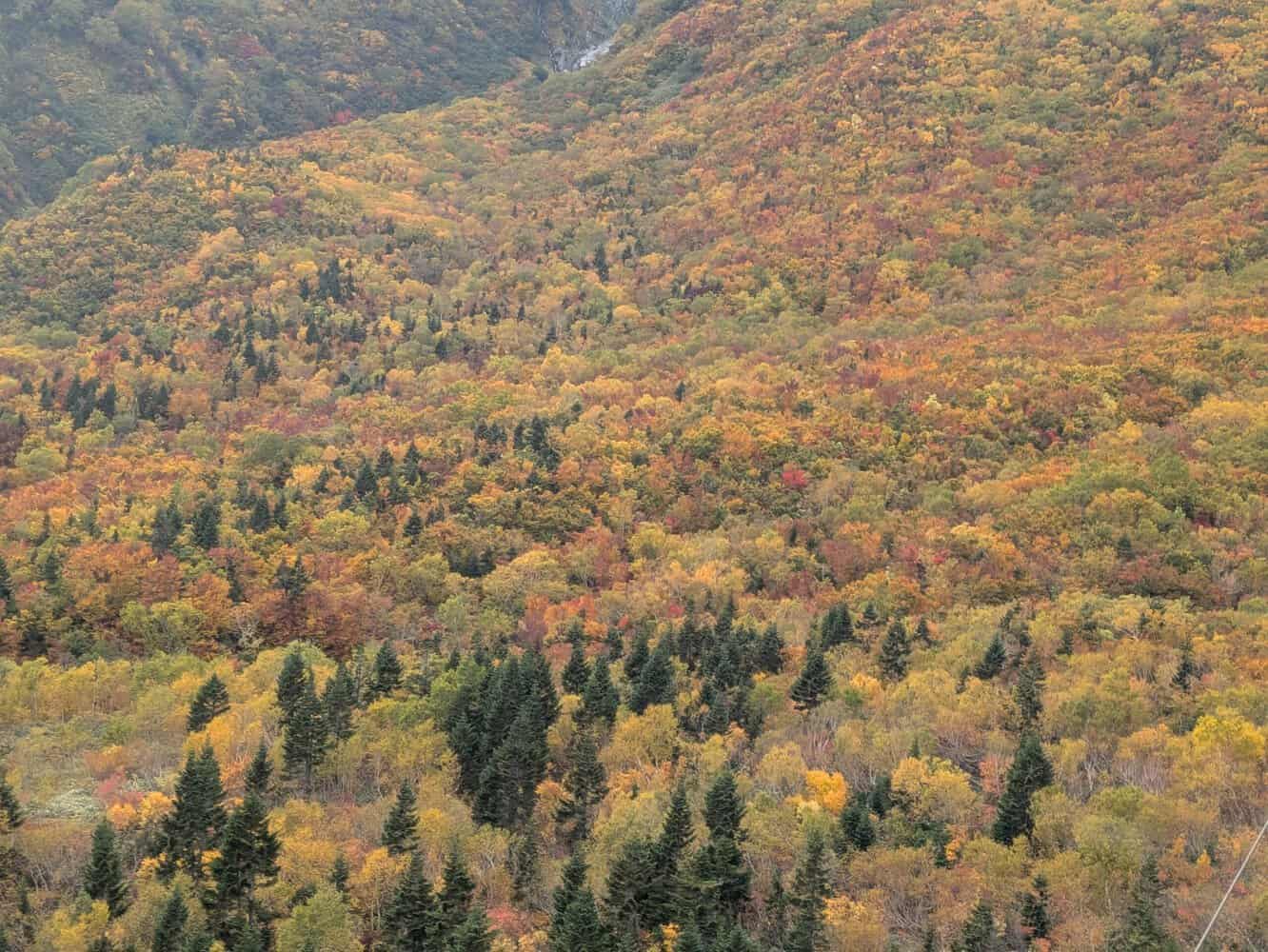
Summer months from June to September are hot with over 120mm of average rainfall monthly. It is also the typhoon season (August, September is peak) when a single typhoon can lock you indoors for couple for days or more. Southern regions bear the brunt but Tokyo and Osaka too are not immune. But if you are on a budget, summer and winter months, excluding last week of December, is worth considering. Just be prepared for disruptions and also possible closure of certain tourist attractions due to inclement weather.
Also check for major festivals and holiday season when locals tend to travel. As much as possible, avoid day trips to nearby popular places during weekends.
12. Shopping in Japan
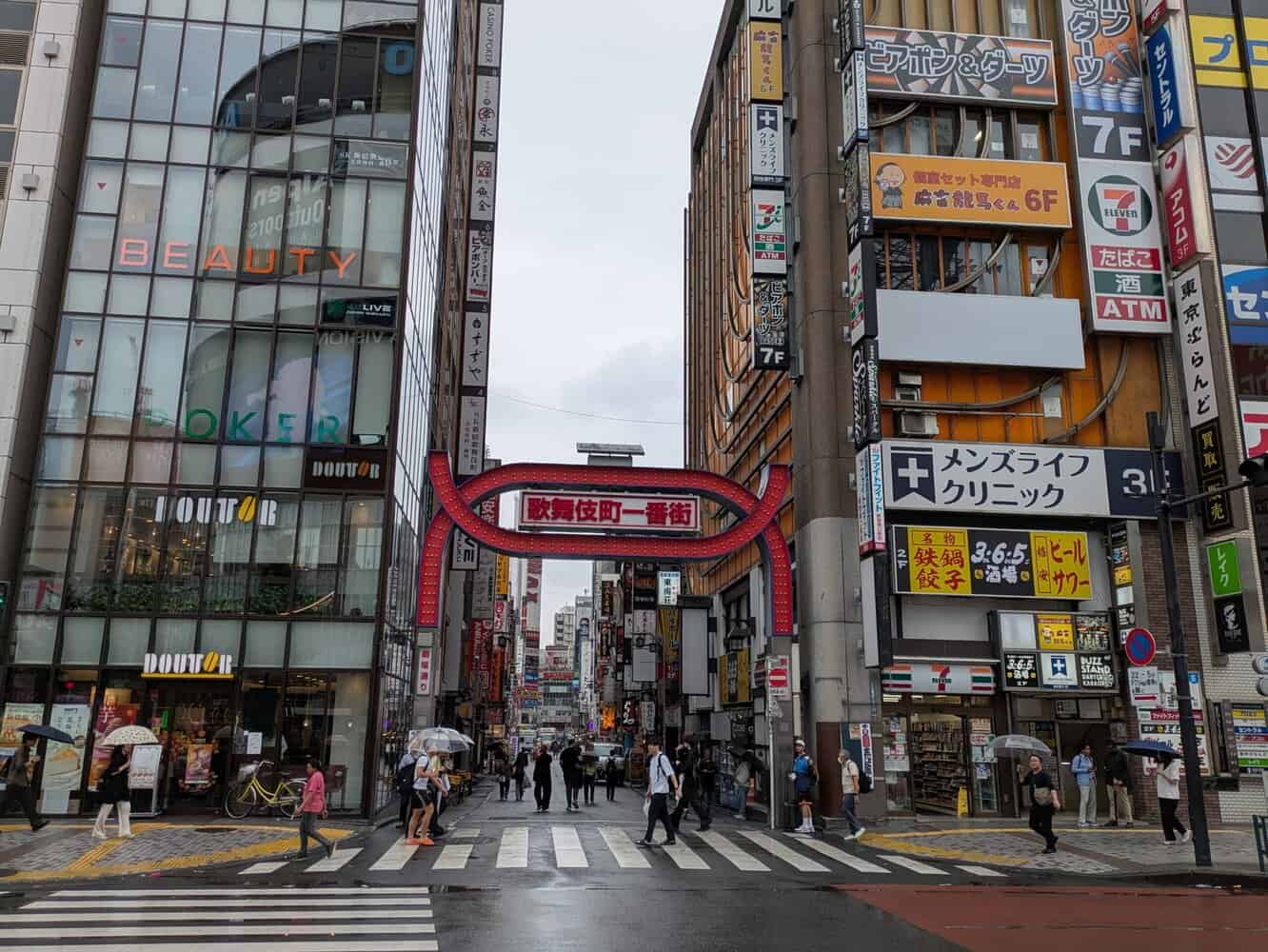
The impression I had was that Japan must be expensive for shopping. In some ways it is, but there are plenty of budget friendly choices in bags and luggage’s, shoes and apparel, courtesy imports from China and Vietnam among other countries. European and US brands too are available but most of them will fall into premium/luxury category. Local brands such Uniqlo offers apparel at prices lower than that in India while the famous shoe brand Onitsuka is not that budget friendly. If you get into malls, look for shops selling local brands. Otherwise, places like Shinjuku, Shibuya, Ginza have plenty of outlets. Uniqlo has its flagship store in Ginza.
On the streets leading to places of tourist attractions, especially the temples/shrines, there were generally plenty of shops selling a variety of stuff. Bit of bargaining is acceptable especially if you are buying more than one unit. Akihabara in Tokyo is famous for anime, manga and gaming but out of league for me!
Souvenirs include a variety of colorful dolls. Foodies can buy colorful Bento boxes, chopsticks, tea sets, matcha tea/chocolates, sake and so on. I did not check on electronics and watches but there are plenty of outlets selling these items.
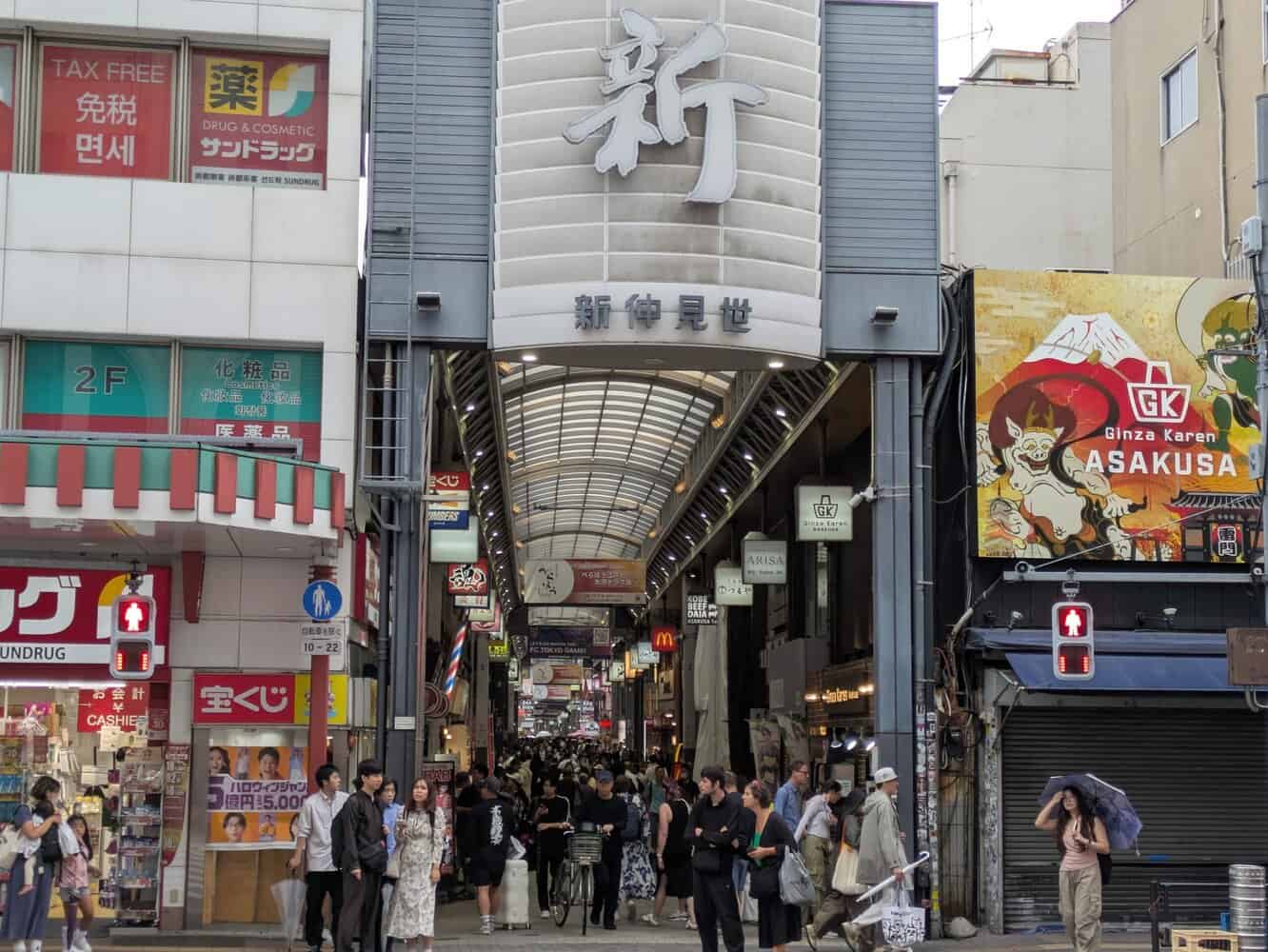
Tax free shopping is available for foreign tourists(not everywhere though) above a threshold(JPY 5K?) on production of original passport and visa.
Tokyo is best for shopping
Tokyo is the best place for shopping. Kyoto too has nice shopping arcades but not the variety that is available in Tokyo.
Narita Airport duty free was a bit of a disappointment. Mostly expensive branded stuff. One outlet selling local stuff was very crowded.
13. Cost of a vacation in Japan
Hotel rooms
I chose slightly bigger rooms than standard. I was keen to book the traditional Ryokans in Kyoto or Hakone but Kyoto was way too expensive. Hakone had reasonable options, but the package generally included Japanese style breakfast and dinner. So I opted for a Japanese western style room in a regular hotel. Per night cost per couple with breakfast was Tokyo ¥30k(Shinjuku), Kanazawa downtown ¥20k, Kyoto downtown ¥40k and Hakone Yumoto ¥51k. A total of ~¥475k or ¥34k per night. Equivalent to INR 20k per night. This sounds more reasonable. Could these be further economized? Absolutely.
Train/travel tickets/passes
Depending on the itinerary, the cost of travelling in Japan can be high. A ride by Shinkansen costs between ¥9k to ¥14k for a 3-4 hour journey. Shorter 1-2 hour journeys will still cost ~¥3k to ¥6k.
Hokuriku Arch Pass costs ¥30k per person. The 7 day JR Rail pass costs ¥50k per person. Both for ordinary car. Nikko World Heritage pass with limited express fares was relatively cheap at ~¥6k and so was the 2 day Hakone pass.
The Tateyama-Kurobe alpine route from Nagano train station to Dentetsu Toyoma train station cost ¥17k per person while Kyoto to Amanohashidate trip cost¥10k per person
Including Narita express and Romance car fares, I must have spent about ¥90k per person.
Local commute, entrance fee etc.
Local commute is relatively cheap, with or without the pass. Except few shrines and temples, there is an entry fee pretty much everywhere, normally around ¥300-500 but higher is certain places. Discretionary events or tours will cost much more such as Sumo wrestling tours(¥10k +), TeamLab Planets(¥4600), tea ceremonies and geisha performances(¥5k or more). Overall, the budget can easily stretch beyond ¥25k.
Vegetarian food
A vegetarian meal for two at an Indian restaurant cost an average of ¥4k-¥6k. Lower elsewhere because of limited options. At Taco Bell or Subway, one can manage with ¥3k per couple. Beverages(from coffee to beer) are ~¥500 or so.
My total spend
The 15 days I spent in Japan cost me ~INR 900k(¥1.5m) for a couple, including premium economy return tickets on Japan Airlines from Bengaluru. I got an upgrade on the onward flight and that made the overall experience more special. Excluding the airline ticket, I spent about INR 6.6 lakhs(¥1.1m), roughly INR 47k per night. Hotels cost an average of INR 20k per night. I am sure I would have saved more on hotel stays had I booked couple of months earlier. As it is, I only booked a month in advance.
Here is a broad breakup:
- Hotels – INR 280k
- Transport/passes other than local – INR 180k
- Food/beverages – INR 100k
- Shopping – INR 65k
- Others – INR 35k
There is a perception in India that Japan is an expensive destination to visit. Not really true. When I consider the current costs of travelling in the United States or Western Europe, Japan is relatively cheap.
14. Few other observations
- Waste bins are scarce and I have often carried trash back to the hotel. Roads and footpaths were very clean everywhere I visited.
- Silence is golden. Loud talking is frowned upon in trains, metros, buses and generally in pubic places. On some of the Shinkansen, I noticed special cubicles near the doors and outside the seating area for mobile phone conversations! As expected, everywhere, it is the tourists who talked loudly!
- The Q system needs to be respected. Japanese patiently stand in Queues everywhere, awaiting their turn.
- Tips are generally not expected at all. I avoided leaving small change behind and paid the exact invoice amount by card. Only in couple of restaurants, I left a tip as the service was excellent.
- Data connection is a must. As always, I chose the international roaming pack offered by Airtel.
- Rain jacket was required. Light rain in Tokyo on couple of days and heavy rain one evening in Kanazawa. I could still move around as I had a rain jacket.
15. Cash is a must
There were few occasions when only cash was accepted. 100 INR is about 60 JPY. Cash was required to pay entrance fee at few attractions, load/top up suica card, for purchases from smaller outlets, few restaurants and so on. I withdrew ¥50k through forex card and converted another USD 200(¥32k) and it all got spent!
16. Tourist visa for Indian passport holders
There was no online option and I had to physically submit the application form with supporting documents at the VFS office in Bengaluru. Due to the rush, there was a wait period of 45 minutes and even after submitting the application, it took over an hour to receive an acknowledgement. The visa fee was only INR 450 for both single and multiple entries but with VFS fees and courier charges, I paid INR1.8k per application. VFS only accepts payment in cash or by UPI.
Although I had applied for single entry visa, I received a multiple entry visa(physical sticker and not eVisa) valid for 3 years. Got the passport with visa back within 10 days of application.
17. What else?
Google translate is a must. For Vegan/vegetarian restaurant options, I downloaded ‘Happy Cow’ but the results were not much different from doing a generic search on google.
Carry original passport with visa (or eVisa if issued) in person. This is required for identification (e.g. when tickets are checked on a train), for collecting rail pass, getting tax refunds while shopping, hotel check-ins and so on. Copies won’t do. I also read that foreign tourists are legally required to carry in person the original passport at all times in Japan.
18. Finally, is Japan a must visit destination?
Absolutely. Japan is where traditions and modernity are so well intertwined. From glassy skyscrapers and dazzling neon lights in Tokyo to the traditional rituals at the shrines and temples, the unspoilt Geisha districts with traditional tea ceremonies, sleeping on futon beds, eating a vegan meal out of Bento box with chopsticks, the hi-tech ‘TOTO’ make toilets with a number of automated features including seat warmer and bidet, the matcha indulgence, having a Sake at quaint looking small bars(called Izakayas) or a cluster of tiny bars in narrow alleys like Golden Gai in Shinjuku(Tokyo), stepping into the futuristic Shinkansen and watching the countryside race by, the ubiquitous vending machines dispensing beverages, desserts, ice creams, hot meals and what not, the rejuvenating Onsens, the brilliant autumn colors on the alpine route and the stunning beauty of Amanohashidate. And this is not all.
Combine the above with personalised hospitality and super efficient transport network, it is not difficult to see why I would be eager to return to Japan.
For more information
https://www.japan.travel/en/in
Related posts(pending)
Tokyo 5 day itinerary
Nikko day trip from Tokyo
What to do in Kyoto over 4 days
Amanohashidate day trip from Kyoto
3 days in Hakone