
Kyoto was the capital of Imperial Japan for over thousand years until 1868 CE. Given its historical and cultural significance, it finds a place in most of the standard itineraries of international tourists visiting Japan. What is less known is that Kyoto is home to 17 UNESCO heritage sites and over 2000 temples and shrines. With the exception of Nijo castle, the rest of 16 sites are either temples or shrines.
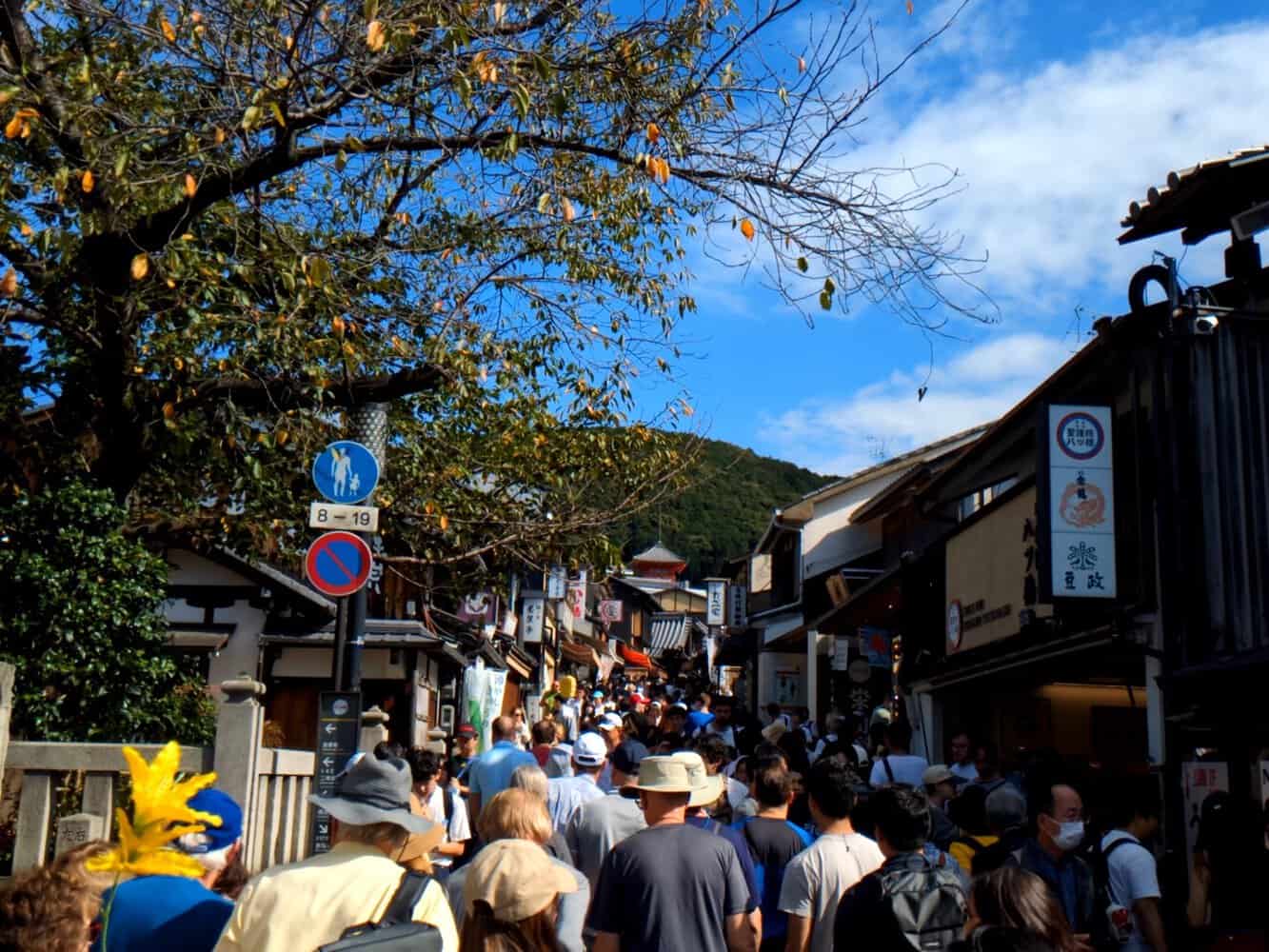
With a population of ~2.5 million, Kyoto is not really a big city but it welcomed over 55 million domestic and international visitors in 2024. No wonder Kyoto is visibly very crowded, especially during the Sakura and Fall seasons. Most of the places I visited was swarming with people. The narrow lane that leads to Kiyamizu-Dera Temple was so crowded it reminded me of the jostling that happens at most of India’s famous temples.
Overall a bit disappointing though
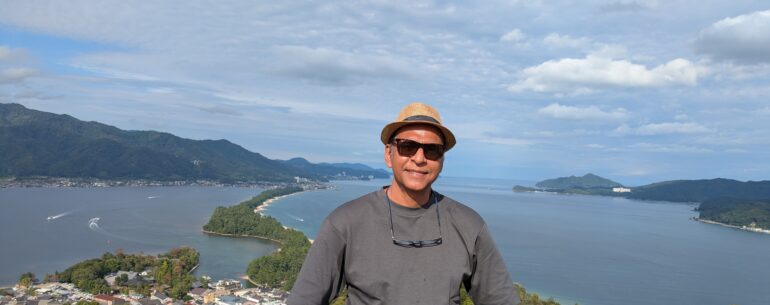
Somehow, I was actually disappointed with Kyoto. Was it the crowds, lack of novelty or high expectations, it is hard to pinpoint. More likely a combination of all these factors. Or maybe I am beginning to be more at ease amidst nature rather than towns and cities. Which is why I loved the day trip to Amanohashidate.
Getting to Kyoto
The nearest international airport is Osaka’s Kansai International Airport which is ~100 kms and 90 minutes away by direct train. The Osaka International airport is much closer but it serves only domestic flights. If landing in Tokyo, one can take a connecting flight. Another good option is Nozomi Shinkansen that takes just 2 hours and 15 minutes to get to Kyoto from Tokyo.
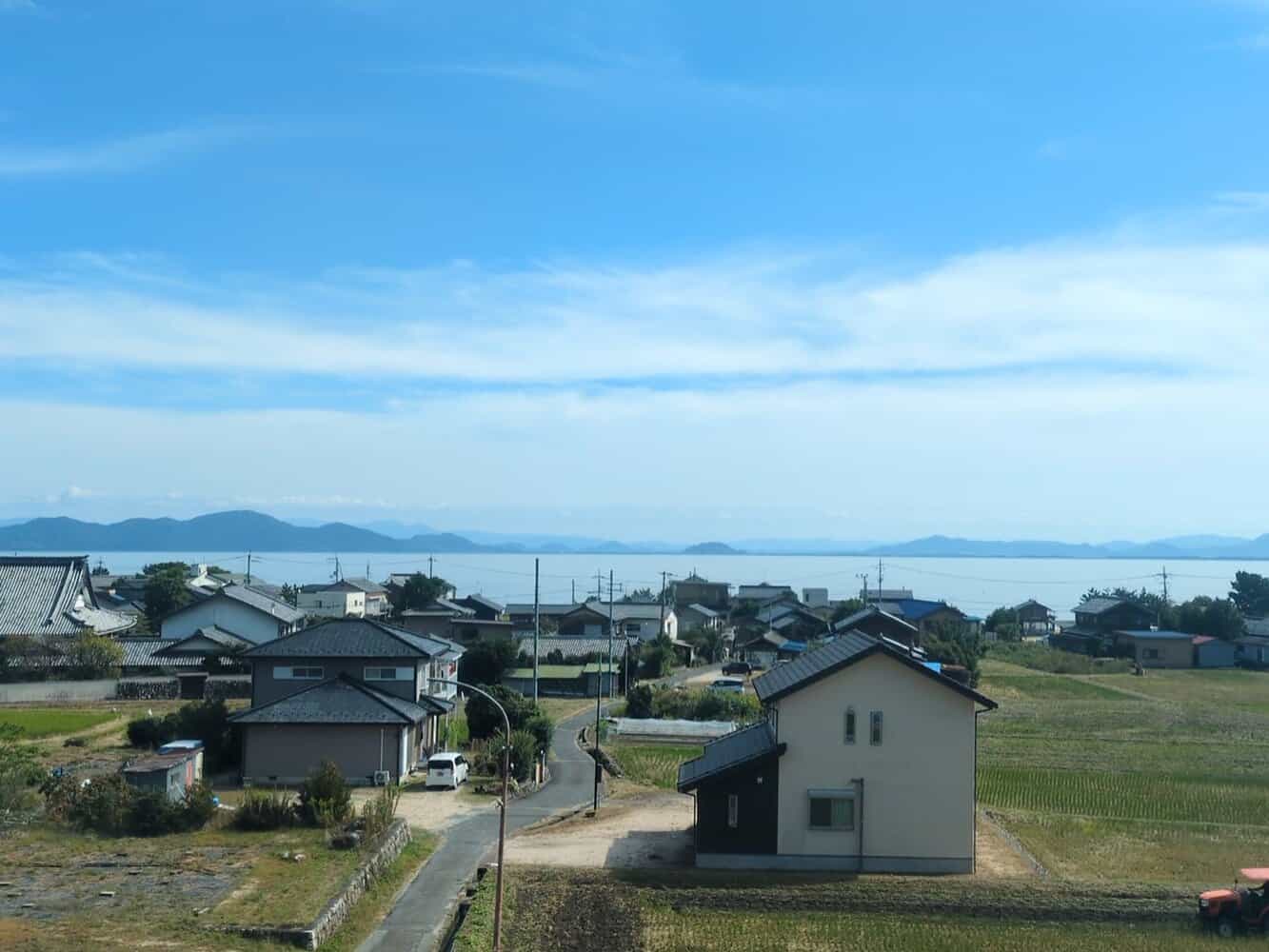
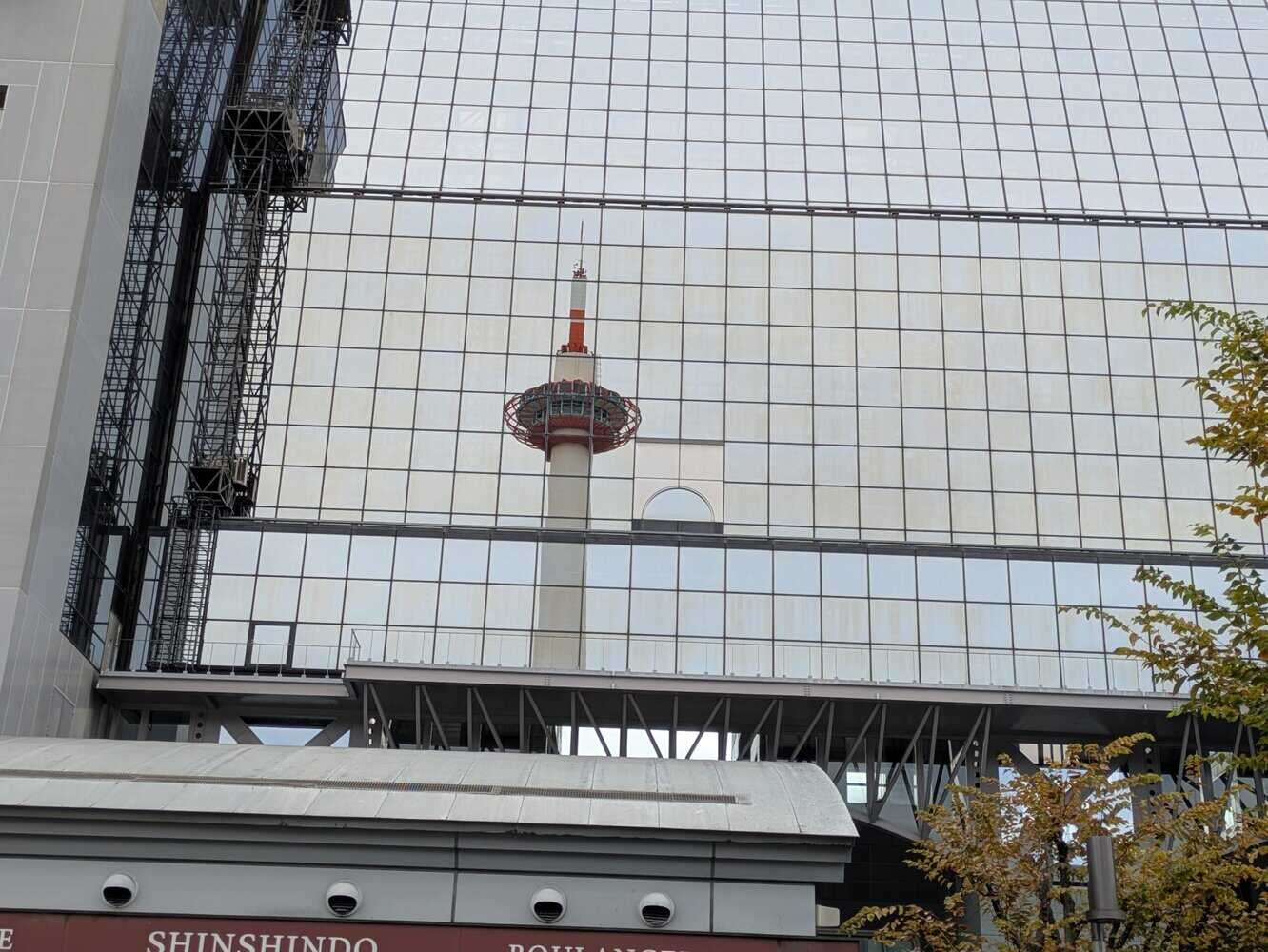
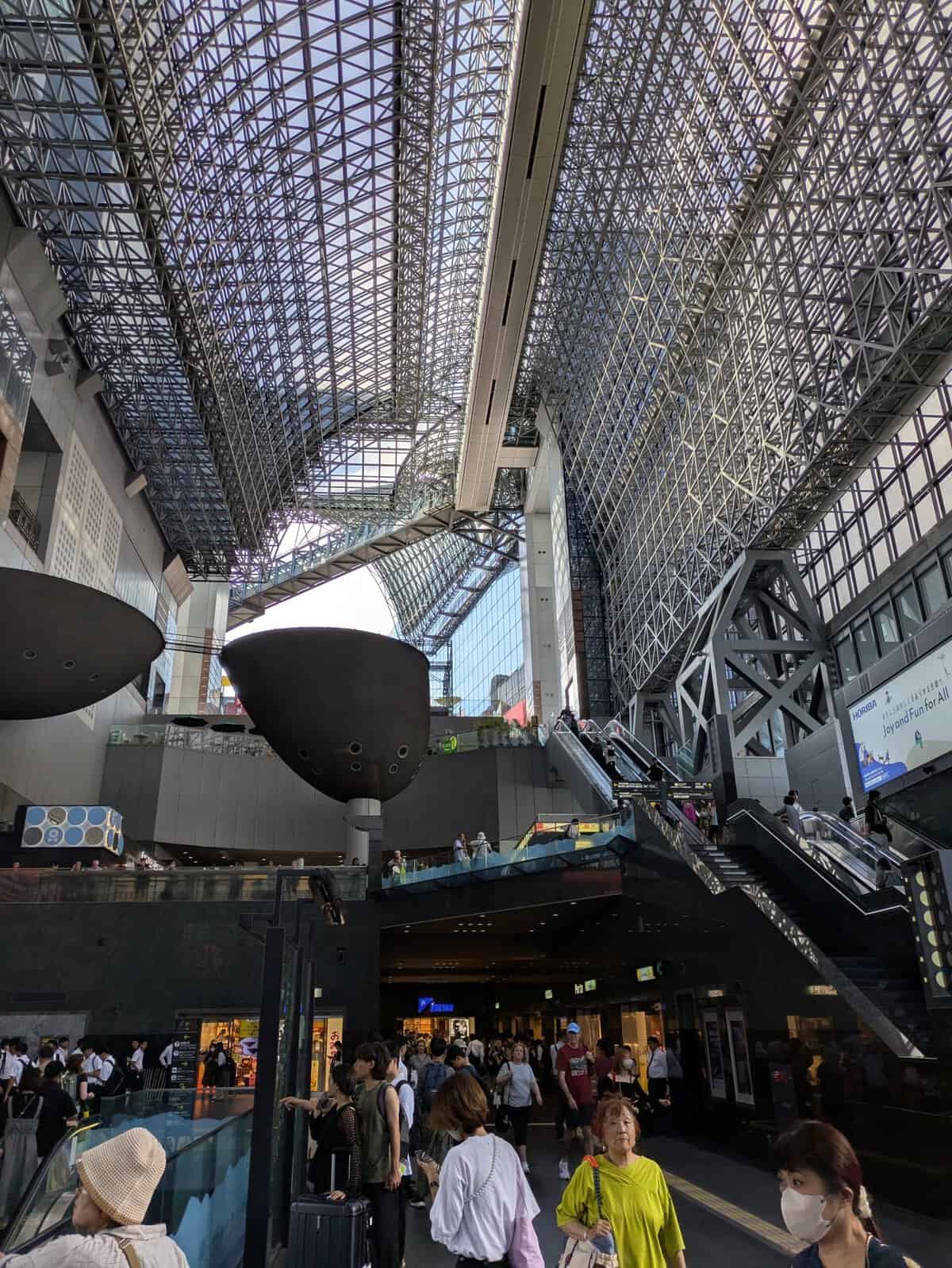
I travelled to Kyoto from Kanazawa that required one change of train at Tsuruga. The actual journey time by the fastest trains on this route is about 100 minutes, plus the wait time at Tsuruga. The journey was fully covered by my Hokuriku Arch Pass. A major portion of the railway track passes by the scenic Lake Biwa. Kyoto station is quite attractive with a huge and a bit futuristic atrium. The Kyoto Tower is located right outside the station.
Foreigner friendly taxis at Kyoto station
Couple of interesting observations – one, there is a separate queue for taxis with English speaking drivers. But every traveller headed to the regular taxi line. Not sure why! Second, taxi doors close automatically. No need to close the doors manually, like I was trying to before the driver intervened! I wonder why I did not notice this in Tokyo or Kanazawa? The short ride to my hotel in Sanjo cost ¥1.5k which I paid in cash.
What to do in Kyoto
There is long list of things to do in Kyoto and as expected, many of them are temples and shrines. This is what I did over 4 nights in Kyoto.
Day 1 – Afternoon arrival, Gion district and Pontocho;
Day 2 – Arashiyama and Fushimi-Inari, both via Kyoto station;
Day 3 – Day trip to Amanohashidate;
Day 4 – Kinkaku-ji and Kiyomizu-Dera temples, shopping near Kyoto station;
Day 5 – Morning departure.
It does take time to move around Kyoto by public transport. In hindsight, Day 2 and Day 4 could have been better planned given the distances covered.
1. Gion district
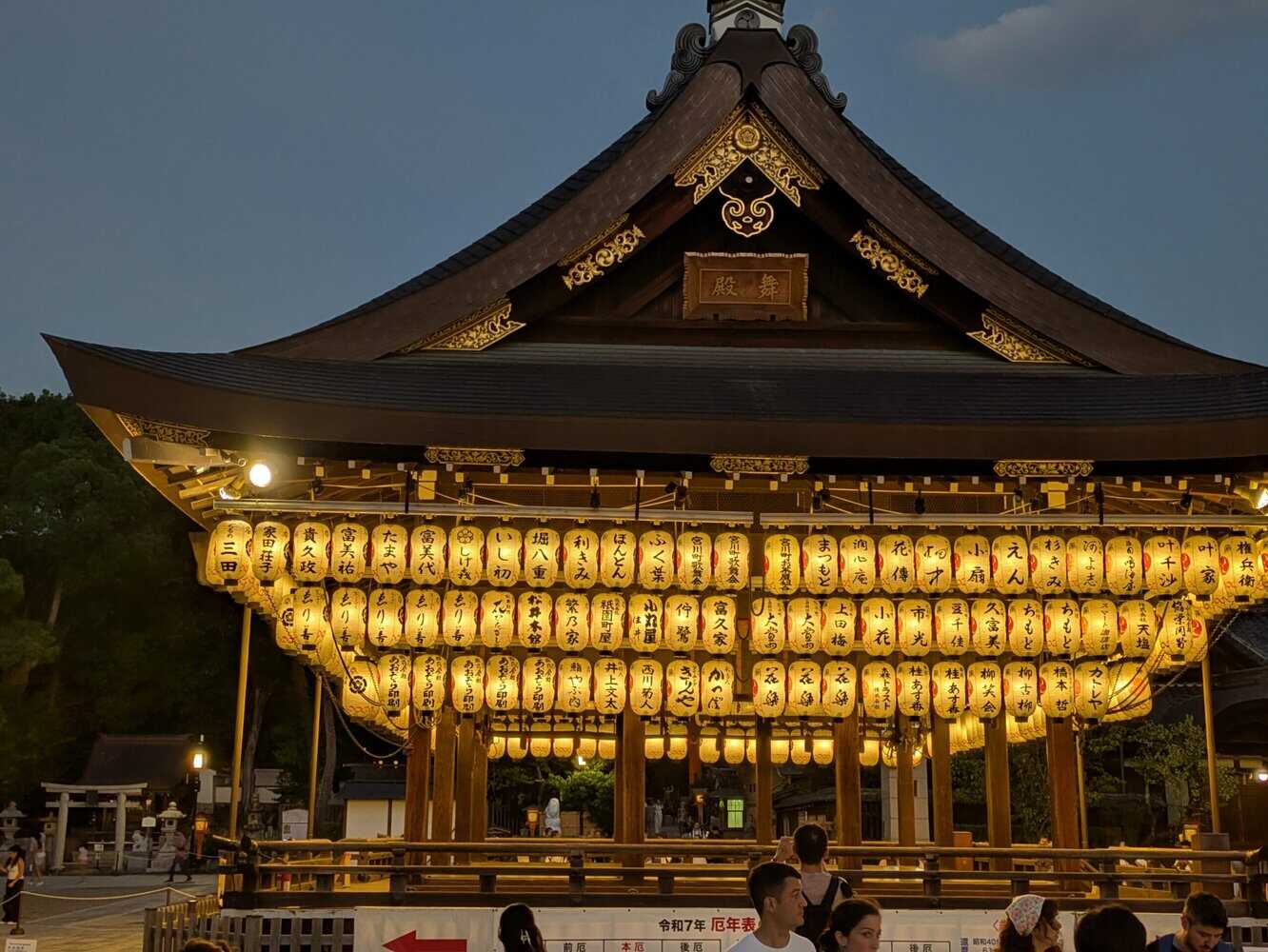
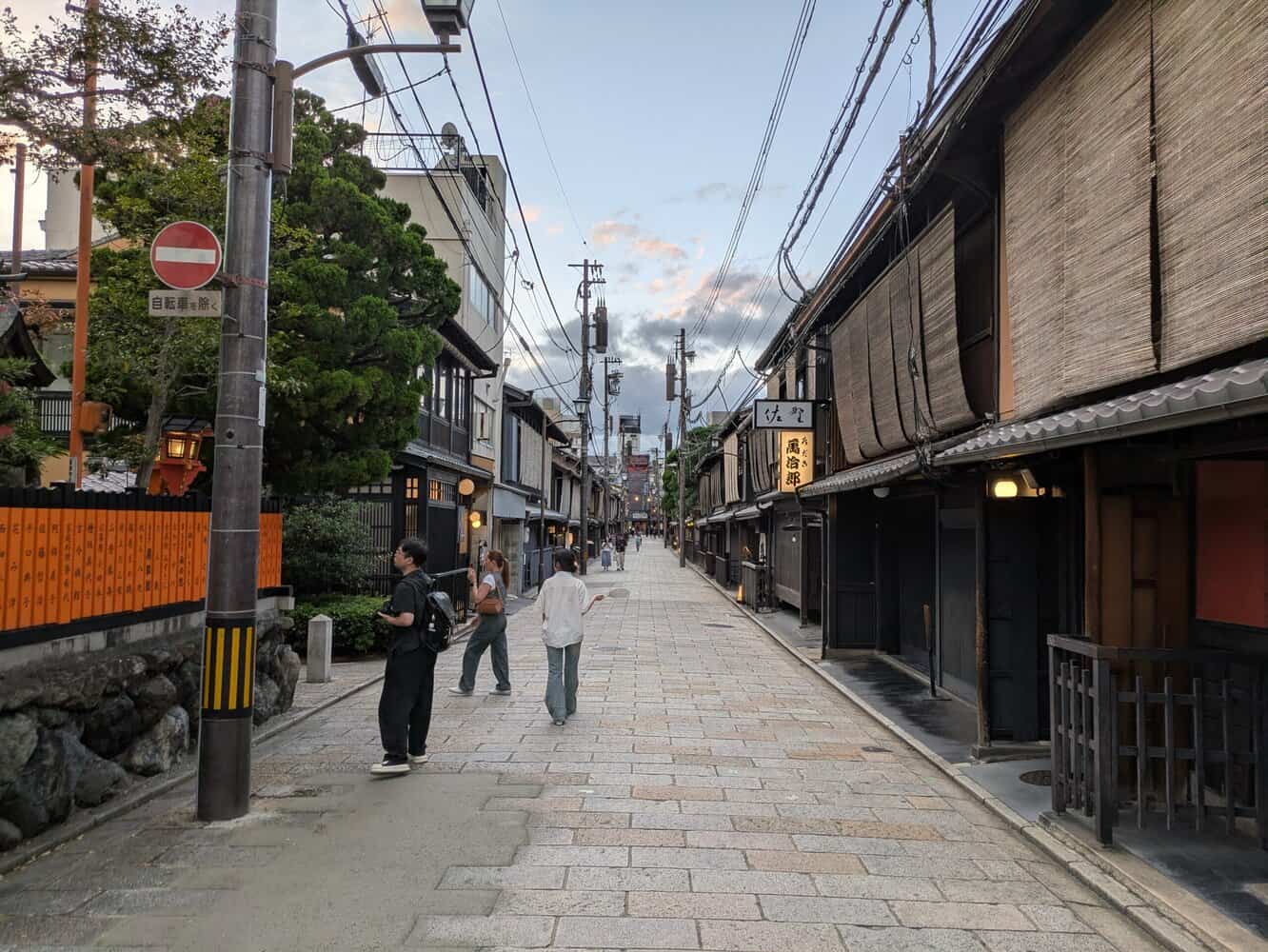
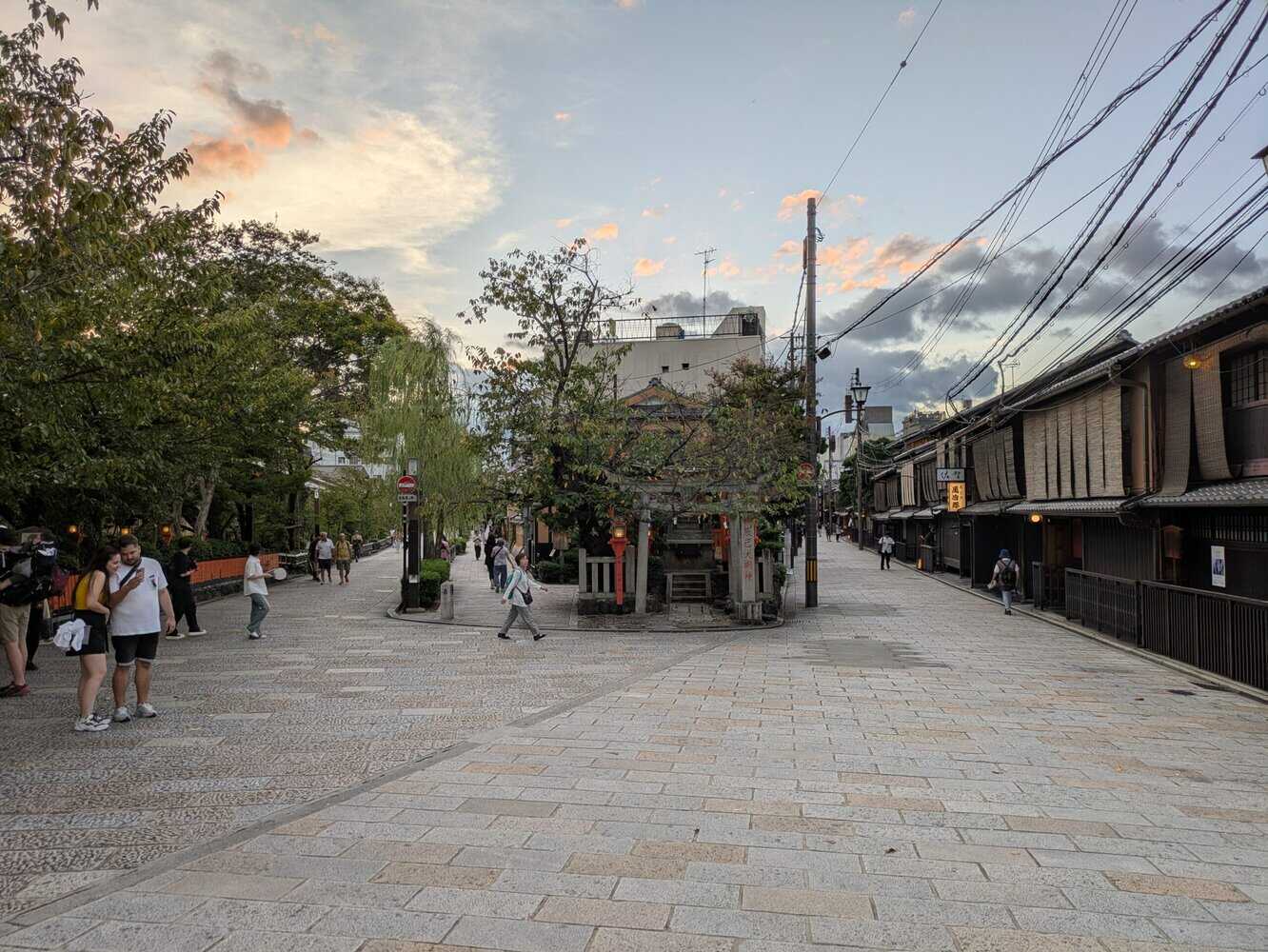
The most famous Geisha district of Kyoto is quite impressive. The traditional wooden buildings, teahouses and geisha performances provide a rare glimpse into old Japan. Key attractions of Gion district include Shirakawa which is a very picturesque area(everyone takes a selfie on the small wooden bridge), Yasaka–Jinja shrine which is famous for its lanterns but was very crowded when I visited, Hanamikoji street with its exclusive tea houses, Gion corner where cultural shows lasting 50 minutes are held, and Kennin-ji temple which is a Zen temple.
Experience Tea ceremonies and cultural performances in Gion
Gion is nice place (but not the only place in Kyoto) to enjoy the tea ceremony and Geisha/cultural performances. Advance bookings are usually required. While I was not interested in tea ceremony, I had purchased the Gion Corner tickets online but could not make it to the venue in time! That’s ¥11k down the drain for two of us!
This is another website I explored for Geisha and other experiences.
Gion is best explored by walk
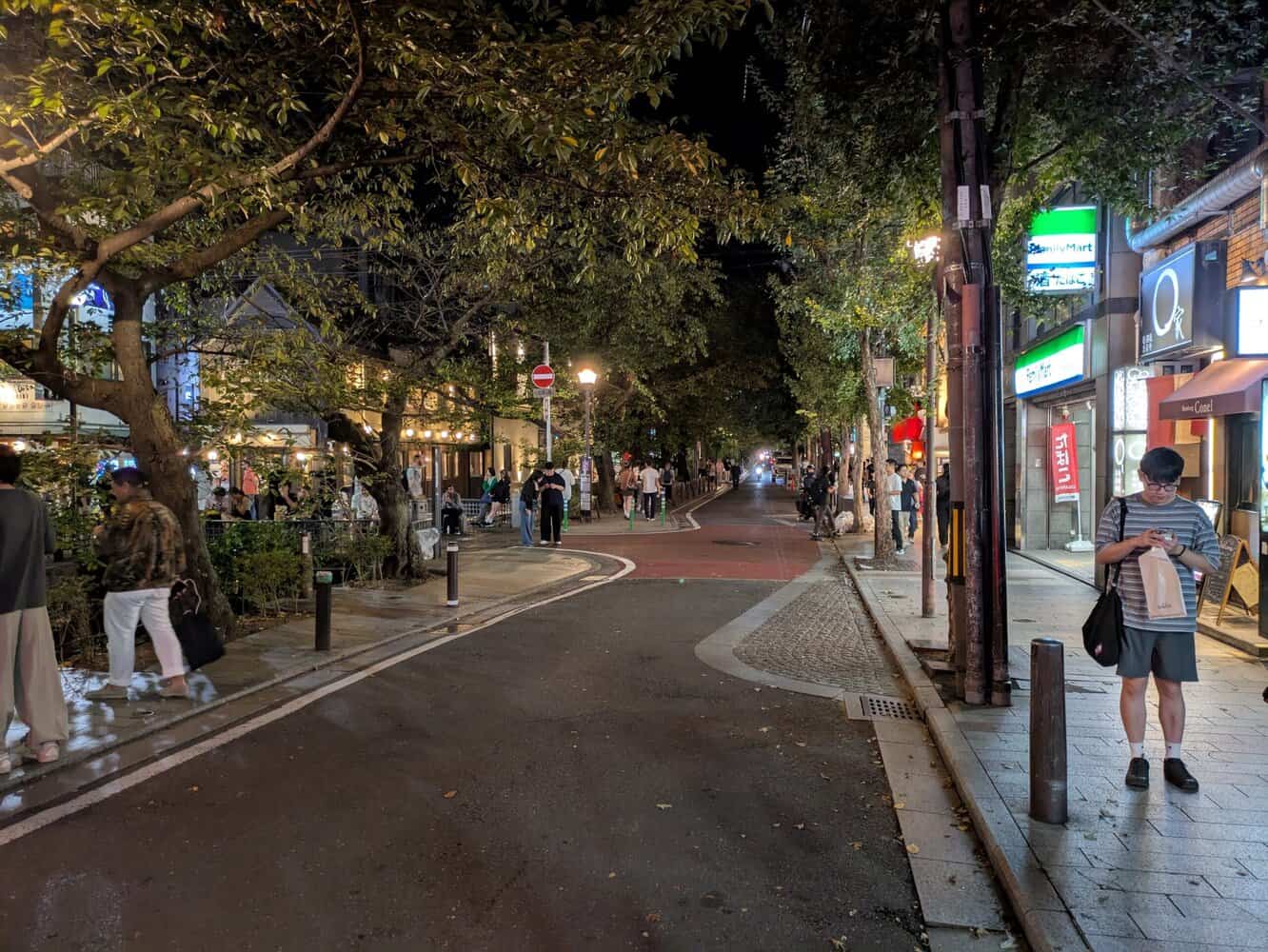
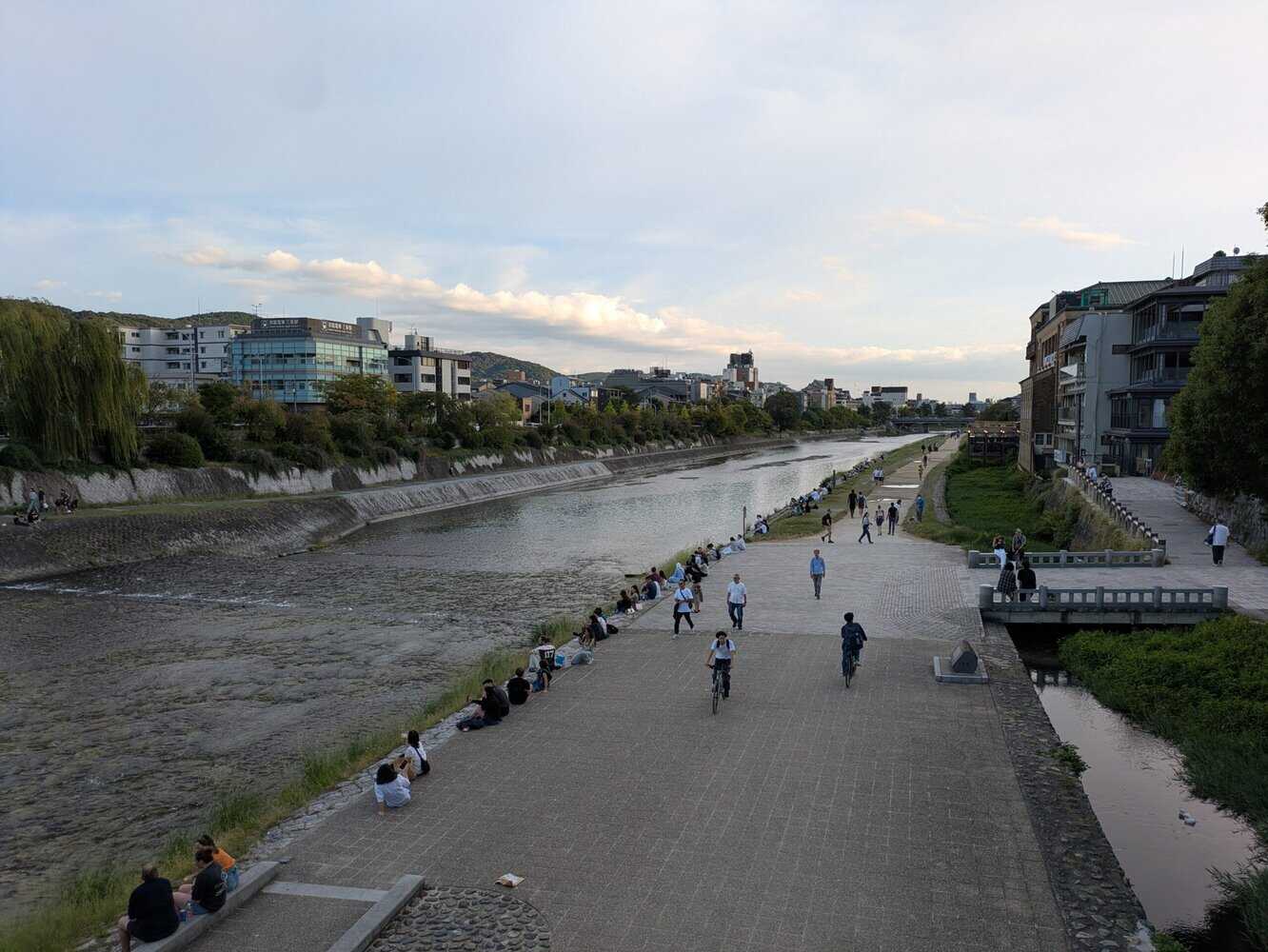
Gion district is very walkable. From Gion district, I crossed the Kamo river to Pontocho Alley which is also a Geisha area. Running parallel to the river from Shijo-Dori to Sanjo-Dori, this narrow alley is filled with small restaurants and teahouses, few of them with outdoor seating facing the river. Pontocho Alley is a premier nightlife spot of Kyoto and it was very lively, with people also enjoying drinks/food outdoors on benches next to a small canal.
Afternoon/Evening is the best time to visit Gion district. Take a guided walking tour or simply download one of the many walking maps available online.
2. Arashiyama bamboo forest
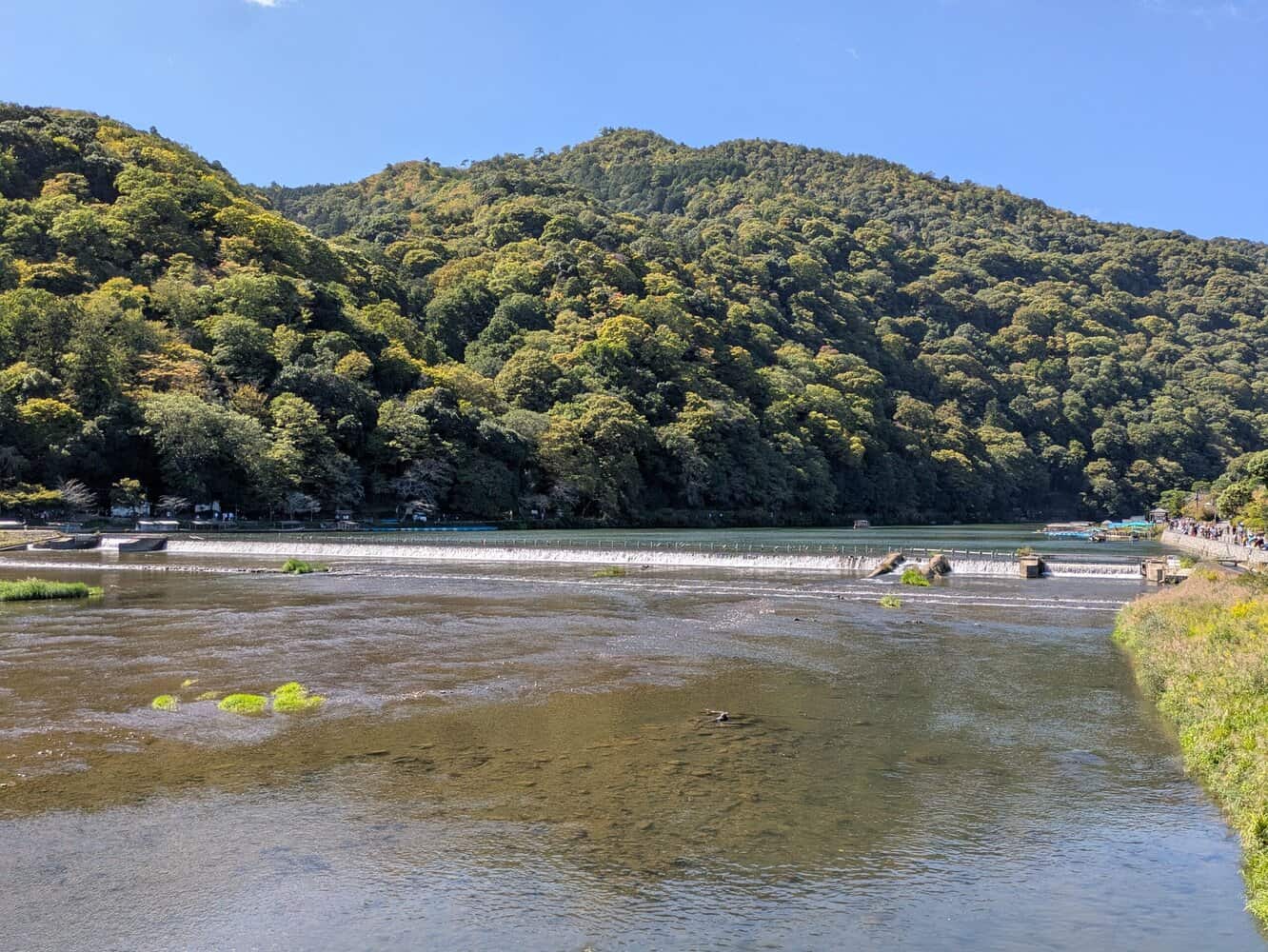
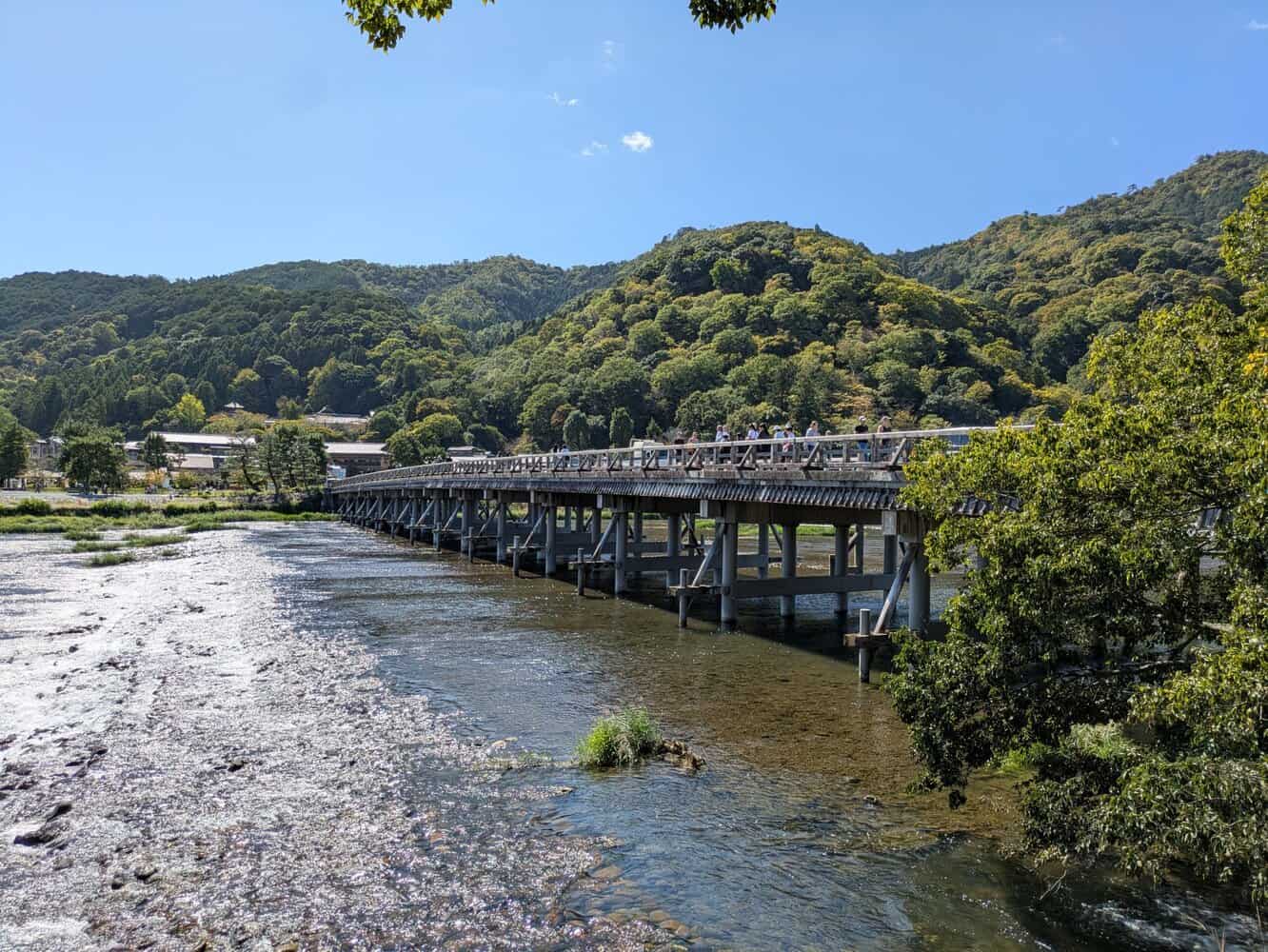
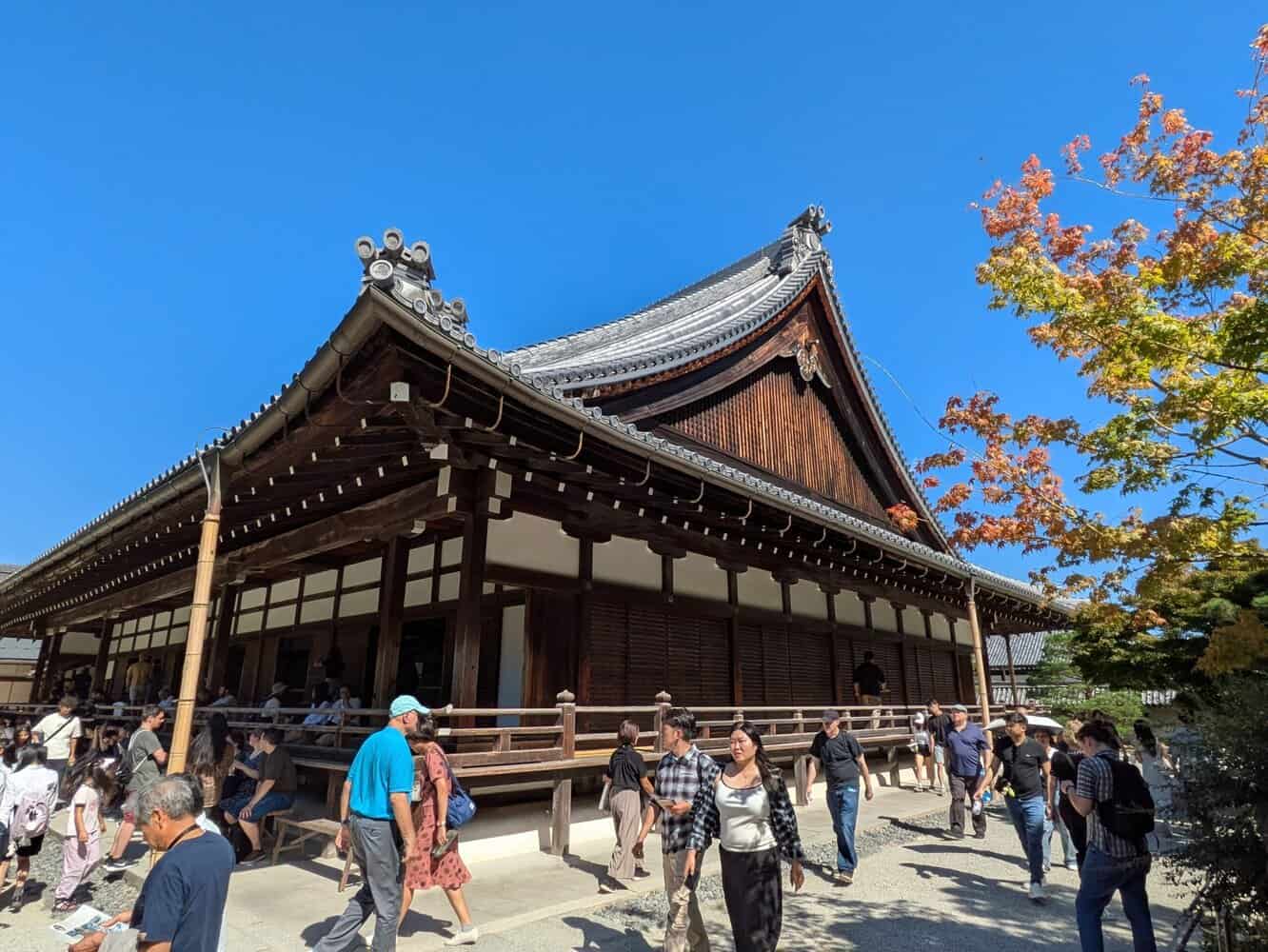
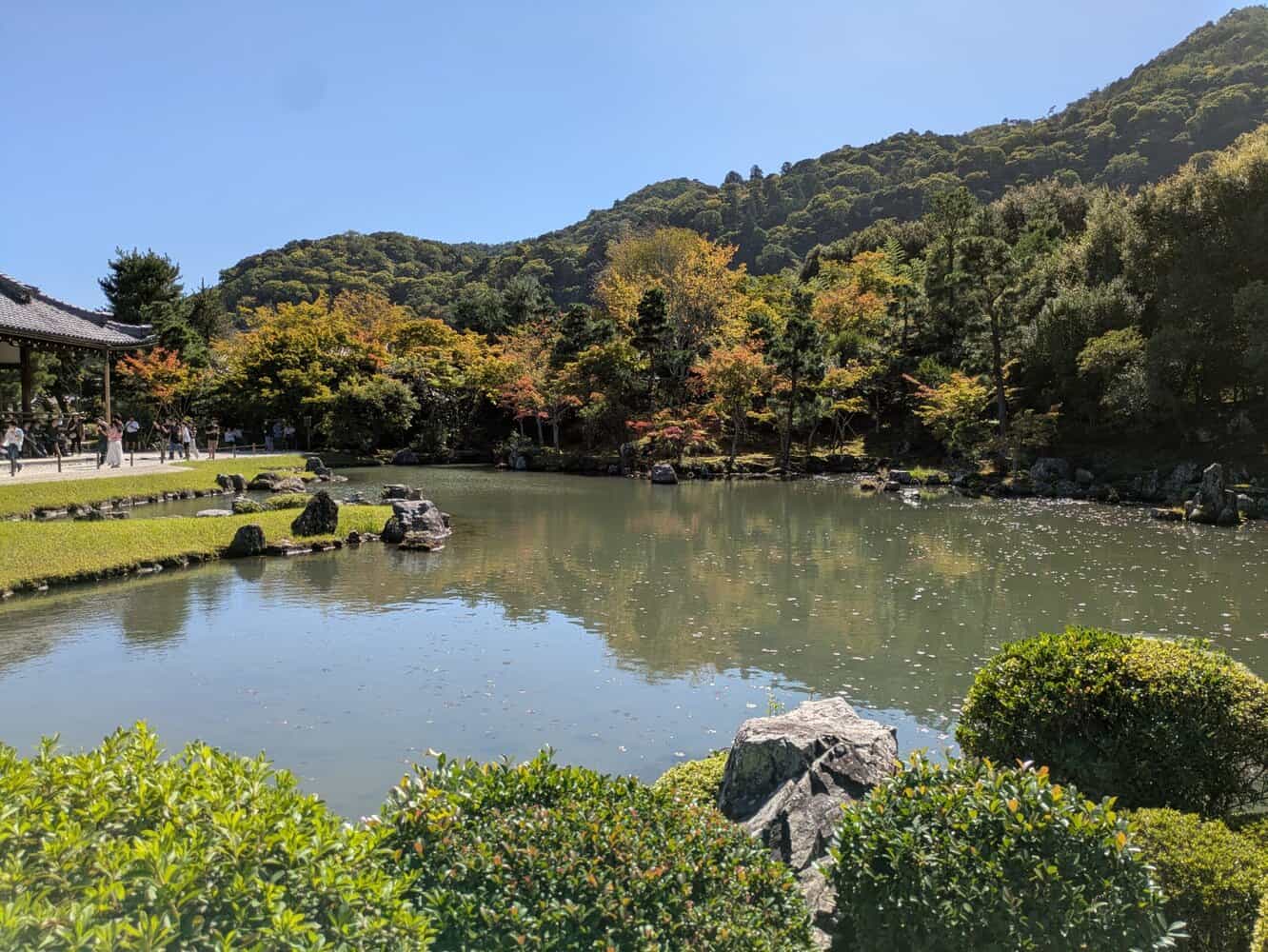
There is plenty of walking required here. From the JR train station(Saga-Arashiyama) to the river front and the ancient Togetsukyo bridge, onto Tenryu-ji temple( UNESCO heritage site) and then to the bamboo forest before heading back to the JR train station. Time permitting, one can opt for the Sagano scenic train ride and/or boating The foliage would be lovely to watch during the peak Sakura or Fall season.
Vegan meal options available
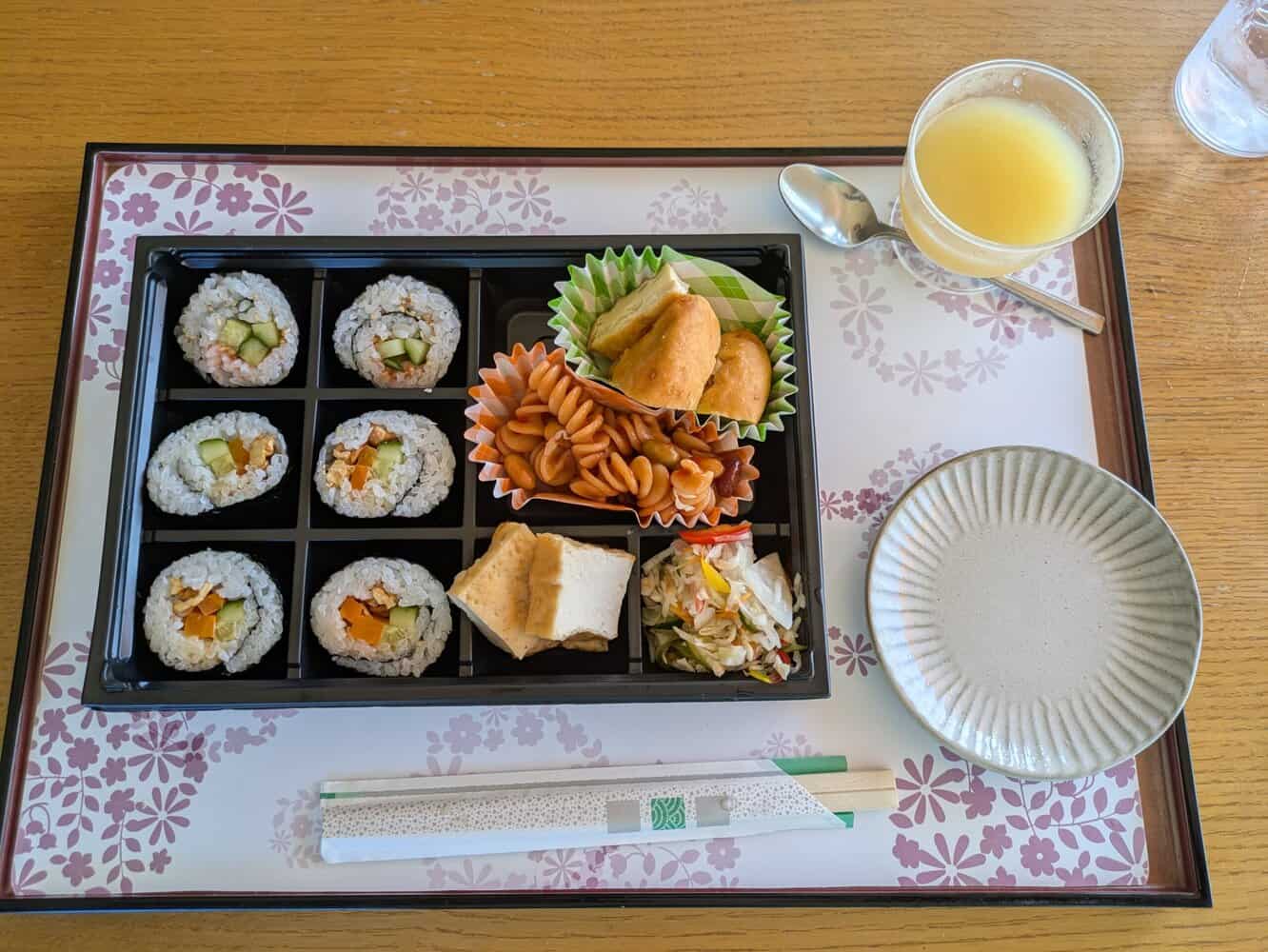
From JR station to the riverfront, there are plenty of cafes, restaurants and shops. Thankfully, I spotted couple of vegan only restaurants close to the train station and had a vegan Japanese lunch at M’s Bento that was very fresh and good. Cost ~¥ 1200 or so per plate. There is another ‘Michelin star’ rated one inside Tenryu-ji temple that costs a lot more but provides more variety.
Not impressive when crowded
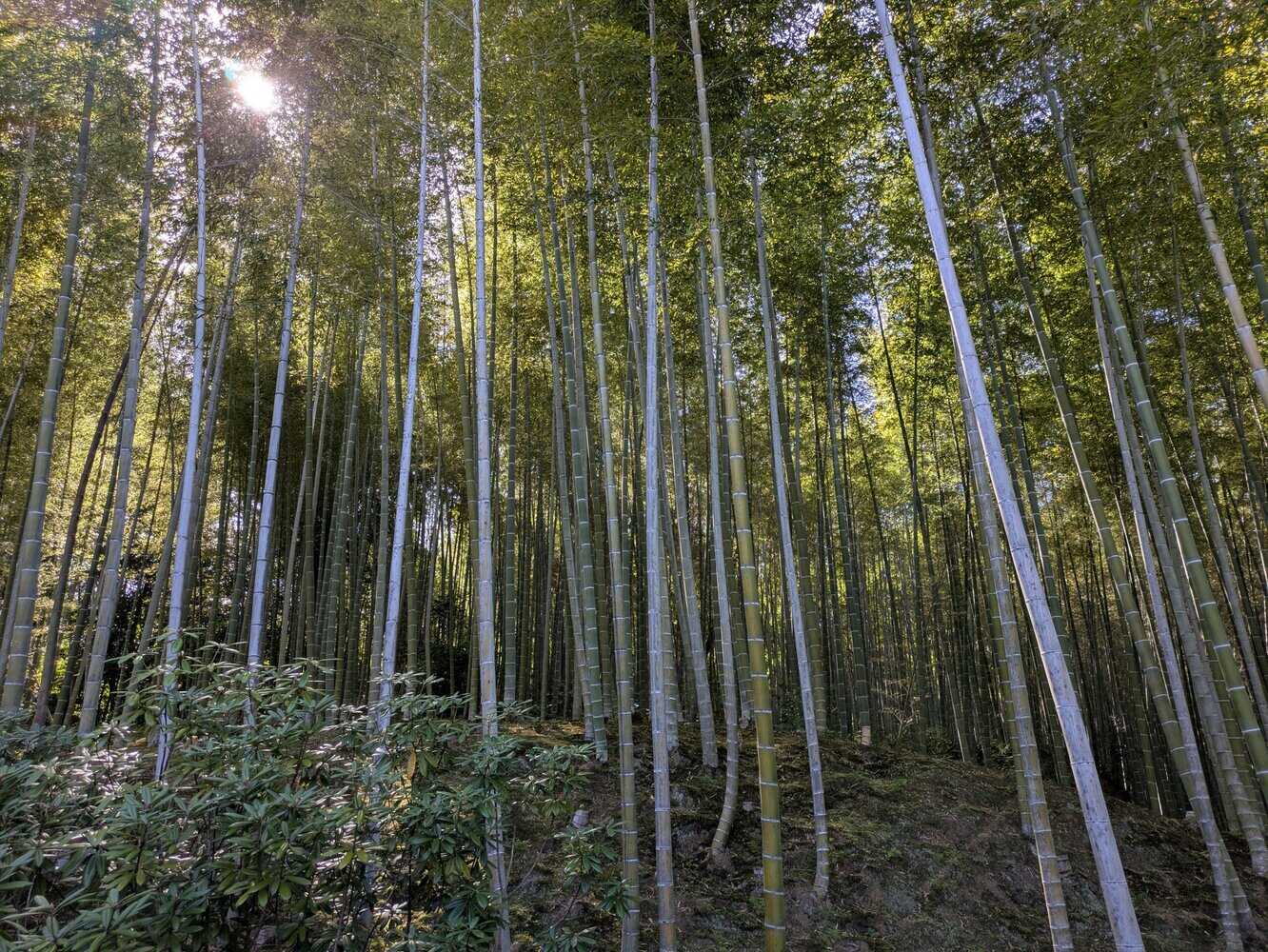
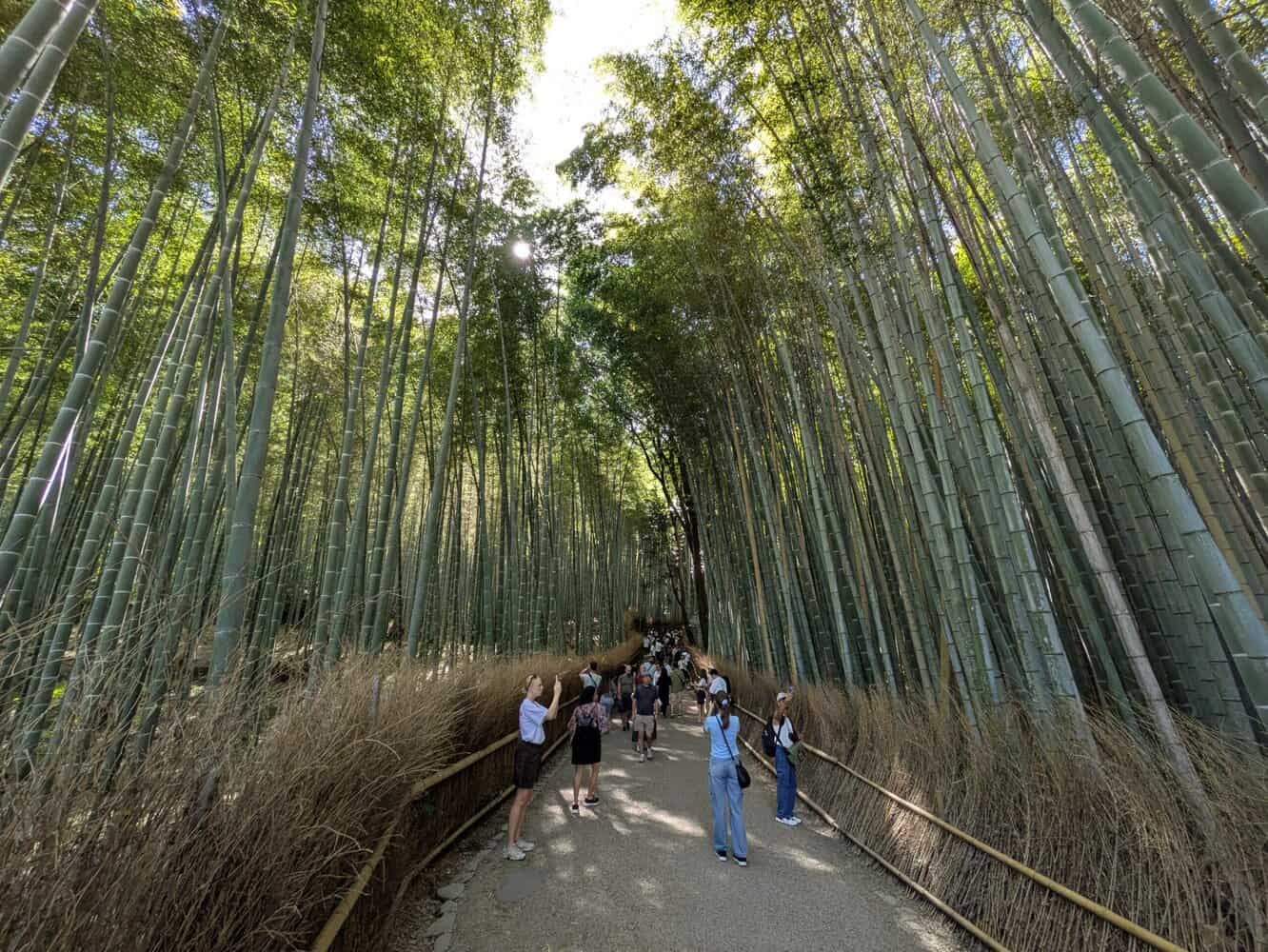
The entry fee for Tenryu-ji temple is ¥500 and I only went in because it provided a shorter path to the bamboo forest! But this Zen temple, a UNESCO heritage site, had a lovely garden and I enjoyed a cup of green tea the traditional way here. Entry to the bamboo forest is free. It is neither big nor very dense and is fully fenced. I could walk through in about 45 minutes. It was evident why visiting the grove early in the morning is recommended when there is not much crowd. The tranquil ambience and the rustling sound of bamboo trees were all missing around 11am!
Arashiyama is quite scenic but I somehow came away with a feeling that it is a bit overrated.
Half a day required
This visit requires a minimum of half a day, without the Sagano scenic train ride or boating. One can easily spend a full day here. There are few temples in the area as also a monkey park across the river. Travelling by bus or by Randen Arashiyama line will take one closer to the river front than JR train station.
3. Fushimi-inari-Taisha shrine
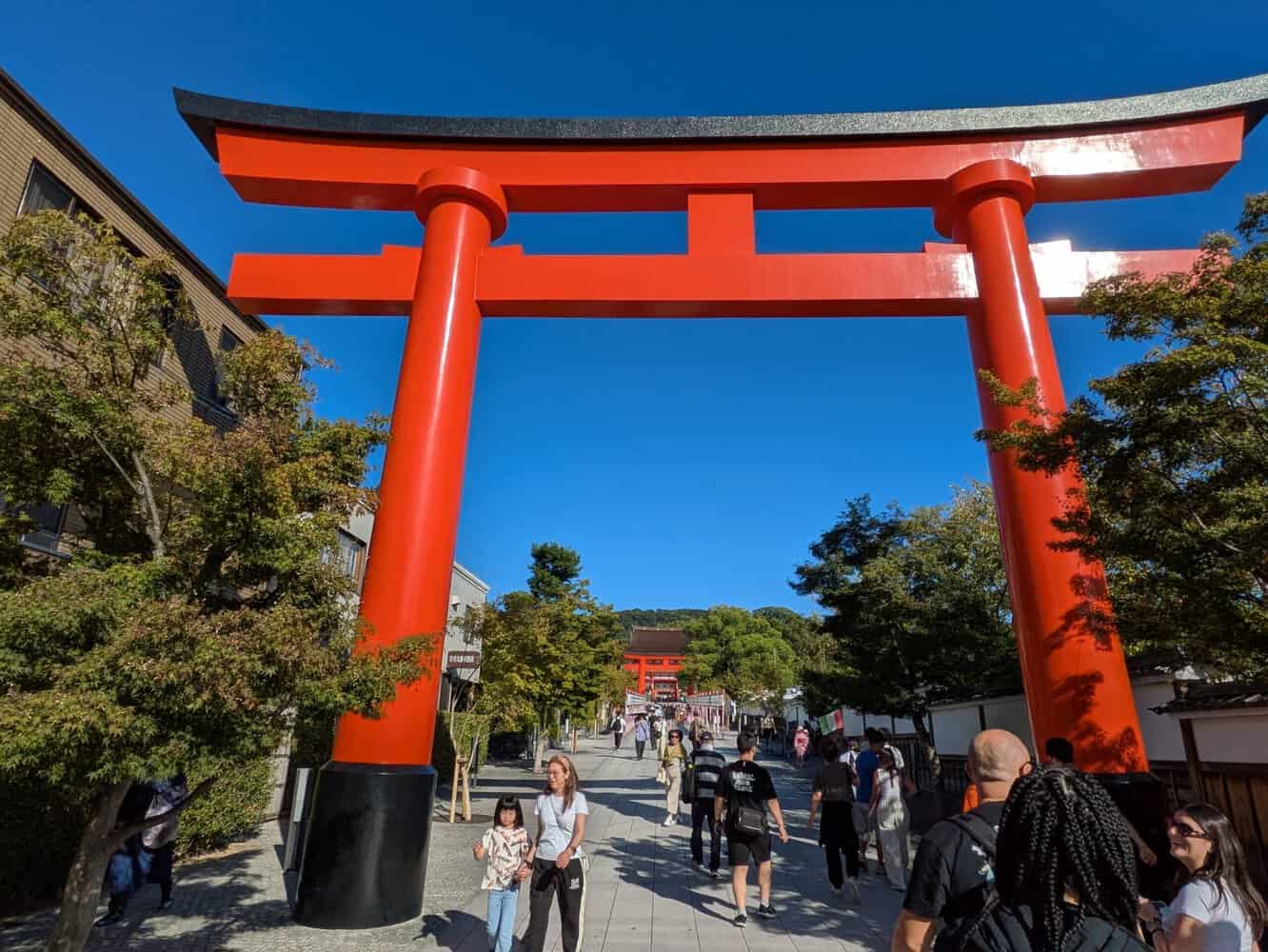
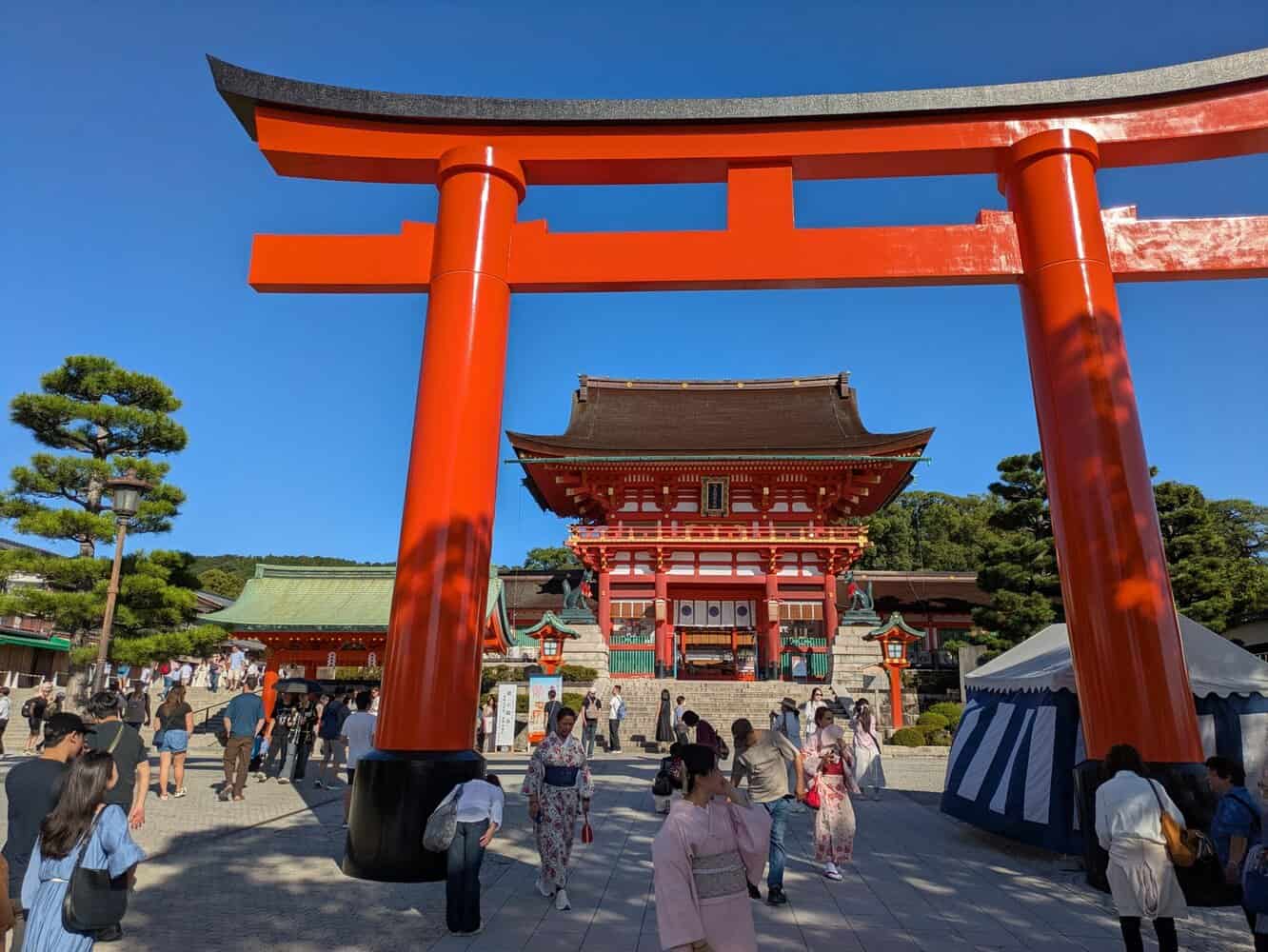
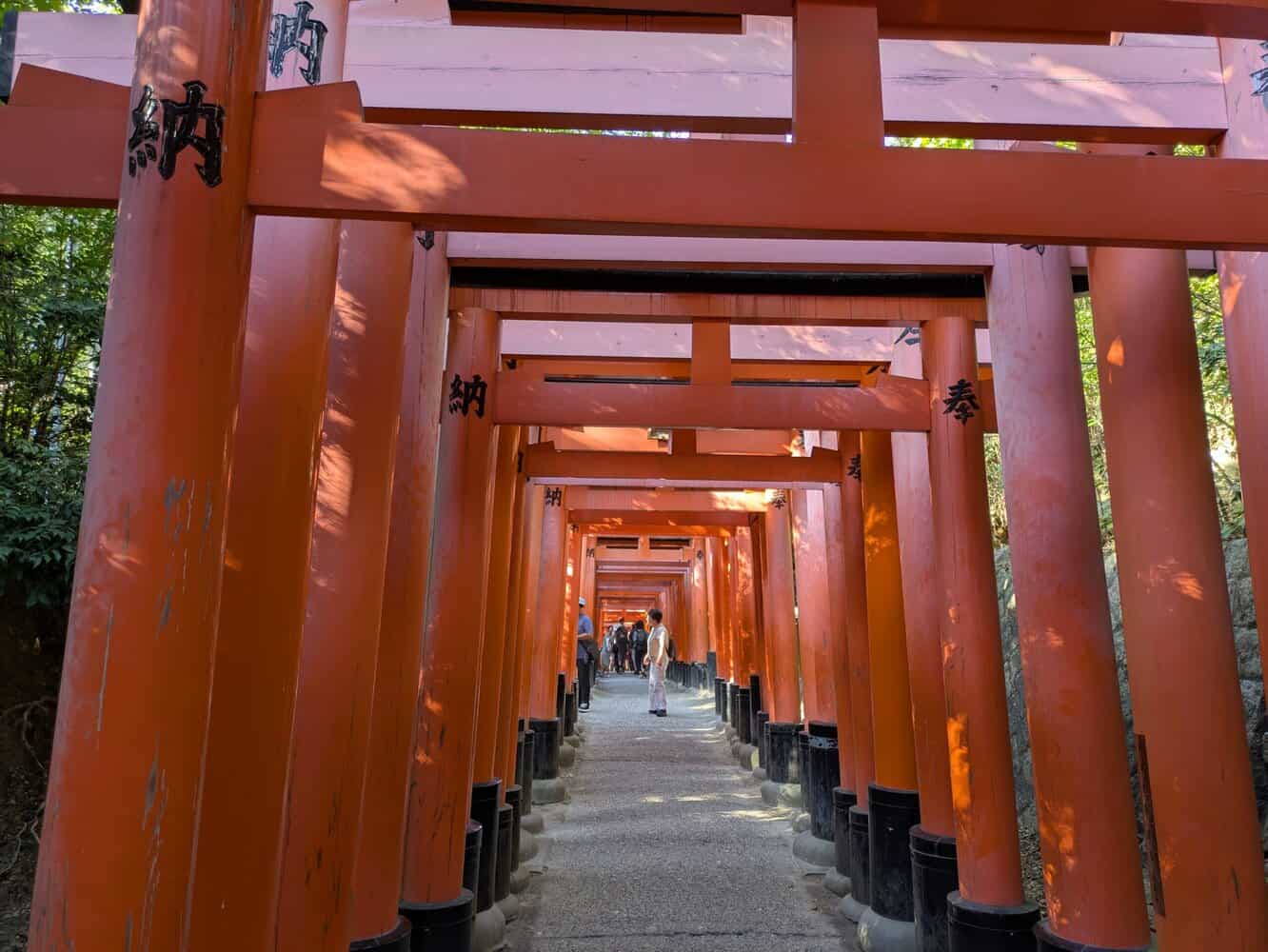
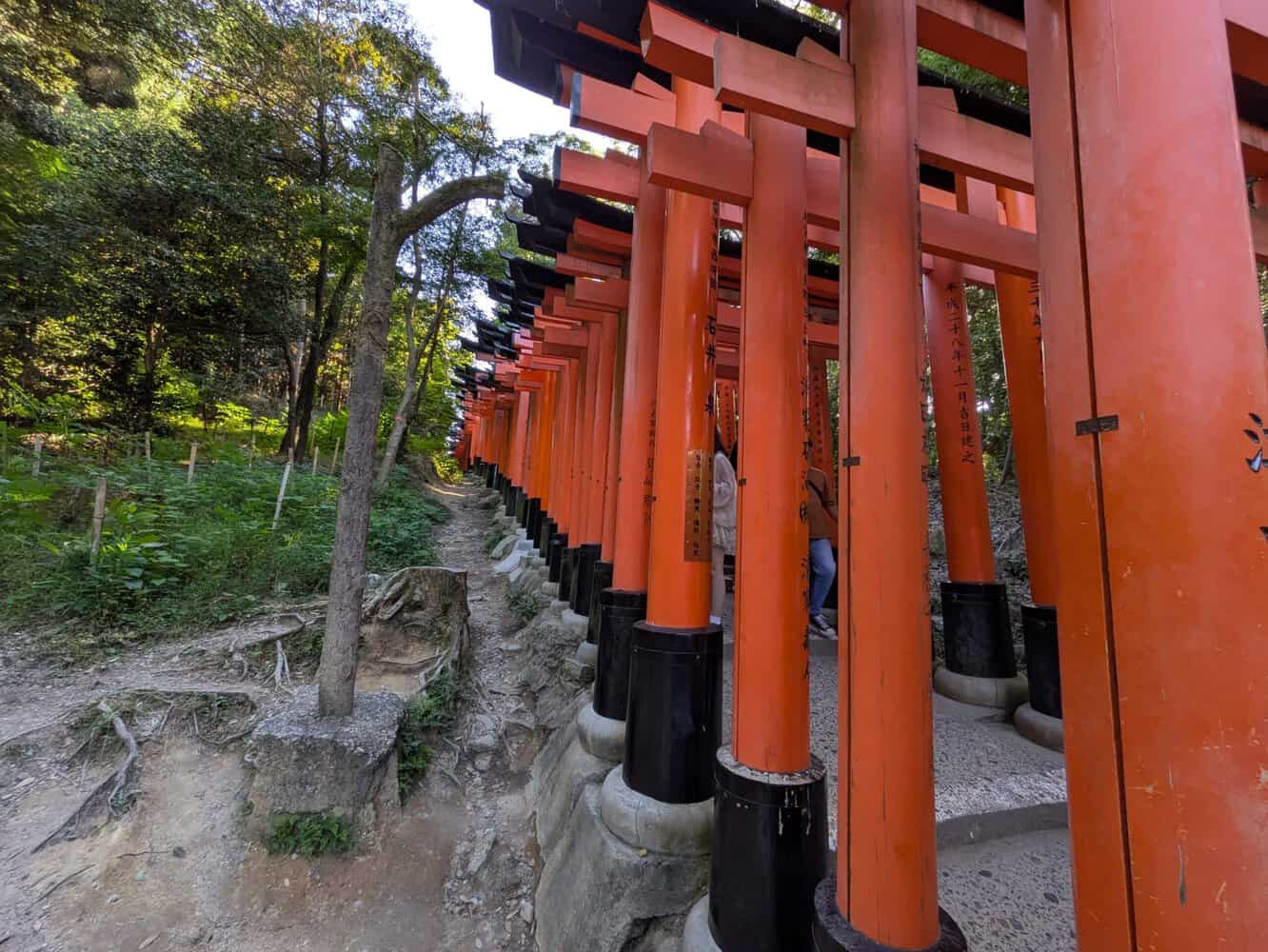
The shrine is famous for its ten thousand vermilion colored torii gates. It looks much better in photographs than in reality. The shrine is like any other but as it is located on the base of a mountain, there are hiking trails that lead to the top of the mountain. The series of torii gates makes for an attractive viewing. The journey can take upto 2 hours but one can return from any point enroute. I turned back after walking for about 30 minutes, encountering several smaller shrines on the way. There is no entrance fee and the shrine is open 24/7.
In all, a very photogenic place but this popular shrine is not on UNESCO heritage list. Fushimi-inari Taisha is the most important of the Inari shrines in Japan.
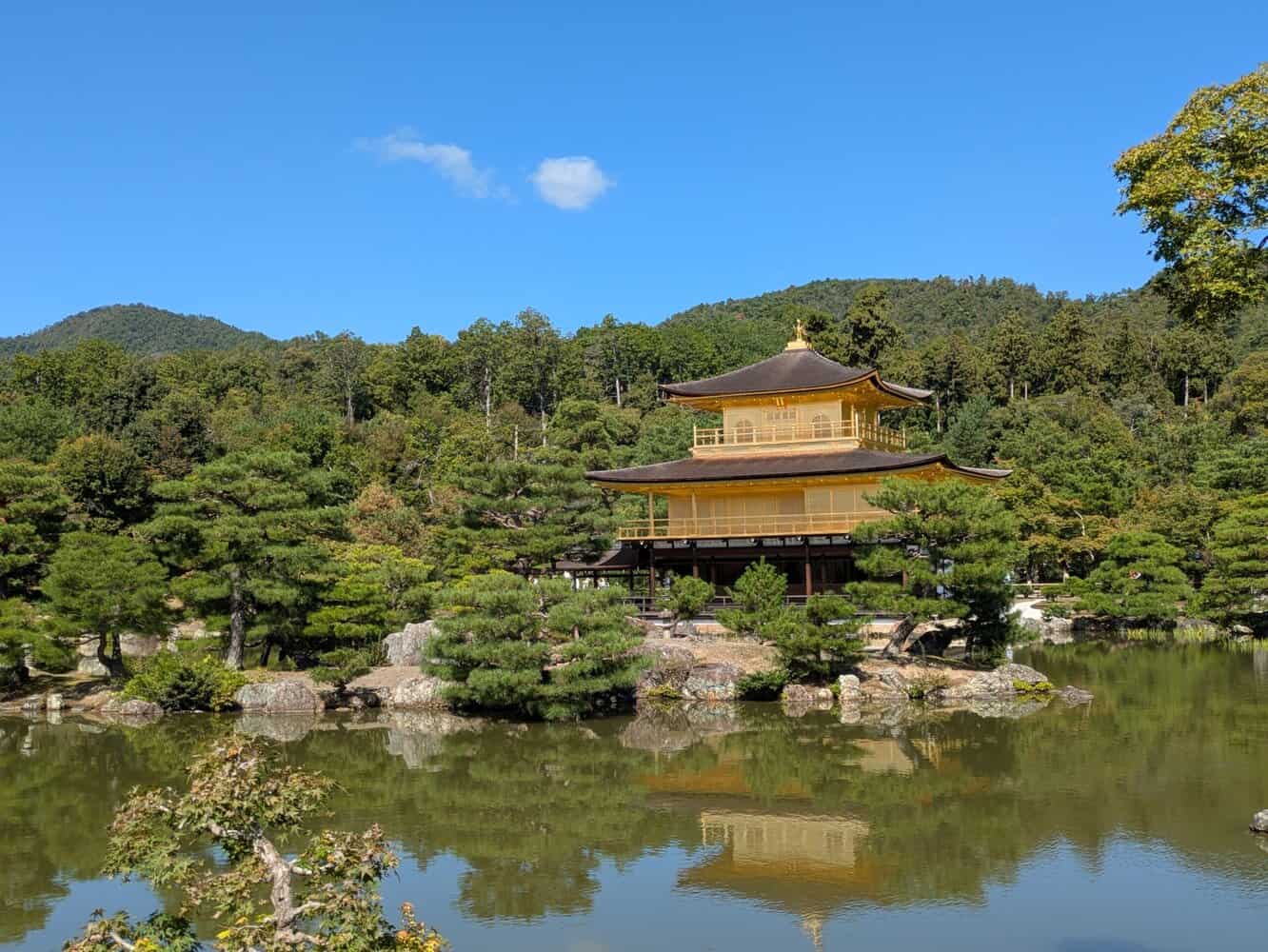
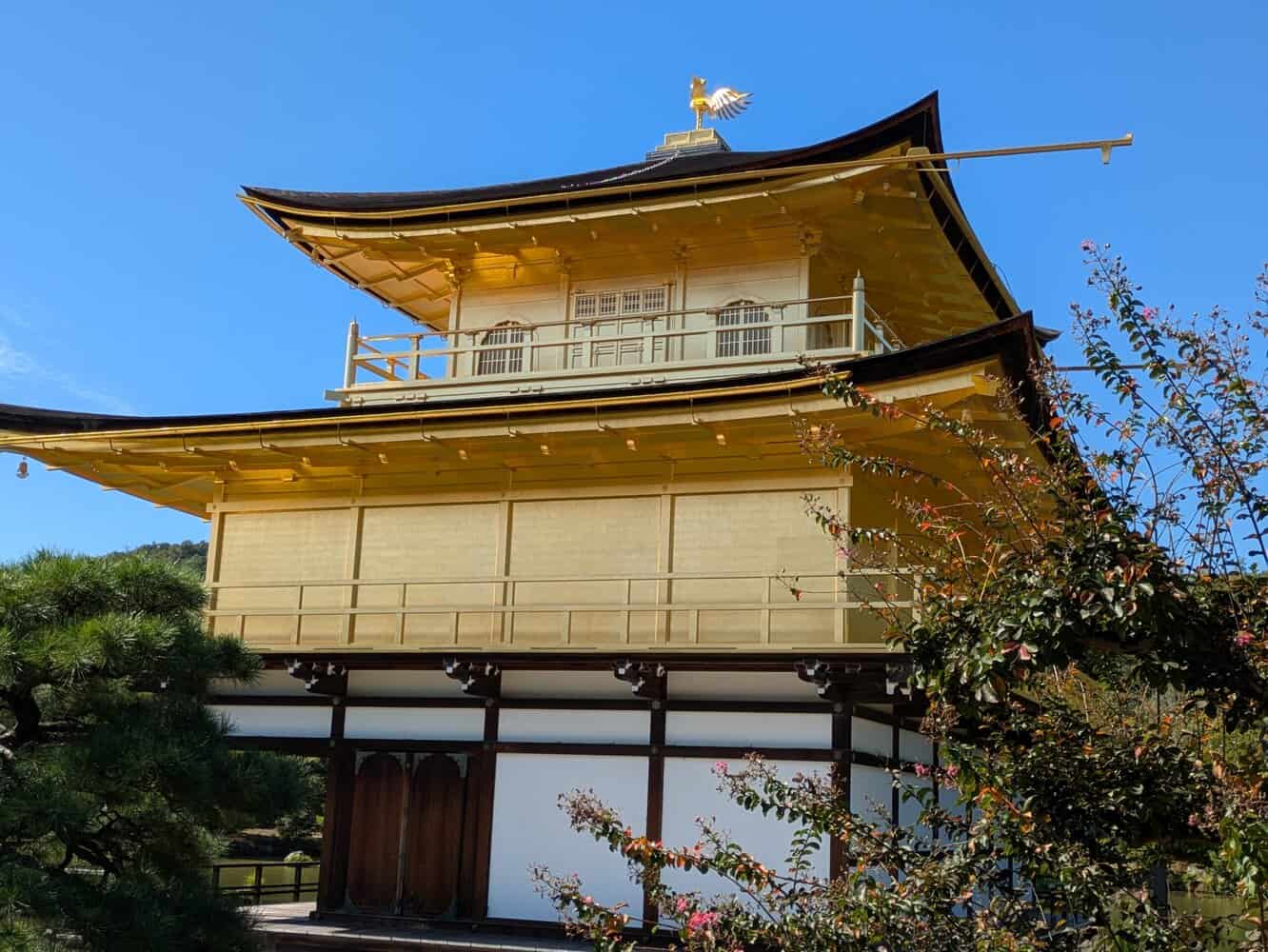
4. Rokuon-Ji or Kinkaku-ji Temple(The Golden Pavilion)
This Zen temple with golden exterior is a UNESCO heritage site. The garden is very beautiful and though the temple is quite ordinary, the golden exterior sets it apart. Took me an hour to go round the complex. Entry fee is ¥500.
The temple complex was fairly crowded and so was the bus to and from Kitaoji station.
As an Indian, I did not find the Kinkaku-ji temple to be very attractive. Reason? India has many such ‘golden’ temples with the Golden temple in Vellore or in Amritsar topping the list.
5. Kiyomizu-Dera Temple
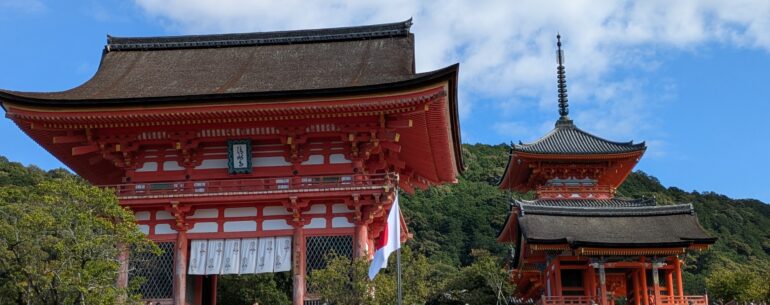
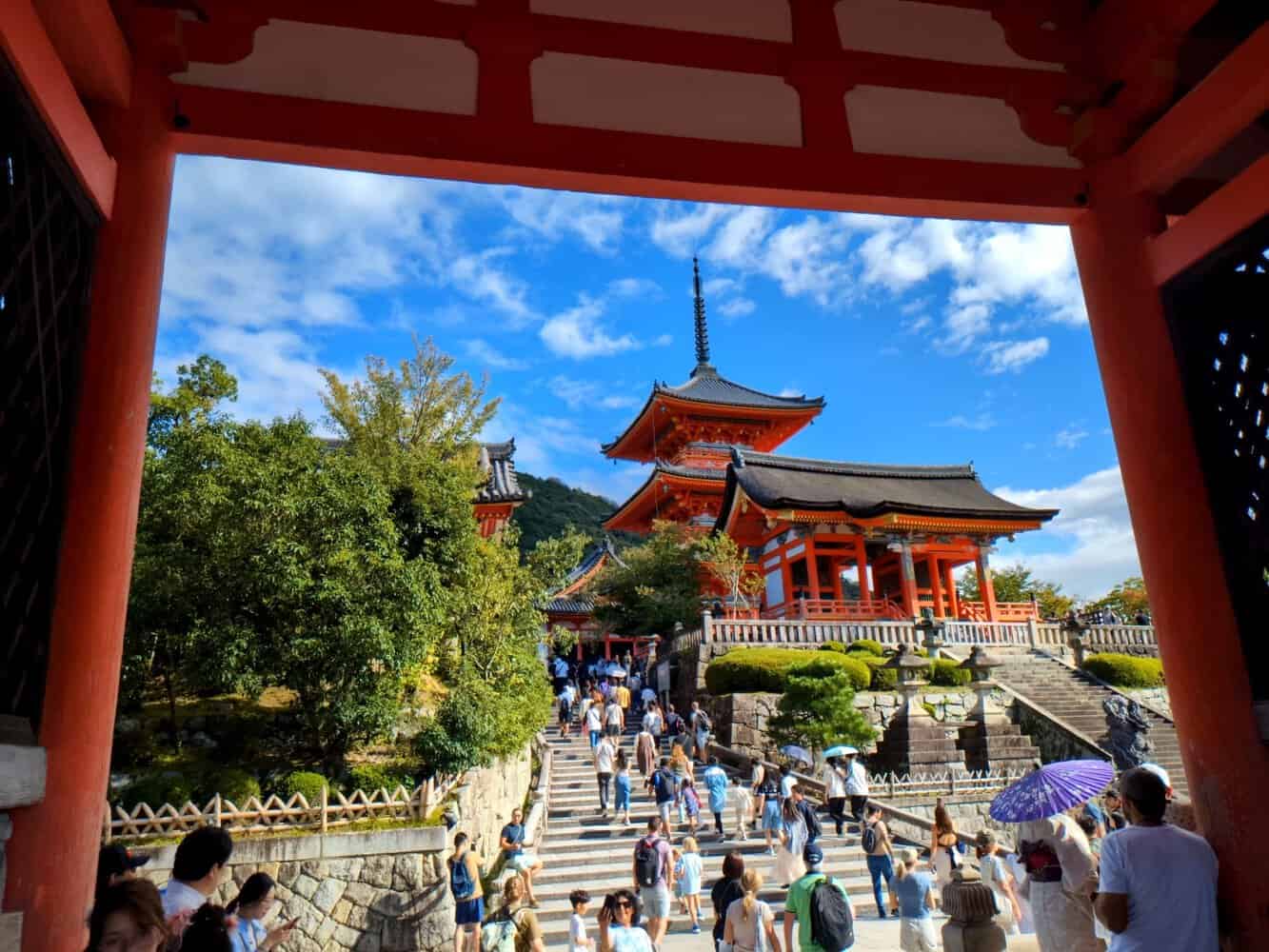
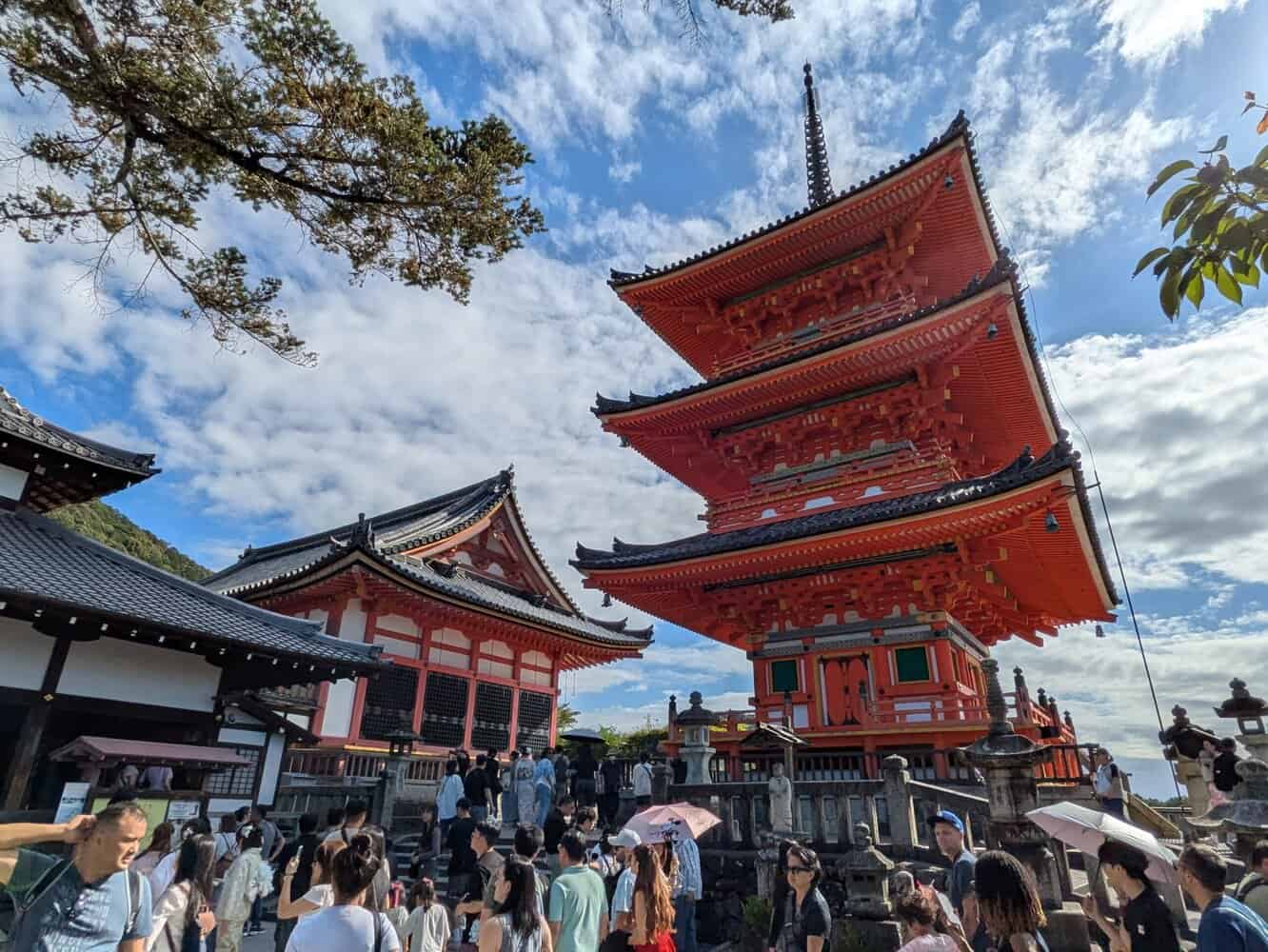
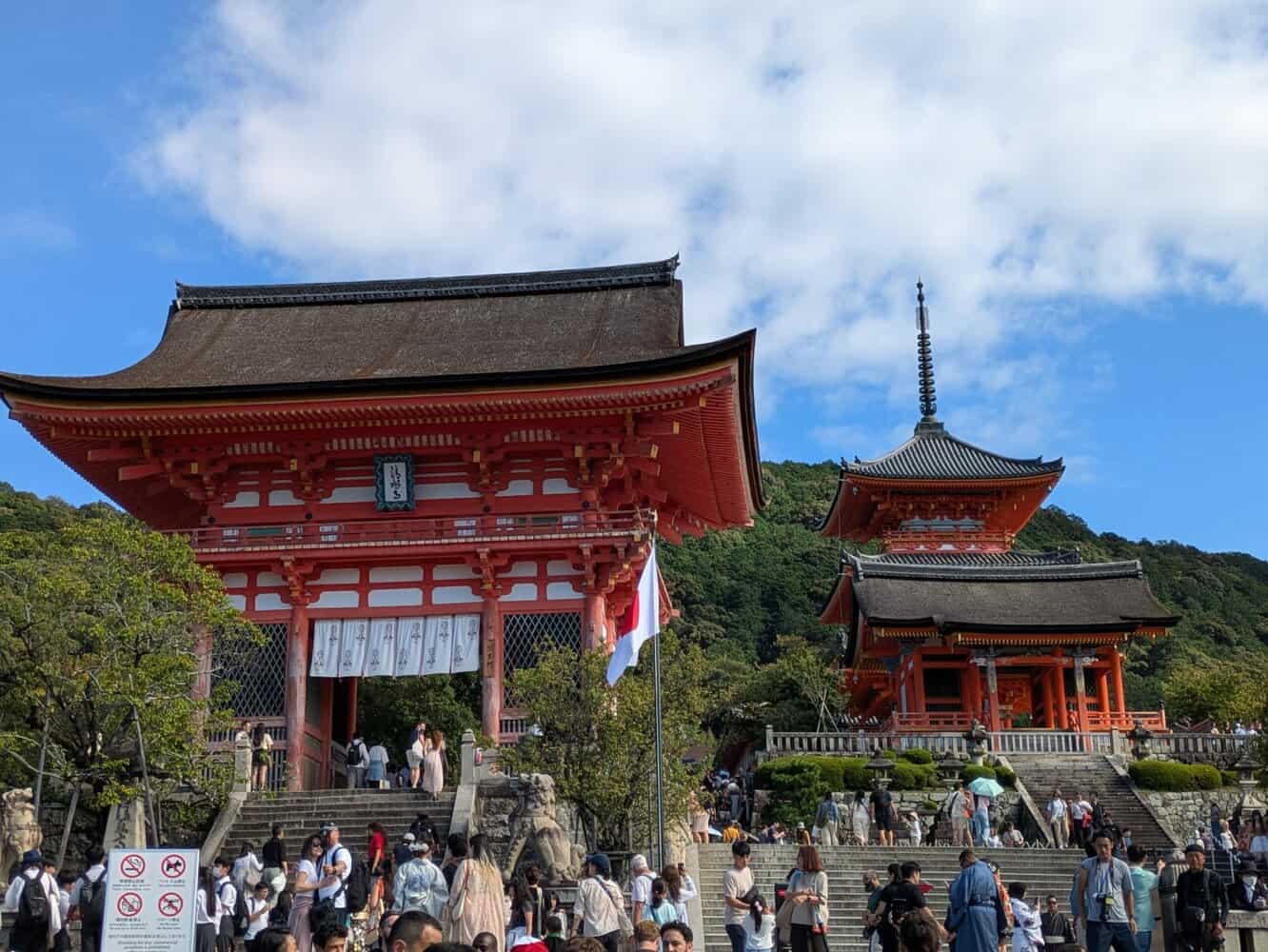
A long narrow lane with souvenir shops, cafes and restaurants on either side leads to the Temple from the main road, close to Gion district. The lane was jam packed the day I visited and it took me over 20 minutes to reach the entrance. The Temple is set on a hillock and provides views of Kyoto that is not much to write about. This extremely attractive temple is built entirely of wood and is a UNESCO heritage site. Entry is free.
Other attractions I skipped
- Kyoto Imperial Palace;
- Nijo Castle(UNESCO Heritage site);
- Other Temples and Shrines(several with UNESCO tag);
- Museums(Ninja museum includes Ninja and Samurai experience);
- Nishiki food market that serves over 100 varieties of food but does not suit vegetarians.
What else to do at Kyoto?
Few of the experiences include Tea ceremony, Geisha, Ninja, Samurai and Zen. Renting a Kimono for a day or half a day is also popular with tourists. The experiences can be booked online.
Day trips from Kyoto I considered
There are quite a few options and these sometimes make it worthwhile to stay in Kyoto.
Nara…once a capital city, Nara is famous for its temples and shrines and for free roaming deer’s. Few people I met in Japan only talked about how they could feed a deer at Nara. I skipped because I was not keen on visiting more temples and shrines. But Nara is among the most popular day trips from Kyoto as it is just about 30 minutes by train from Kyoto station.
Osaka/Kobe…Skipped because both are bigger towns.
Hemeji castle…Accessible by Shinkansen. Was my second choice but could not accommodate due to time constraint
Amanohashidate …one of 3 top scenic places of Japan was an automatic first choice. And fully worth the cost.
Hiroshima and Miyajima island…a longish day trip from Kyoto. I was keen to visit Miyajima island that is listed among the top 3 scenic places in Japan. Eventually skipped because it would have been too rushed.
Where to stay in Kyoto
Downtown (Kawaramachi/Sanjo) is the best option as the area is quite walkable. Tokyo station is also a good option but I found it to be less ‘walker friendly’. I stayed at Royal Park Hotel Kyoto Sanjo that was very conveniently located. A deluxe twin room(26 m² size) cost ~ ¥40k per night, with breakfast(~INR 24k per night).
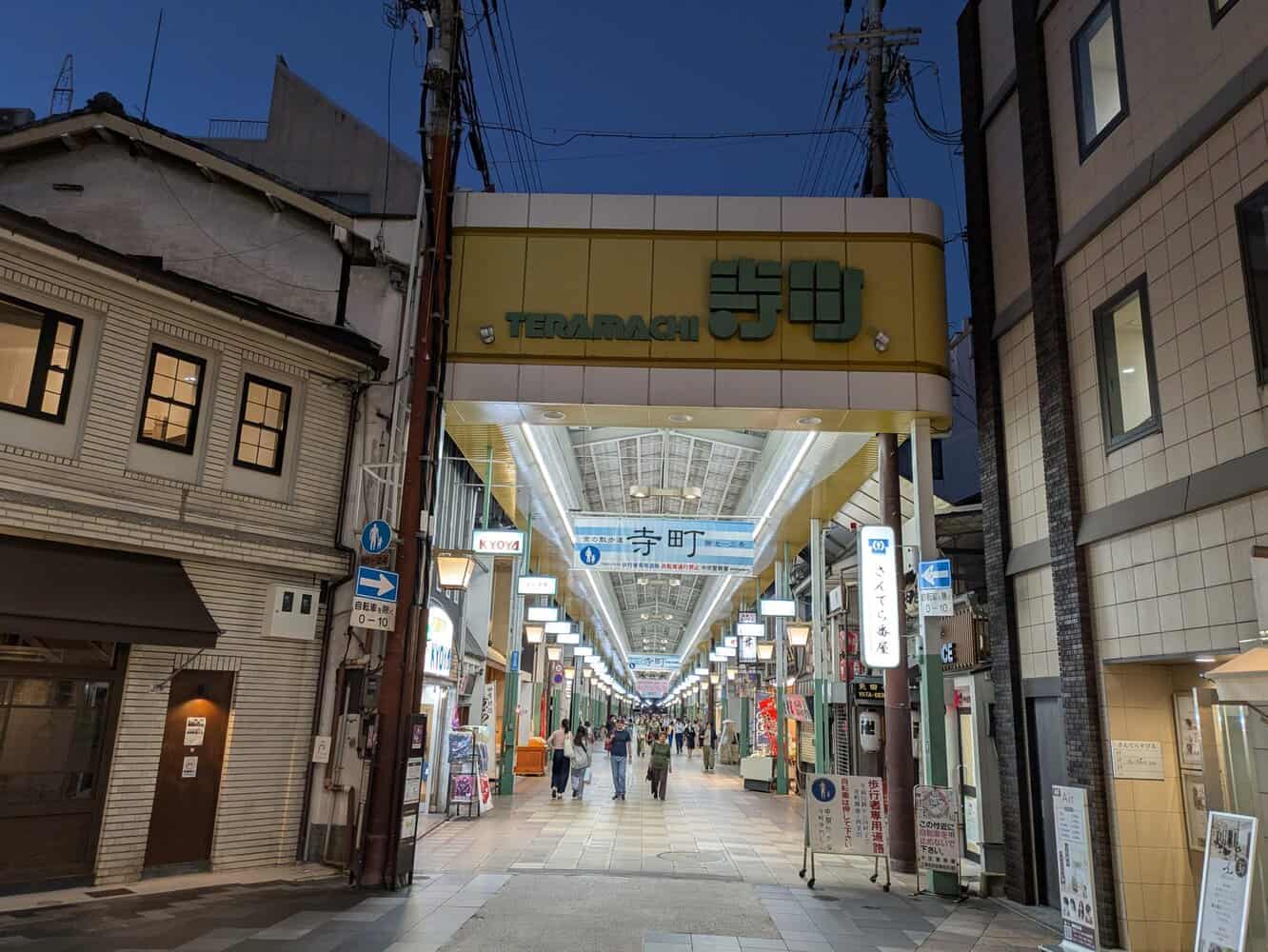
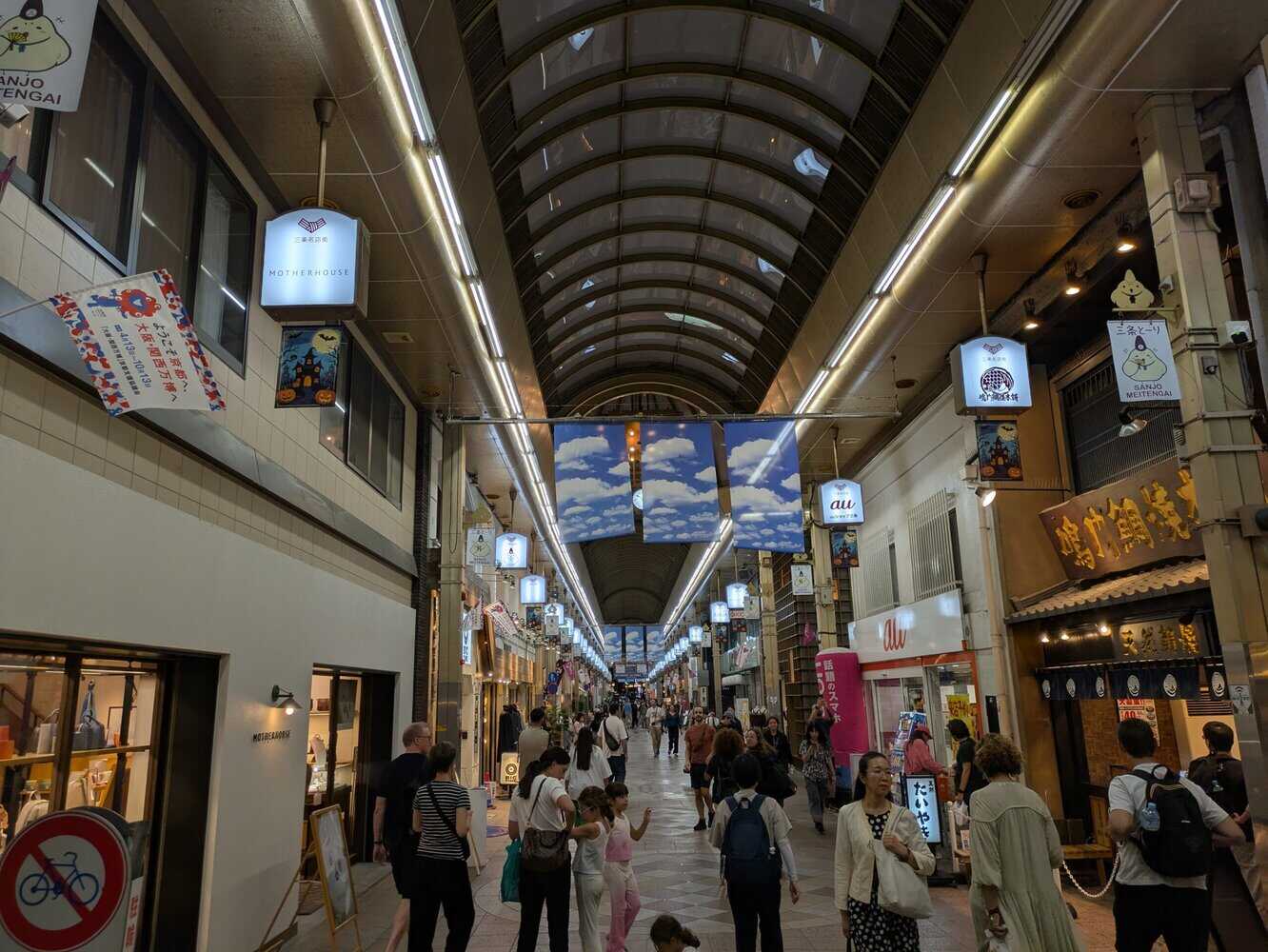
There were quiet a few ‘family mart or 7-11’ kind of retail shops, a shopping arcade as well as currency exchange outlets nearby. Couple of Indian and vegan restaurants nearby completed the list. I could walk to Gion district from the hotel. Tozai line metro and Keihan line train stations were few minutes walk away while the bus stop was less than 5 minutes by walk.
Gion/Higashiyama is also an option but hotels/ryokans are more expensive here. If you wish to experience ryokan stay, this is the best option. There are many high-end ryokans in Kyoto.
Book in advance as room rents can be pretty expensive during popular seasons.
Vegetarian food
I largely stuck to Indian restaurants, subway and Japanese vegan restaurants. But yes, finding vegetarian food in every place I visited was difficult. Good thing is juices/smoothies/beverages, together with fruits/snacks from the likes of Family Mart are generally available to keep hunger pangs at bay. Any purchase of packed snack required a careful vetting of the ingredients by ‘google translate’. I was anyway prepared to skip regular lunch occasionally.
Vegetarian/vegan meal cost an average of ¥2k (at subway) to ¥4.5k (Indian restaurant) per couple. Set meals are generally cheaper, including Bento box meals though premium options are also available.
Local commute
The 2 metro lines with 6 private train lines (including JR) and buses will take one to just about all places of tourist attraction. There are usually multiple options to get to a point, depending on the start point. Buses are quite convenient though crowded most of the time.
No pass covers all modes of transport
I did not find any single pass that covered all modes of public transport in Kyoto, especially the private train lines other than JR. My Hokuriku Arch pass covered the journey on JR train from Kyoto station to Saga-Arashiyama and from Saga-Arashiyama to Fushimi-inari shrine but nothing else. What I learnt eventually is that in Kyoto, trying to economise on commute costs only leads to longer commute time. Many a time, the best option would be a private line train and bus, rather than metro and bus that is covered by day pass. Or only a private line train. Keep Suica card(or equivalent) handy.
Day pass covers metro and buses
For one day when I had to travel by bus and metro, I bought the Kyoto one day pass for ¥1,100, valid on the 2 metro lines and buses. I purchased it from a vending machine at the metro station and the date got automatically printed when I used it at the automated gate to enter metro platform. When riding the bus, I simply had to show the pass with the date printed to the driver when alighting. There is a pass available only for the metro but that has limited utility.
Buses in Kyoto charge a fixed fare of ¥230 irrespective of the distance. Metro charges a minimum of ¥220 or so. About 5 journeys by bus/metro, will recover the cost of the pass, besides the convenience it provides.
Be prepared to walk a lot
There is fair bit of walking required in Kyoto. I used taxis only to commute between Kyoto station and my hotel in Sanjo.
The tourist guides clearly indicate how to get to various places of tourist attractions. Pick one up at the railway station or your hotel.
Hop on Hop off bus
Kyoto has hop-on hop-off buses running on 2 different routes. Possibly a good option if you want a bit of comfort. However, the buses do not cover two major attractions, namely Arashiyama and Fushimi-inari temple. Costs ¥4.3k for one day and ¥6.5k for 2 days. I preferred to be on my own.
How many days in Kyoto?
From what I saw, the top 3 attractions in Kyoto are Gion district(with Geisha experience and Pontocho alley), Kiyamizu-Dera Temple and Fushimi-inari shrine, all of which can be managed in a day with an early start. Add on additional days depending on day trips planned. If you have visited Geisha district in Kanazawa, you can safely skip or curtail visit to Gion district and add on Kinkaku-ji temple or Arashiyama Bamboo forest.
When to visit Kyoto?
Like rest of Japan, March/April(cherry blossom) is the high season followed by October/November (autumn) which is also fairly crowded. First fortnight of May is also said to be crowded. July and August is the peak of summer and rainy season while winter peaks in January. If you want less crowd and lower hotel prices, the remaining months of February, May second half, June, September and December may be considered.
I visited in the first fortnight of October and Kyoto was crowded. Weather was perfect in October, with temperatures in the range of 12°c to 22°c. It did get a bit warm post noon but there was no rain and skies were clear. I did not notice much of Fall foliage though. One has to visit in the first fortnight of November for that.
Is Kyoto expensive?
Depends on what you pay for the accommodation as the single biggest cost for a tourist is the accommodation cost. Budget and mid range accommodation is available but the premium/luxury accommodation can be pretty expensive during peak season. Mid range accommodation, which is what I typically look for, tends to get booked well ahead of time. Last minute bookings are likely to be quite expensive.
Kyoto is cheaper than Tokyo but relatively more expensive than Osaka, and far more expensive than smaller towns like Kanazawa. Kyoto is more of a tourism hub while Osaka is more of a business hub. If cost is a big consideration, minimize stay in Kyoto and add on Osaka.
Day trips will add to the cost depending on the mode of transport, unless the journey is covered by a rail pass. For shopping, there are quite a few areas but I think Tokyo has far greater variety.
Is Kyoto worth visiting?
Kyoto was my third stop in Japan, after Tokyo(with a day trip to Nikko) and Kanazawa. That probably is the reason I was not too impressed with Kyoto initially. That impression did not change even after 4 nights in Kyoto. The city itself is not that attractive, the temples and shrines looked similar though Kinkaku-ji temple Fushimi-inari shrine and Kiyomizu-Dera temple stood out, Gion was not much different from Kanazawa’s geisha districts and Arashiyama bamboo forest was nice but overrated and not very enjoyable with the milling crowd. The real saving grace was the day trip to Amanohashidate.
Had Kyoto been my first stop or if I had not visited Nikko and Kanazawa before, I possibly would have been impressed with Kyoto. Despite the crowd.
But it may be hard to drop Kyoto all together from one’s itinerary, given its popularity. And especially since Kanazawa is generally not visited by many tourists and Amanohashidate is best visited from Kyoto on a day trip. So Kyoto may be unavoidable but one can minimize stay here.
For more information
Related posts
Tateyama – Kurobe Alpine Route