
Tokyo is among the top fascinating big cities I have visited. Partly because it still has that ‘asian touch and feel’ and when the bigger Indian cities get better infrastructure and clean up, they are more likely to look and feel like Tokyo rather than any western city. Widely recognized as the most technologically advanced city in the world, Tokyo has something for everyone.
Tokyo is huge. Not only by area and population, but also by economic output that tops USD 1 trillion, larger than most nations of the world. Tokyo can feel overwhelming at first but just 2-3 days here and it starts to become comfortable.
Tokyo is a city of contrast with glassy skyscrapers, giant video screens and billboards sitting next to serene temples and shrines. As a destination, Tokyo is a must visit. So is Japan.
Jump to:
Commuting in Tokyo
The public transport in Tokyo is extensive and inter-connected, comprising the surface loop train line called JR Yamanote Line, 2 subway systems (Tokyo and Toei) with 13 lines and buses. With several operators, there is no single pass that covers all public transport. Even the available passes are a bit overpriced and may not provide significant savings.
Best to disregard local transport passes
Commuting in Tokyo for me either involved a combination of JR Yamanote line and Tokyo subway or standalone subway with the odd bus rides. Most rides cost between ¥160 to ¥260 and hence most passes would work only if used 4-6 times a day at the minimum. The only pass I eventually bought was the 72 hours subway pass that covered both the subway systems. It cost me ¥1500 per adult and I possibly took about 10 individual trips. My guess is I must have just about recovered the cost.
My experience is that it is best to disregard the passes and use Suica or the equivalent card for making payments.
Other options
Taking a taxi for shorter rides or with luggage is not that expensive. For the 7km journey to Tokyo station by Uber XL, I paid ¥5.7k.
I also rode the bus from Tokyo Tower to Shibuya station. Got to see more of the city for 40 minutes or so and cost only ¥210 per adult. Inside the bus, the name of each stop was displayed in English also and hence there is no problem if one has to get off midway.
Tokyo also has a hop-on, hop-off bus that covers key attractions. Costs lot more than subway but worth giving it a try for added comfort. Or take the day tours by bus.
Key Tokyo neighbourhoods
The city is divided into 23 wards but for a tourist, it is best to consider Tokyo as a collection of distinct neighbourhoods with sightseeing, food and accommodation options. From that perspective, the key neighbourhoods include Shinjuku, Shibuya, Tokyo station, Ginza, Roppongi, Odaiba, Akihabara, Ueno and Asakusa. The decision on where to stay will depend on how you arrive into and depart from Tokyo and your itinerary, including day trips planned. Vegetarian food is generally available everywhere though choices will be limited.
Shinjuku is good to stay for the first timer
I think Shinjuku is a good area to stay for the first time visitors. It is a major transport hub, lies on the JR Yamanote line, there are local sightseeing options, plenty of restaurants including availability of vegetarian food and has a very lively atmosphere. There is only one drawbacks – the area is very crowded.
Asakusa was my second preference
Other good options include Shibuya, Tokyo station and Asakusa. There is not much to see in Shibuya while Tokyo station area and Asakusa can be a bit quiet in the evenings. Asakusa offers traditional Ryokans as well as budget/premium accommodation and was my second preference. But whichever area you choose, just make sure you are within walking distance to JR Yamanote or a subway line.
What to see in Tokyo
Given the vast size of Tokyo, it makes sense to explore key neighbourhoods, one at a time and keep the commute time to the minimum.
1. Shinjuku
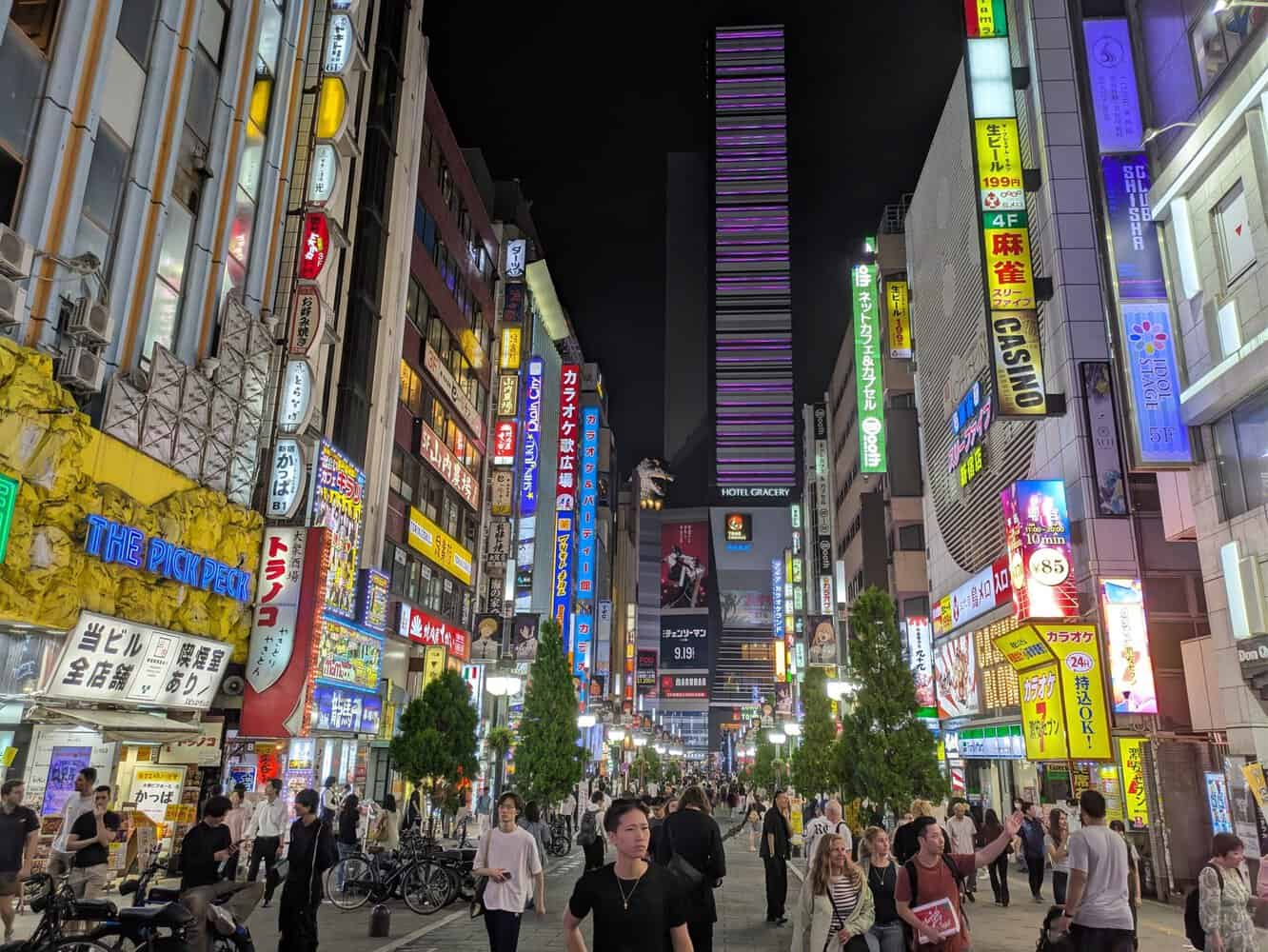
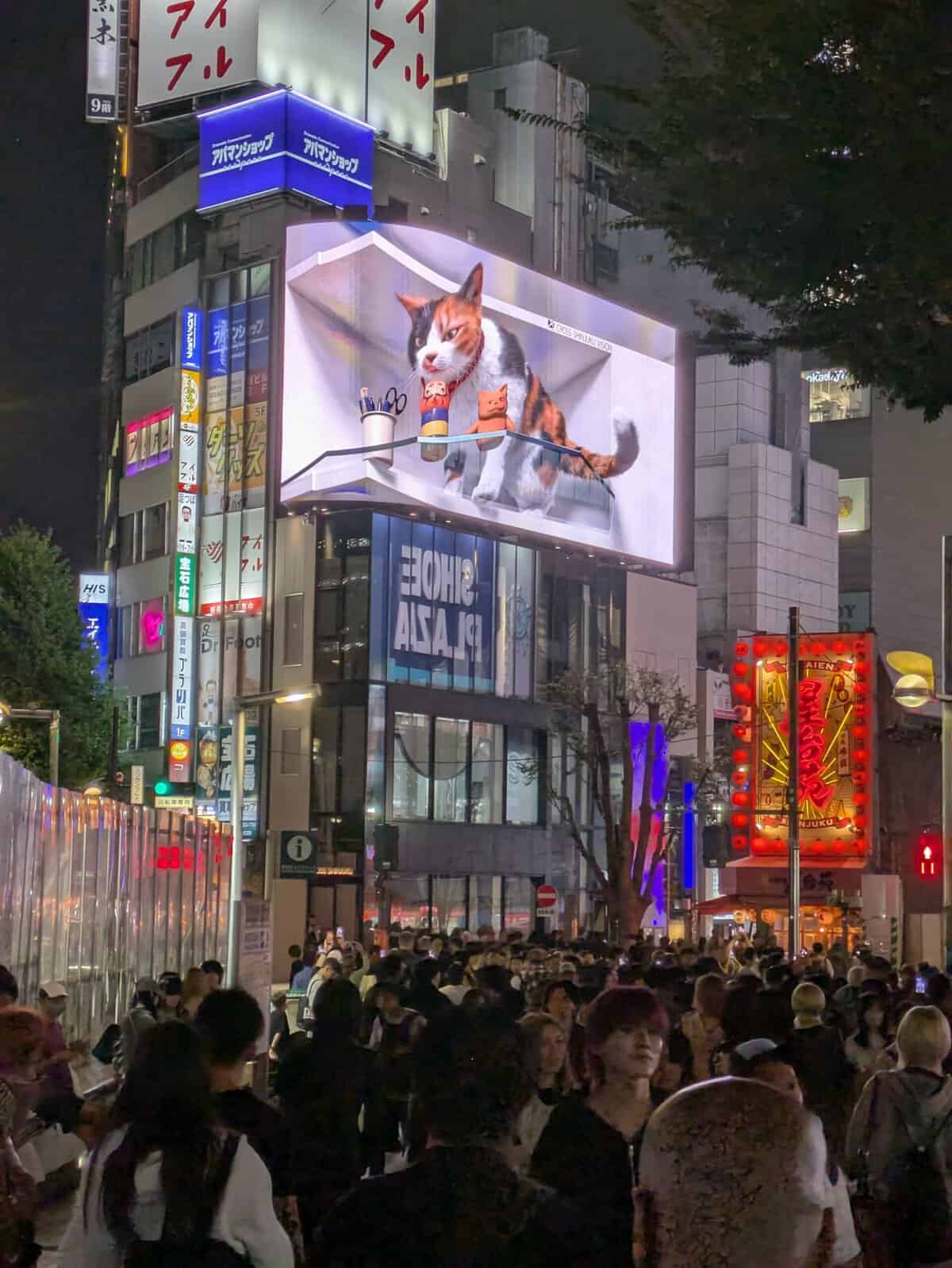
With its neon lights, 3D animations, music, giant video screens, digital billboards including the famous 3D cat billboard, Shinjuku makes Times square in New York appear pale in comparison. Very crowded and very lively, Shinjuku is quintessential modern Japan and a hub for entertainment, dining and shopping. The giant 3D cat billboard, near the Station East exit, has actually become a landmark in Shinjuku and was on the way to my hotel.
World’s busiest railway station
The railway station at Shinjuku is massive and the busiest in the world with little under 4 million users every day. I took couple of days to get a bit familiar and eventually found shorter ways to get in and out of the station. The station complex also boasts of underground shops, restaurants and cafes.
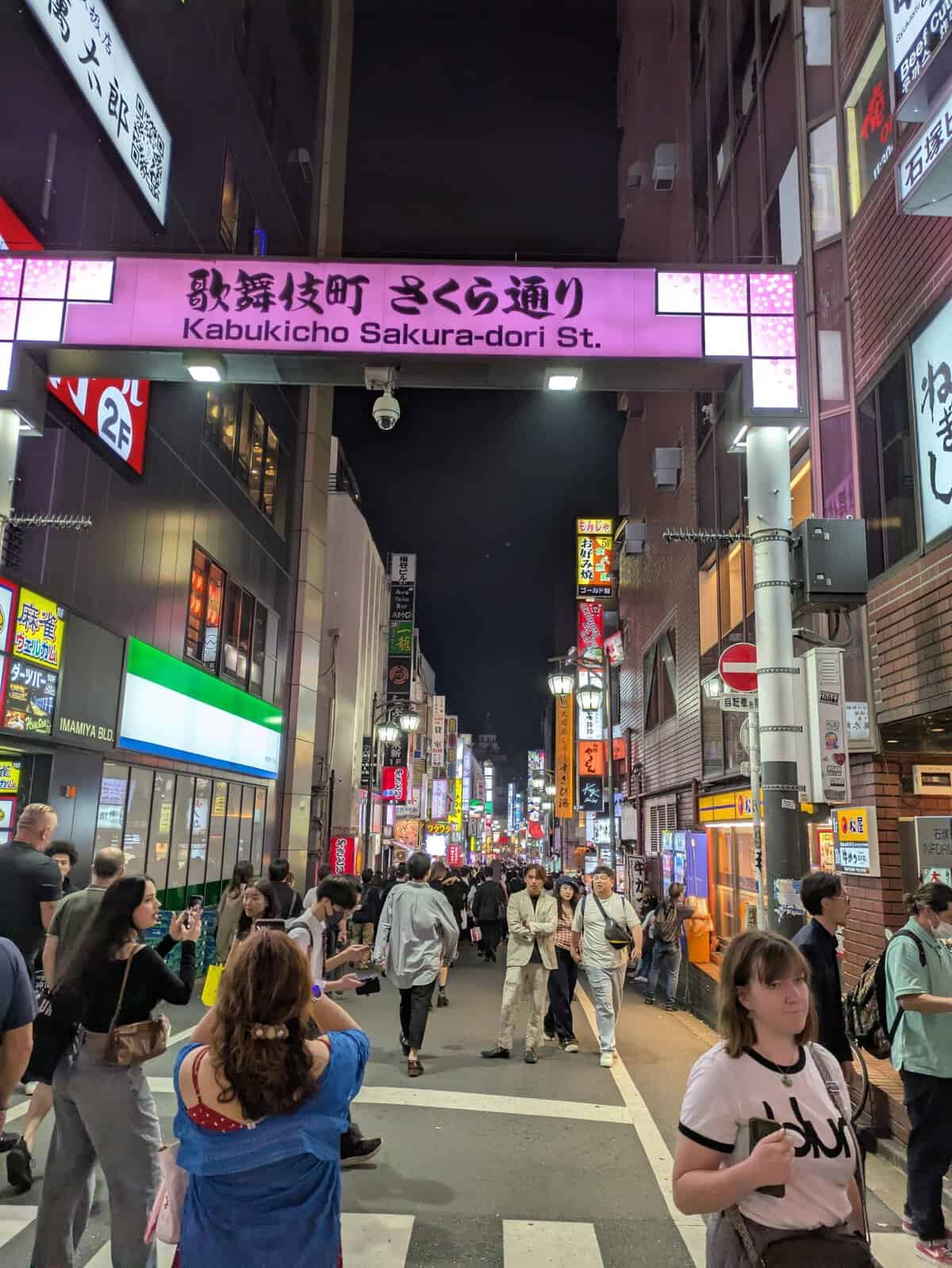
The railway station divides Shinjuku into two sides – the West side is quieter, has more fine dining restaurants and is filled with Skyscrapers while the East side is bustling and night-life heavy. I chose to stay in the East, in an area known as Kabukichō. While I was unaware at the time of booking, I later learnt that Kabukichō is a red light area. But it is not at all obvious while walking around the area at night, though there are tell signs one cannot miss.
The entire area is walkable. Besides walking around the neighbourhood at night, the key sights include the following:
Golden Gai /Omoide Yokocho
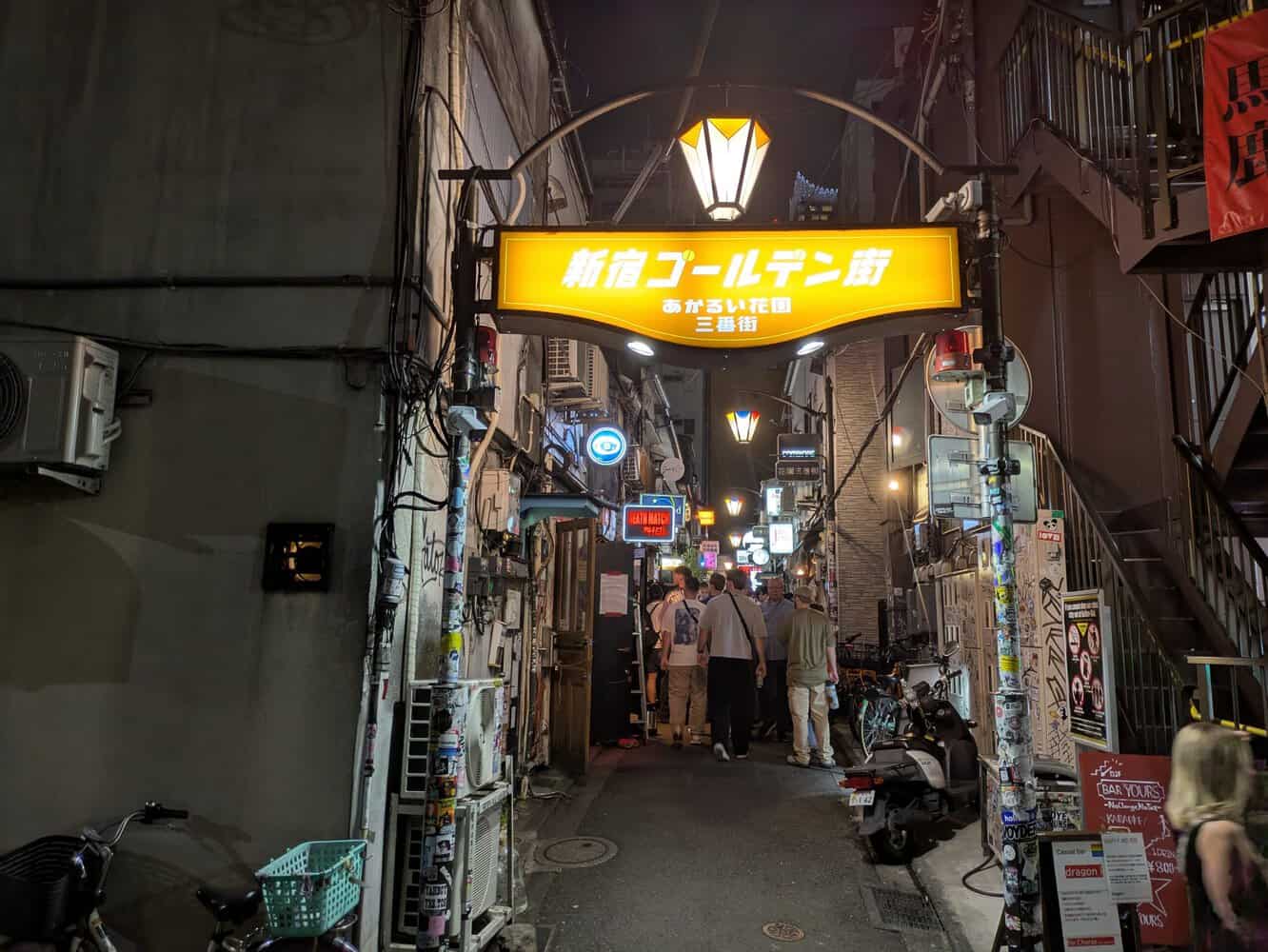
Golden Gai is a historic lantern lit alley with over 300 tiny bars and eating outlets, many of them tracing back to 1960s and all packed into 6 narrow alleys. Seating is cramped and not all welcome foreigners, as evident from the notices stuck on the doors/walls. Very popular though. I was hoping to squeeze in for a quick drink but that was not to be.
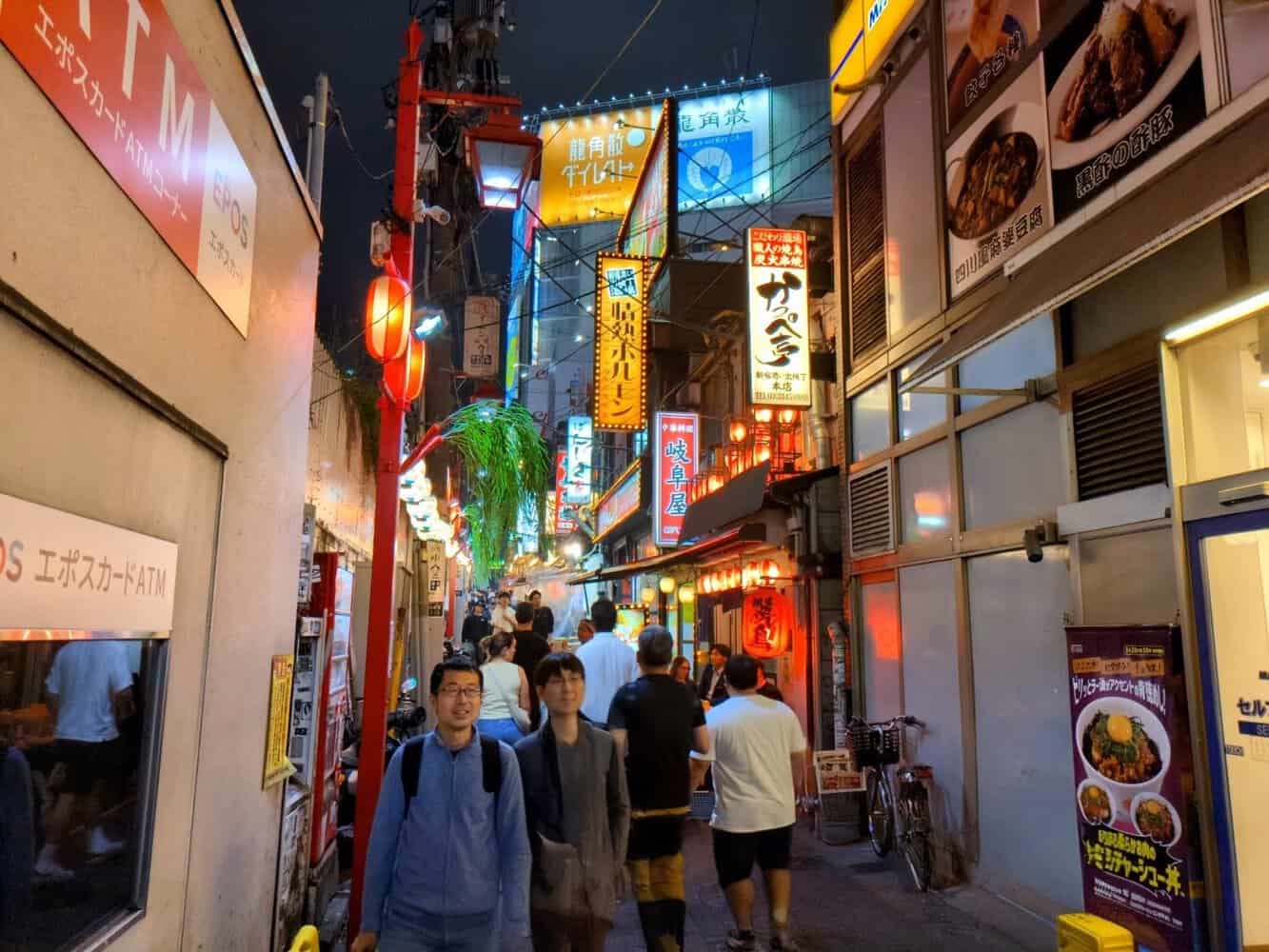
Similarly, Omoide Yokoche(meaning Memory Lane) is a cluster of small bars in narrow alleys.
Tokyo Metropolitan Government building
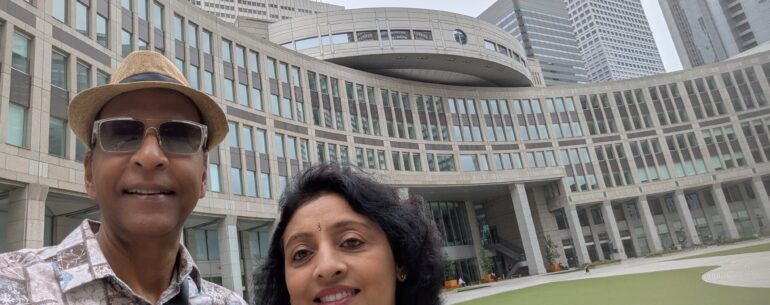
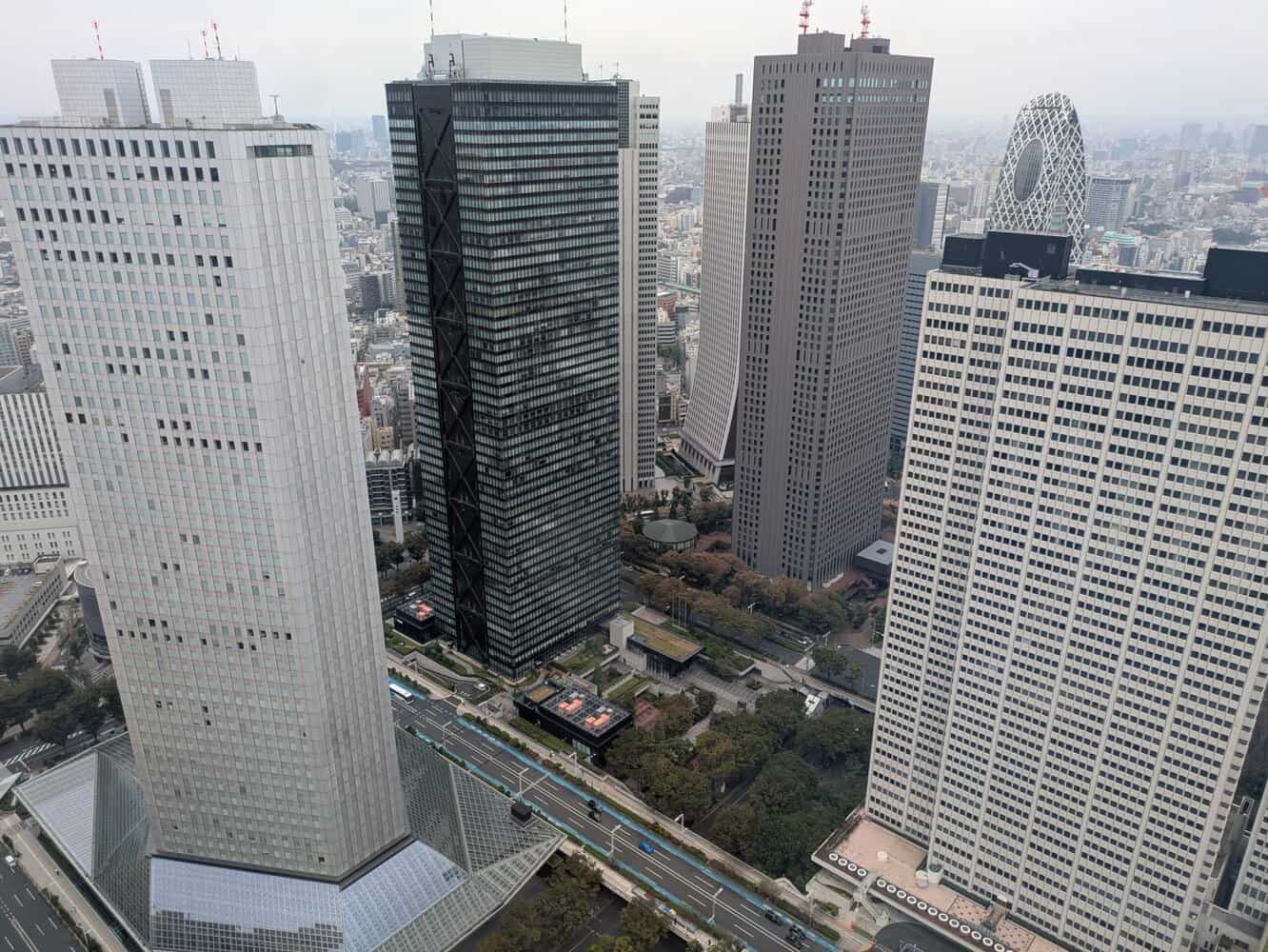
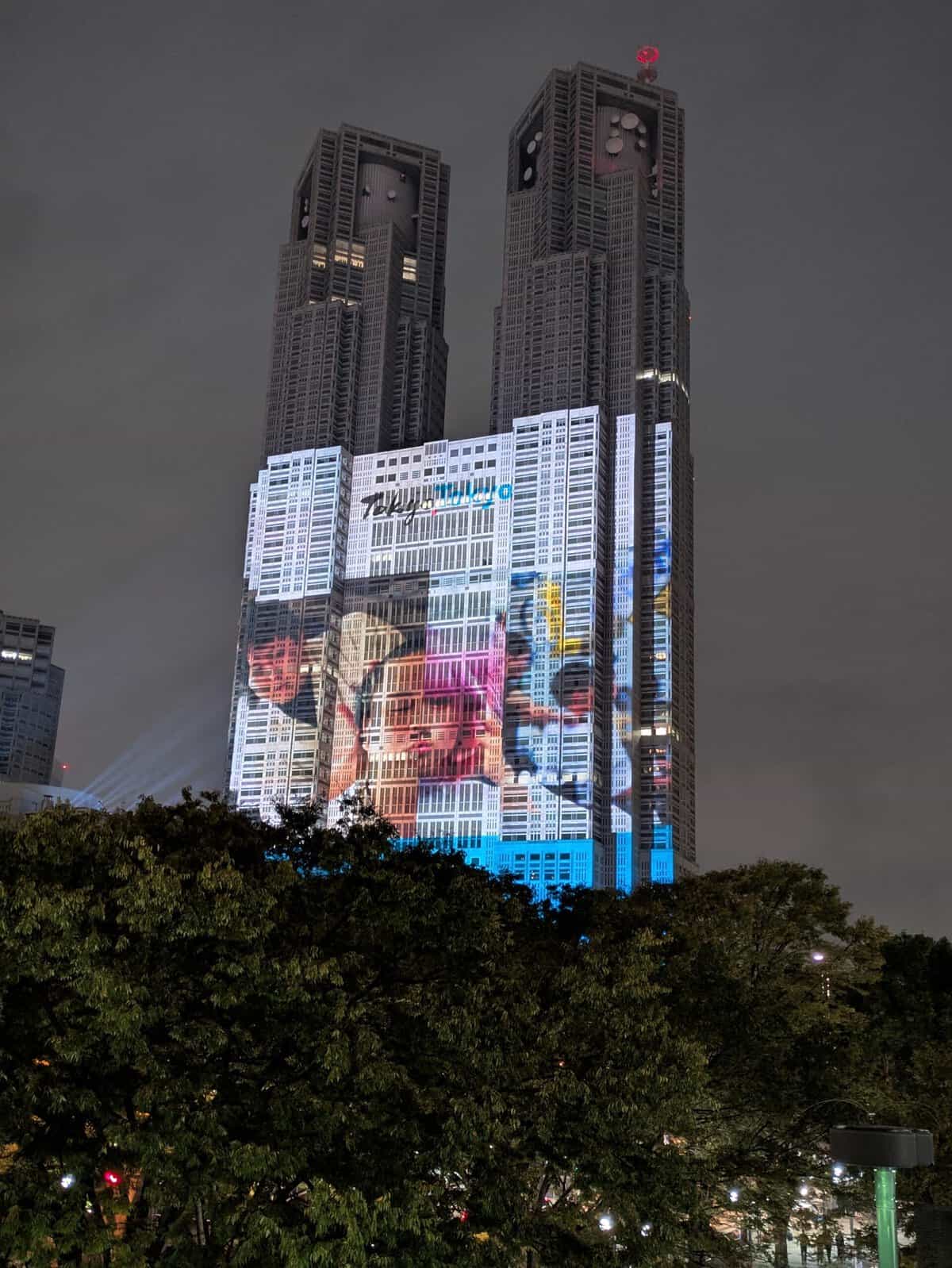
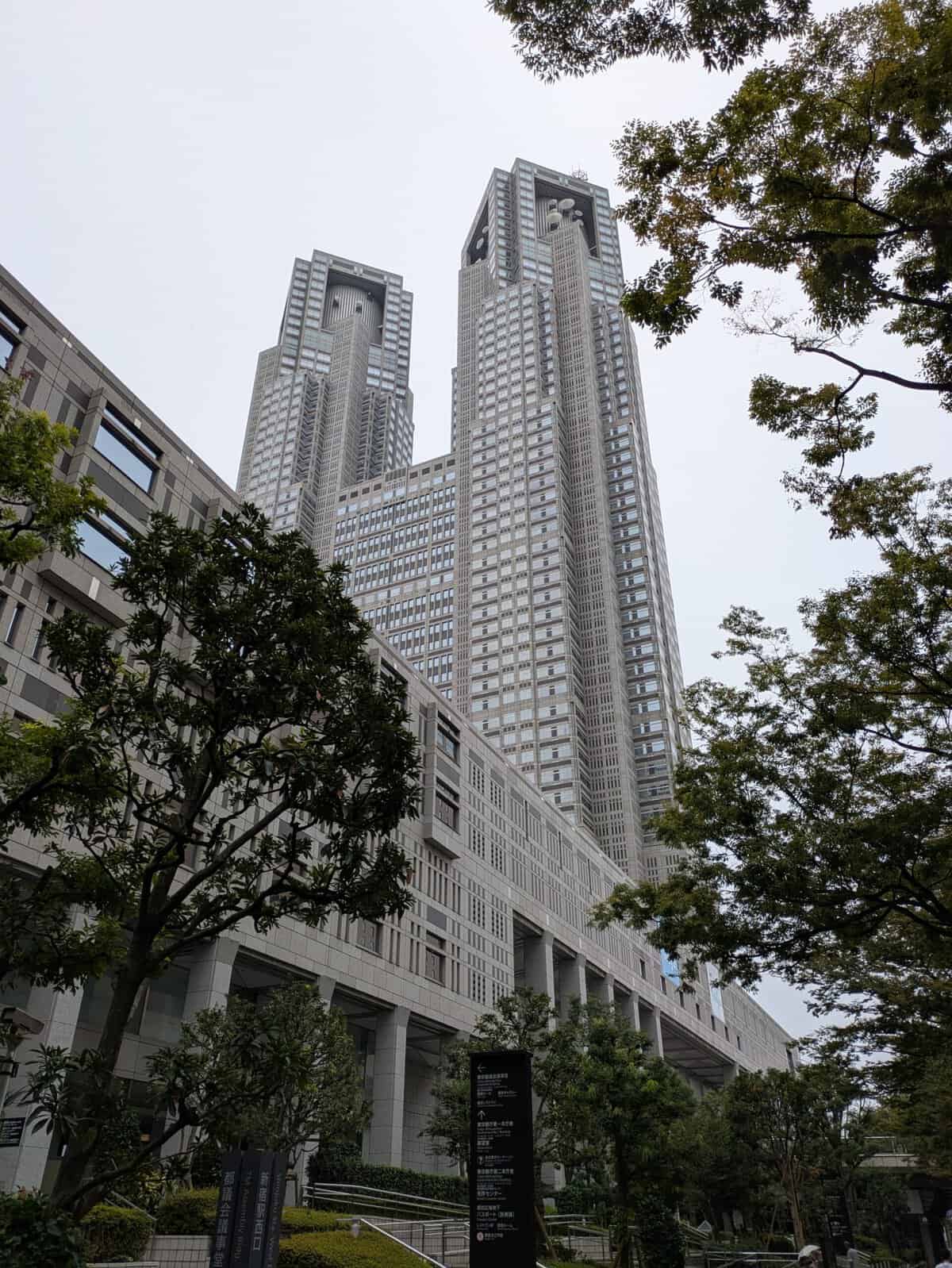
The observation decks on the 45th floor of the twin towers gives a panoramic view of all the Tokyo landmarks. Best of all, it is free! There was not much of a waiting time when I visited and I went once in the morning and once in the evening. The weather was not that great for distant views. One of the Towers is open till 10 pm. Added attraction is the light show in the evenings.
Kabukichō
This area has over 4k bars, restaurants, clubs and convenience stores many of which remain open till early hours of the morning. Very lively and very dazzling.
National Gyoen garden
It is rated high but I did not have time for a visit.
2. Shibuya
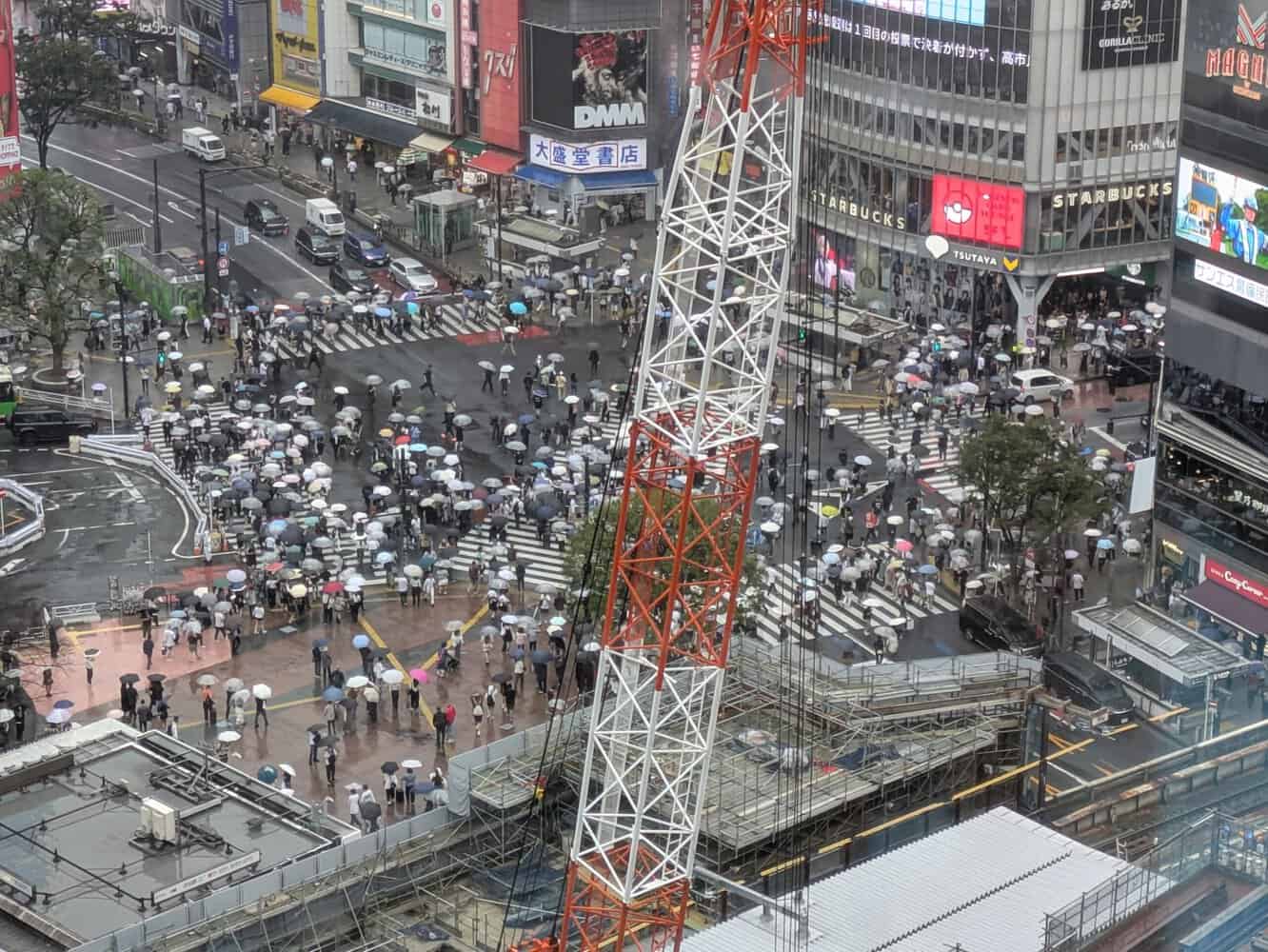
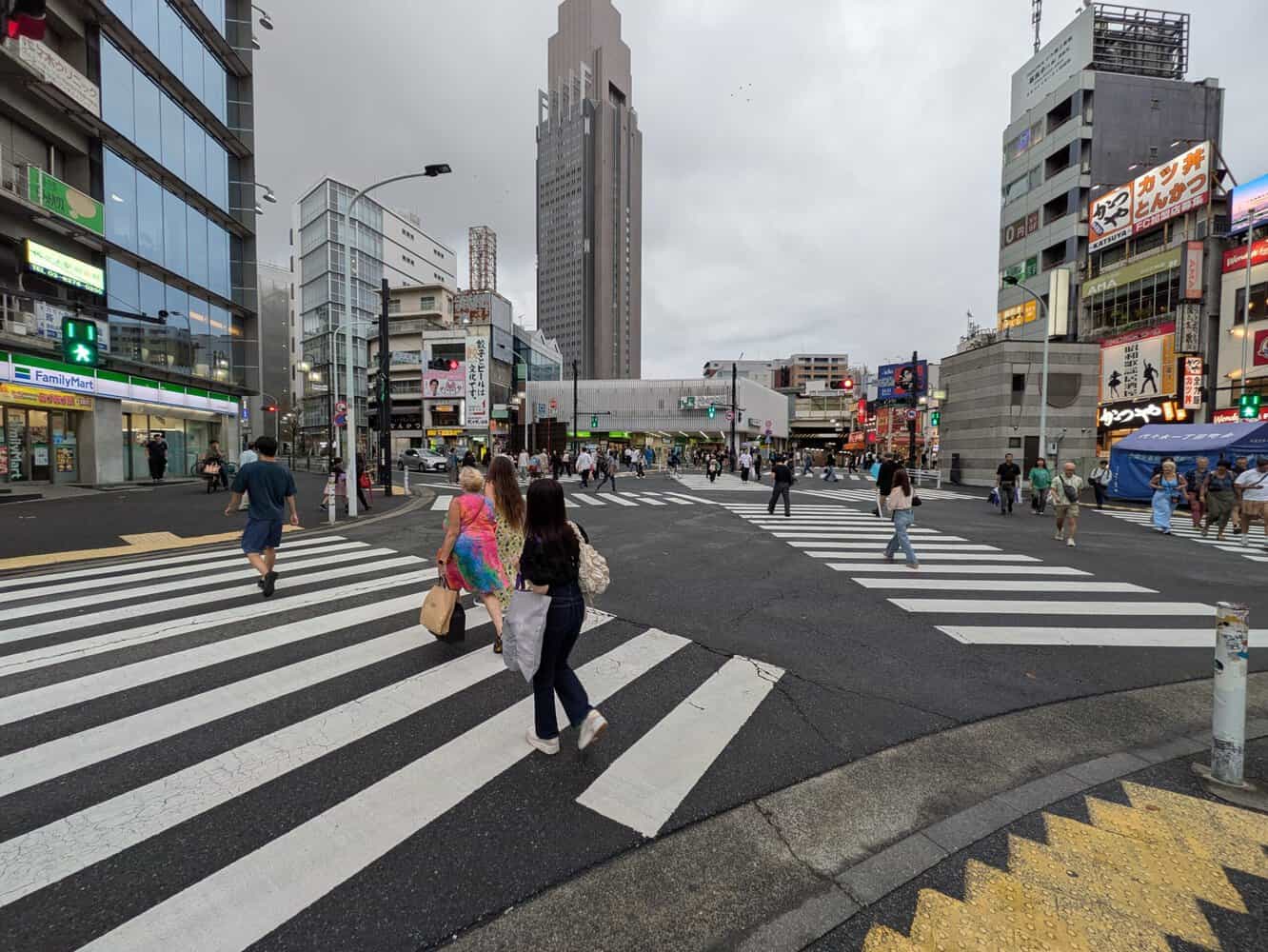
The famous Shibuya crossing is located here. Totally overhyped in my view and there is no real need to view thousands of people crossing multiple streets at the same time! Such crossings are quite common in Tokyo though the scale is smaller. If interested, get to the upper floors of the Shibuya Scramble Square(it is connected to the station and bus stop). Shibuya Sky, an observation deck offering a view of Tokyo skyline is located here but costs ¥3k in the morning and ¥3.7k in the evening. I just went up to the food court on the 13th floor that was free.
Nearby is the tube shaped Shibuya 109 mall, famous for latest trends in fashion.
Meiji Jung Shrine
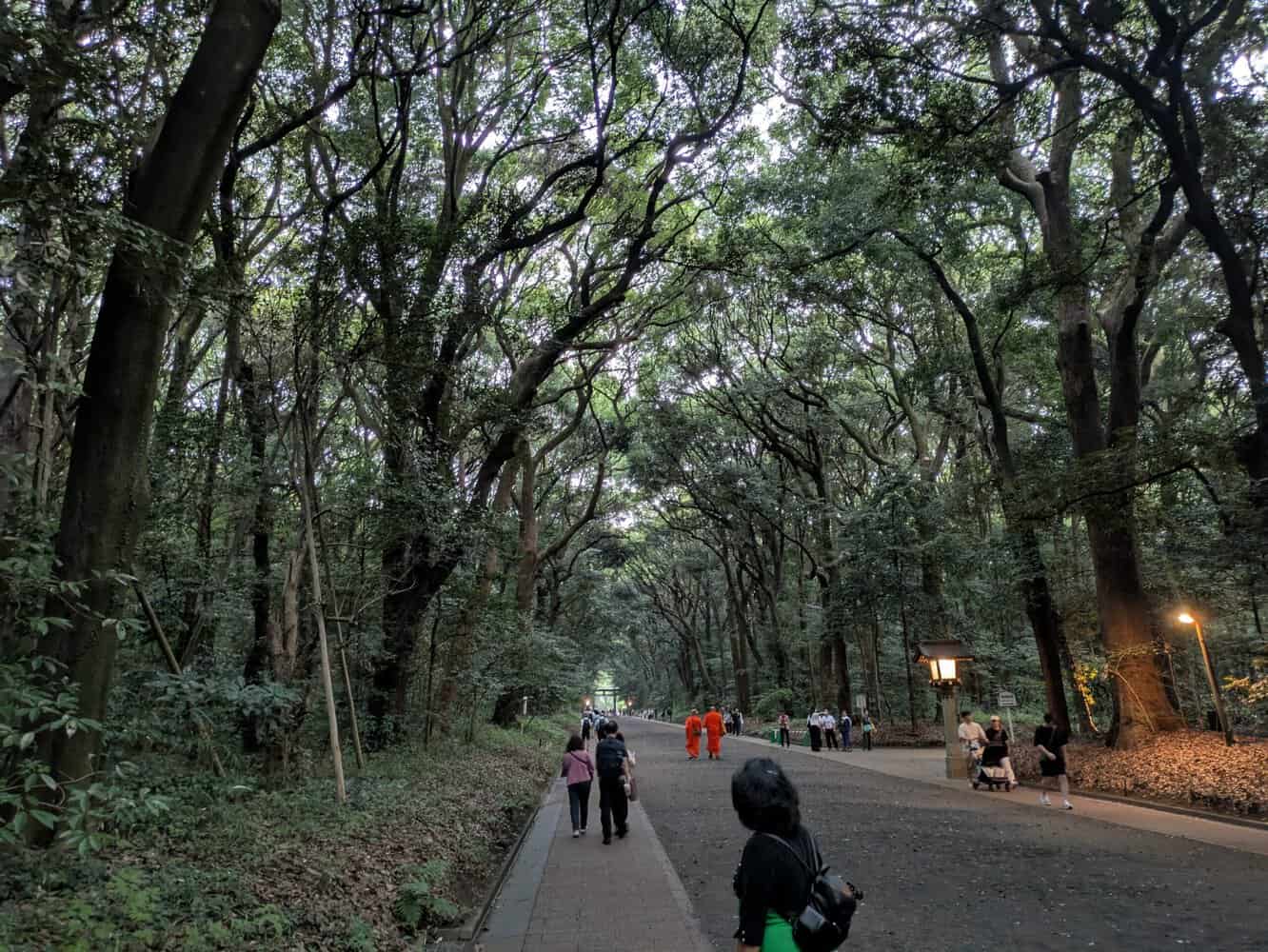
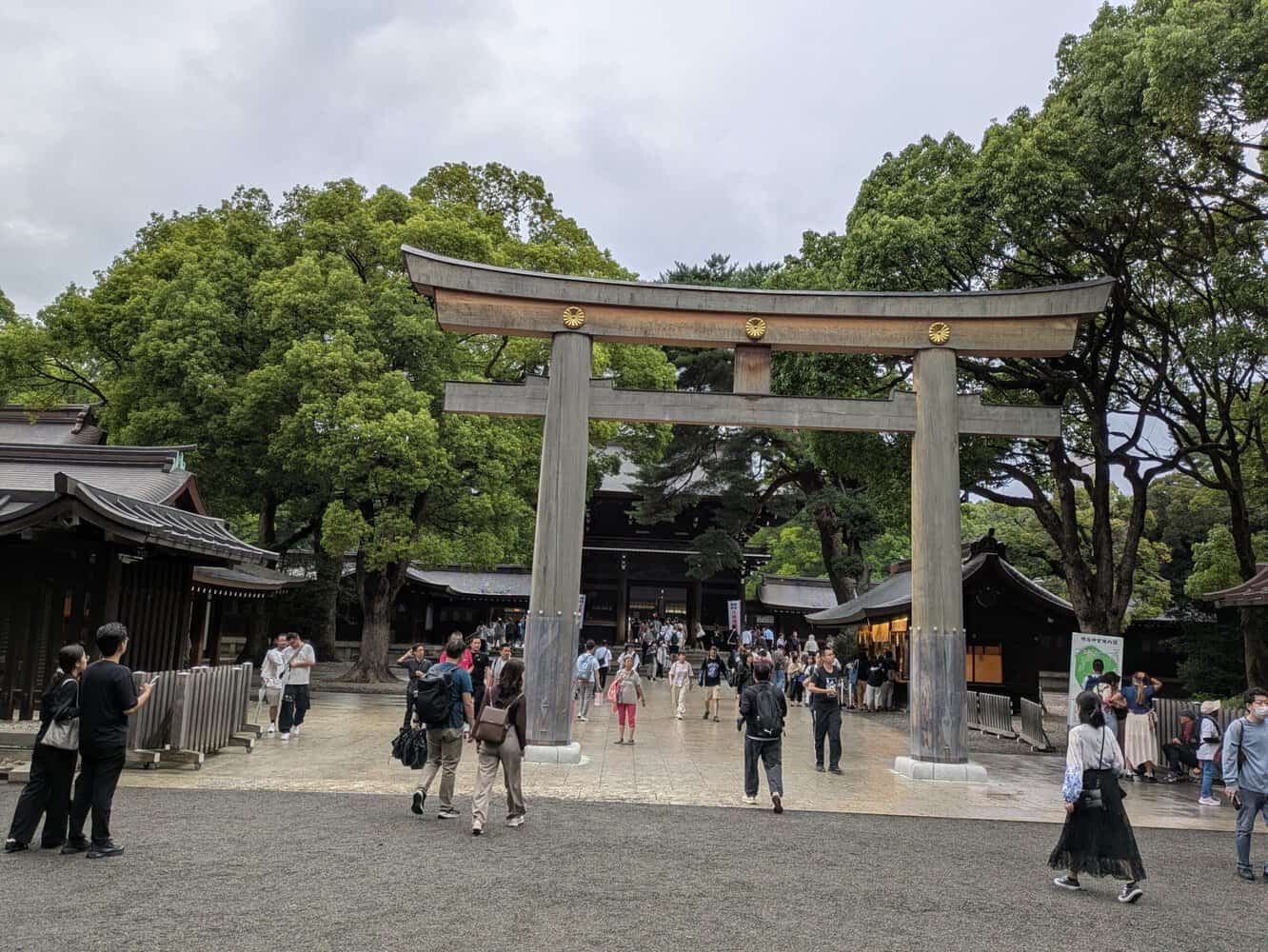
Another attraction is the Meiji Jung shrine located inside a beautiful park. It is a 20-25 minutes walk from Shibuya station towards Shinjuku and another 10-15 minutes from the entrance to the main shrine. On the way, I passed by a stadium(Yoyogi National First Gymnasium) built for the 1964 Tokyo Olympics. Other option would have been to take the JR Yamanote line train from Shibuya to Harajuku station located next to the shrine entrance.
Shibuya too is very lively and famous for its shops, malls and restaurants and is stated to be the hub for youth fashion. In hindsight, there is nothing very different about Shibuya. It can be skipped if time is short.
3. Asakusa
Asakusa is traditional and there is plenty to do here and in the nearby areas.
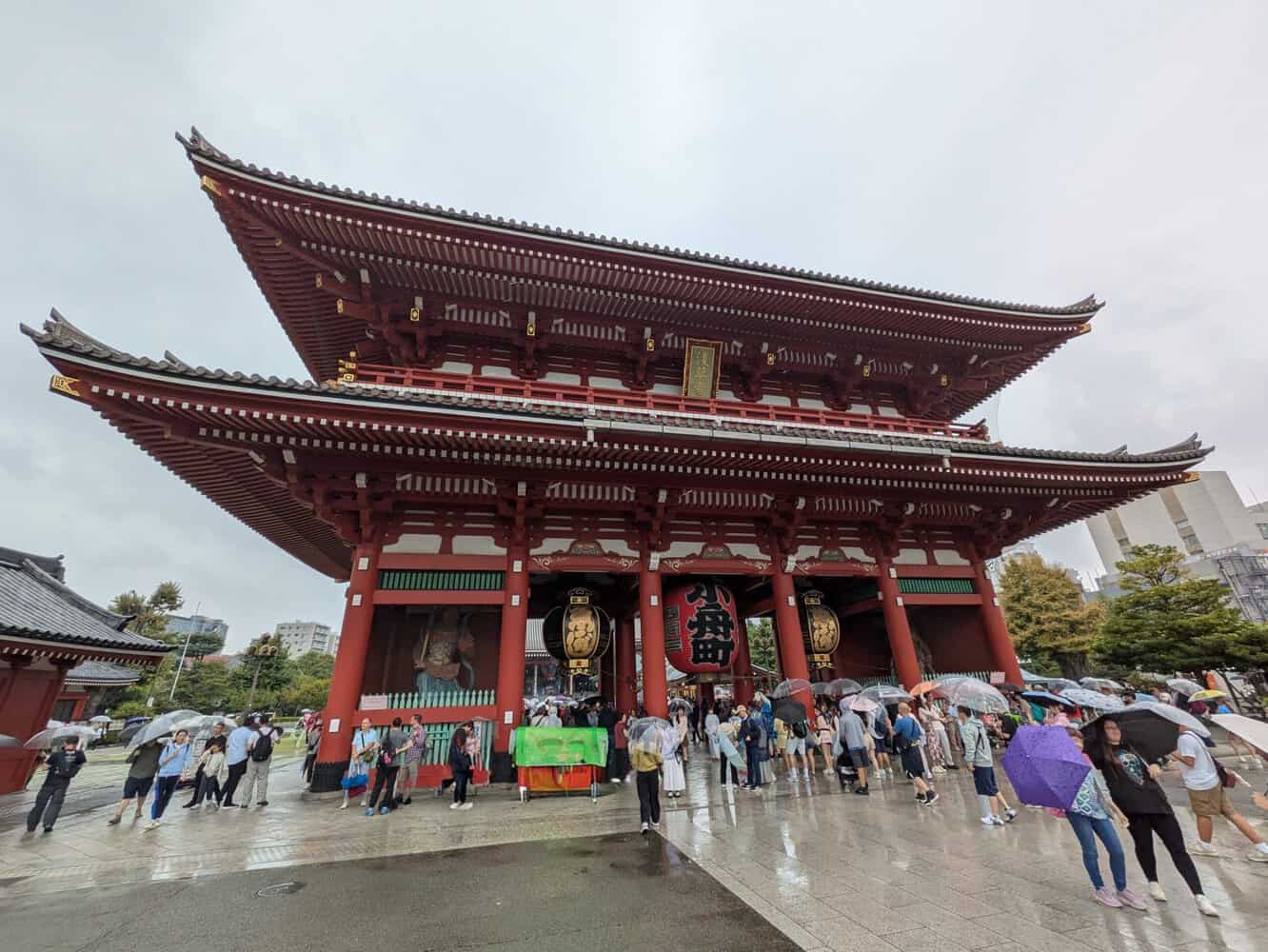
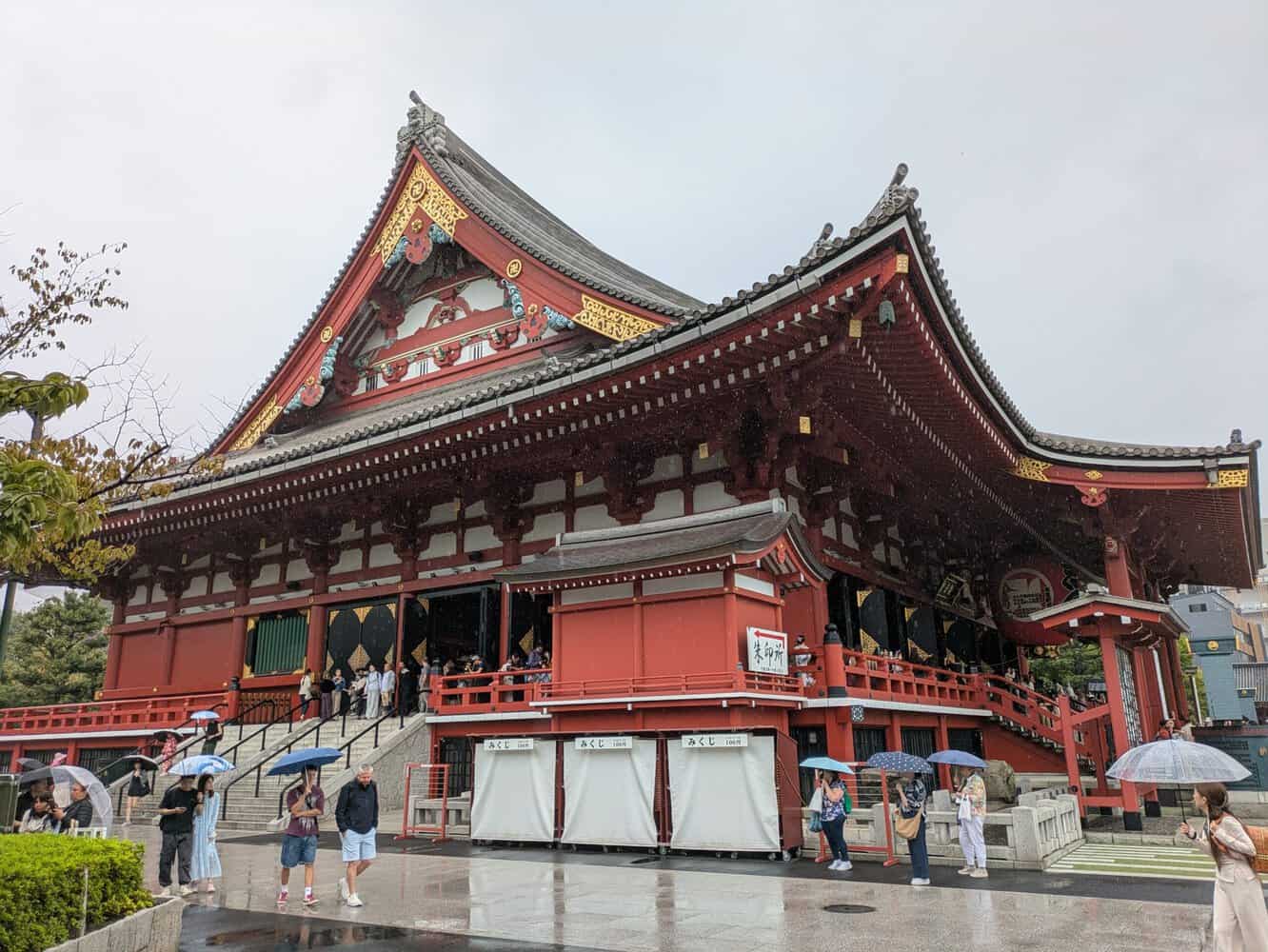
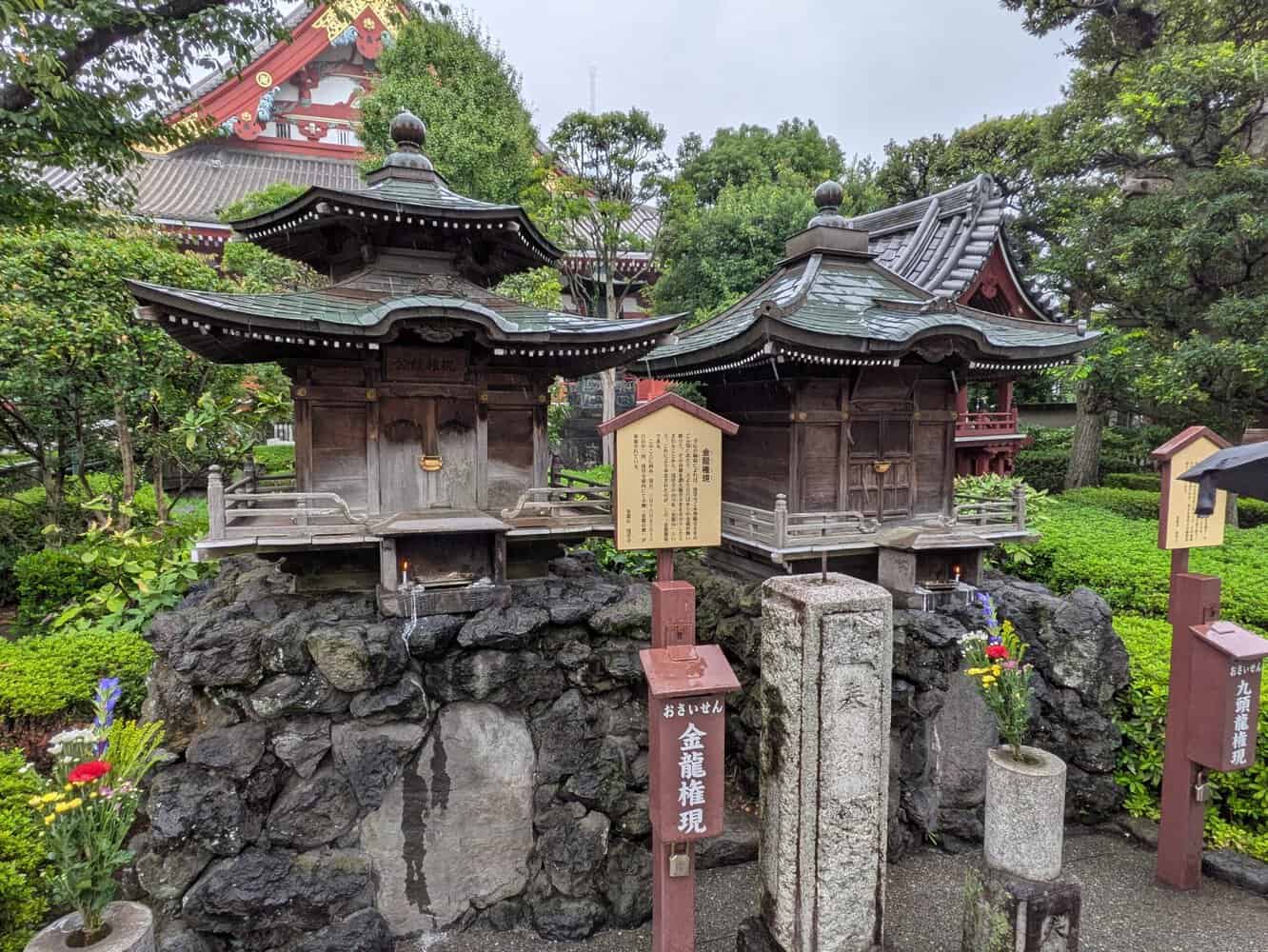
Senso-ji temple
Tokyo’s oldest Buddhist temple is among its top attractions. Located very close to Asakusa subway station, Senso-ji is a very attractive and photogenic temple The main entrance is through Kaminarimon gate near Tourist Information Centre while there is another one opposite the subway station. I reached the temple around midday and it was quite crowded, despite the light rain.
There is no entry fee. Senso-ji was the first temple I visited in Japan and that kind of set a benchmark. Barring couple of exceptions, none of the other temples that I visited later in Japan measured up.
Nakamise- dōri street
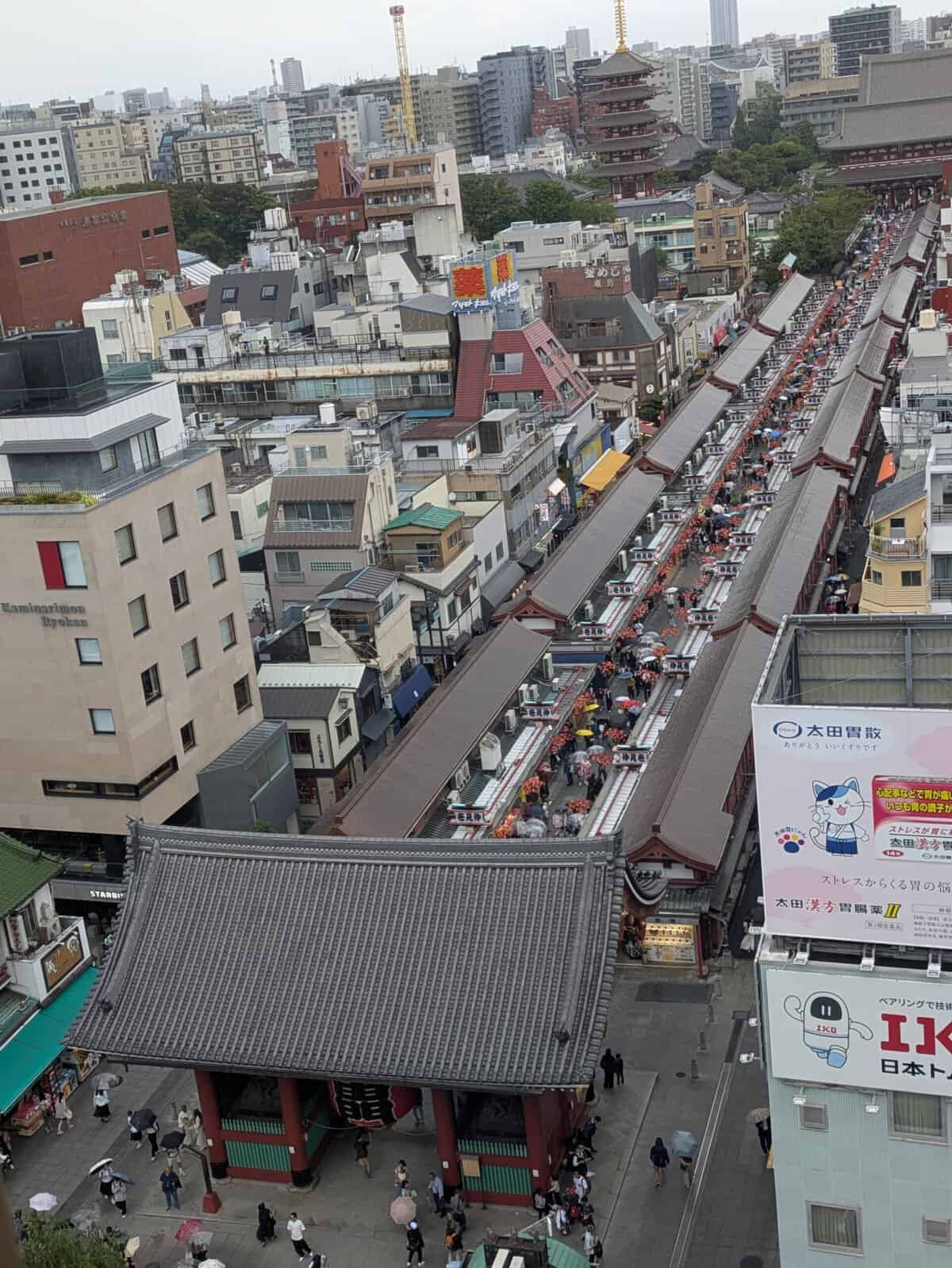
To get to Senso-ji temple, one has to walk through Nakamise shopping street from where one can buy souvenirs and a variety of other items, besides food and beverages. I particularly liked collection of bags, footwear, hats and so on. Prices are fixed but a nominal discount is reluctantly given if buying multiple items! I bought a few items and I thought they were all reasonably priced. Credit cards are generally accepted but cash was handy for smaller purchases.
View point at Tourist Information Centre
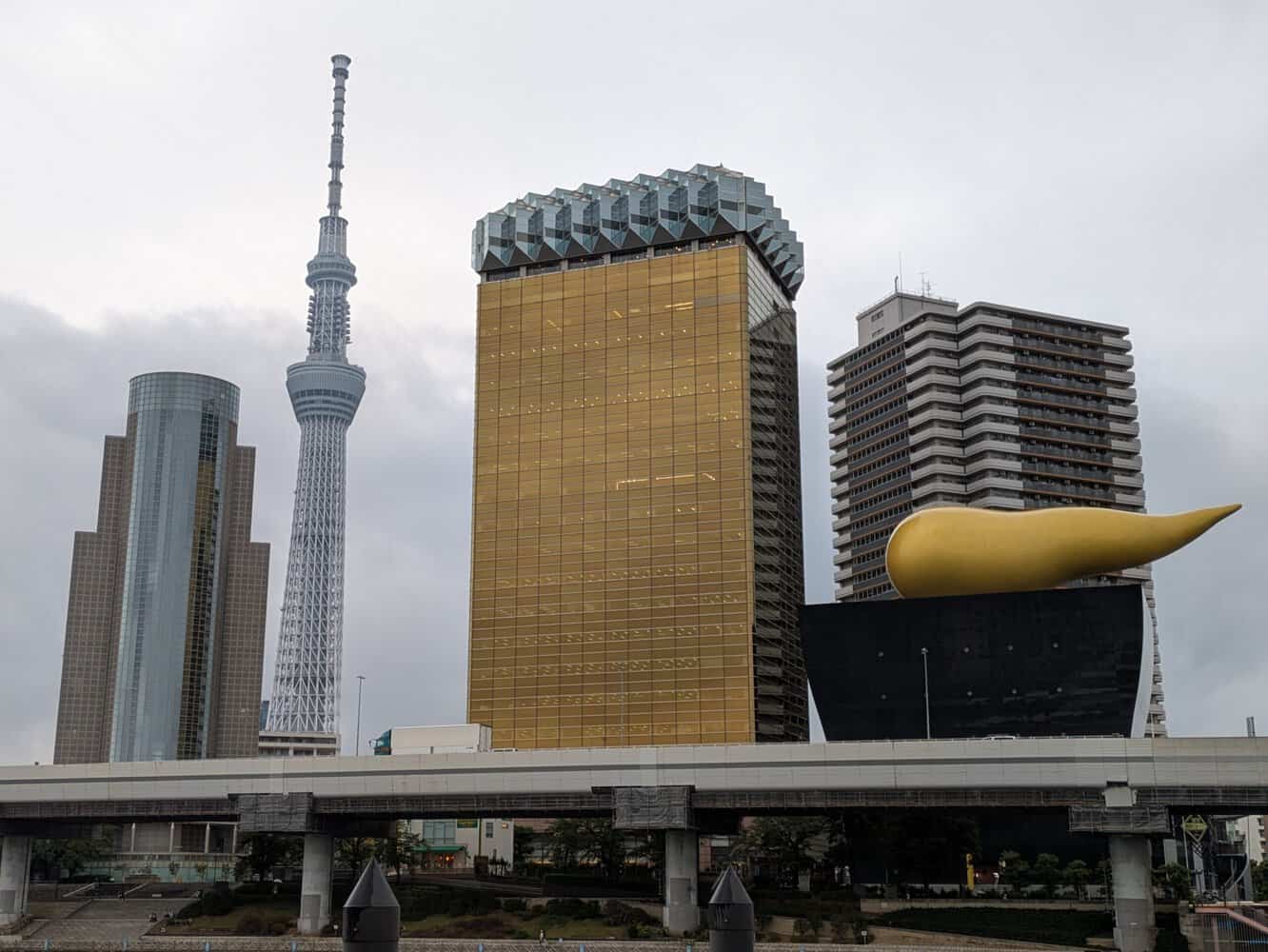
At the Asakusa Cultural and Tourist Information Centre, there is a observation deck on the 8th floor that provides fantastic views of Senso-ji temple complex, Asakusa area and the Tokyo Skytree. Access is free. The building too is a bit unique to look at.
River walk
The riverfront is a nice area for a stroll. I walked across River Sumida to the other side, hoping to get closer to Tokyo Skytree. The actual distance turned out to be more than what I could visually estimate and I returned without going the full distance as I had a boat to catch.
Boat ride to Odaiba
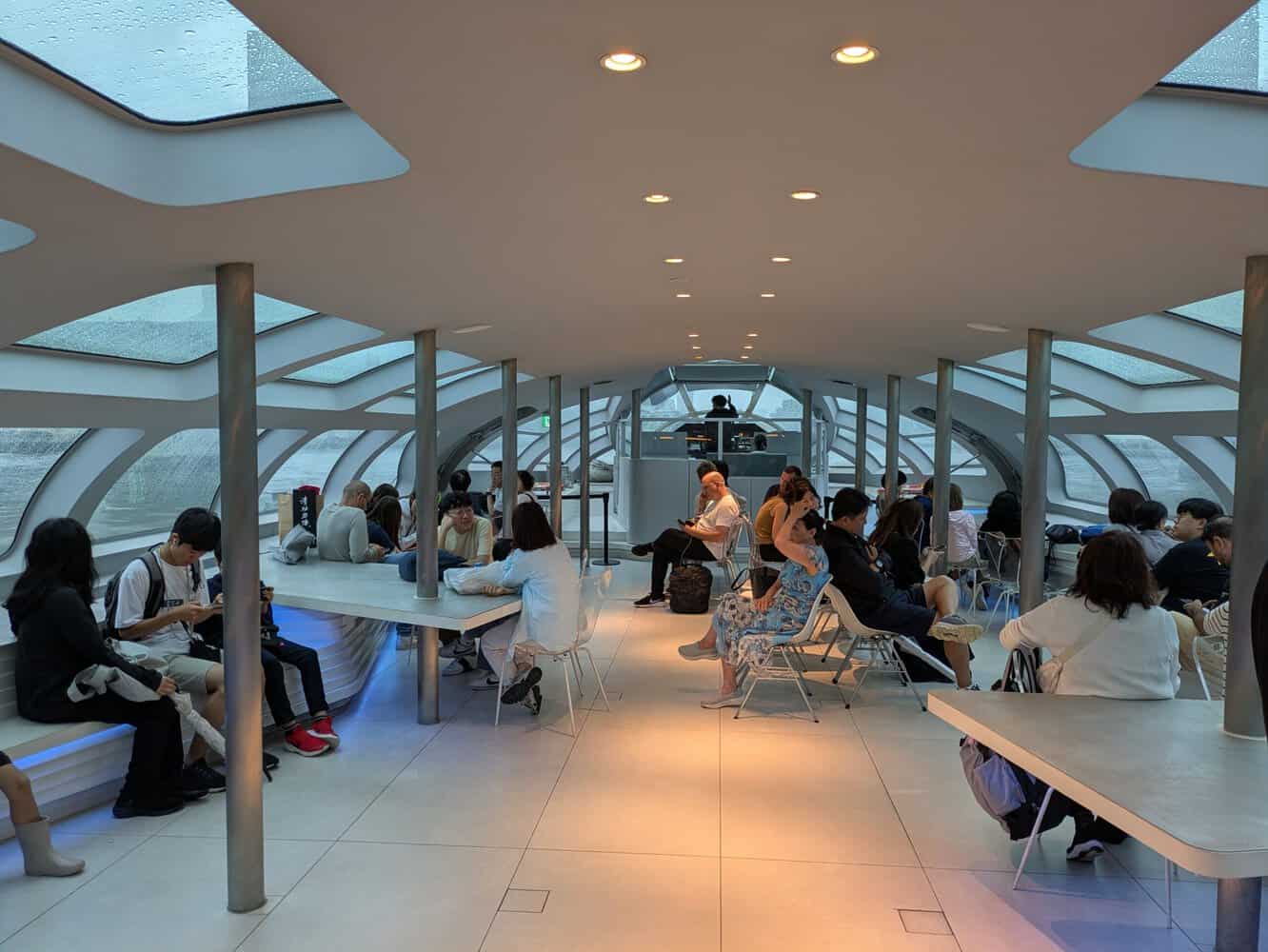
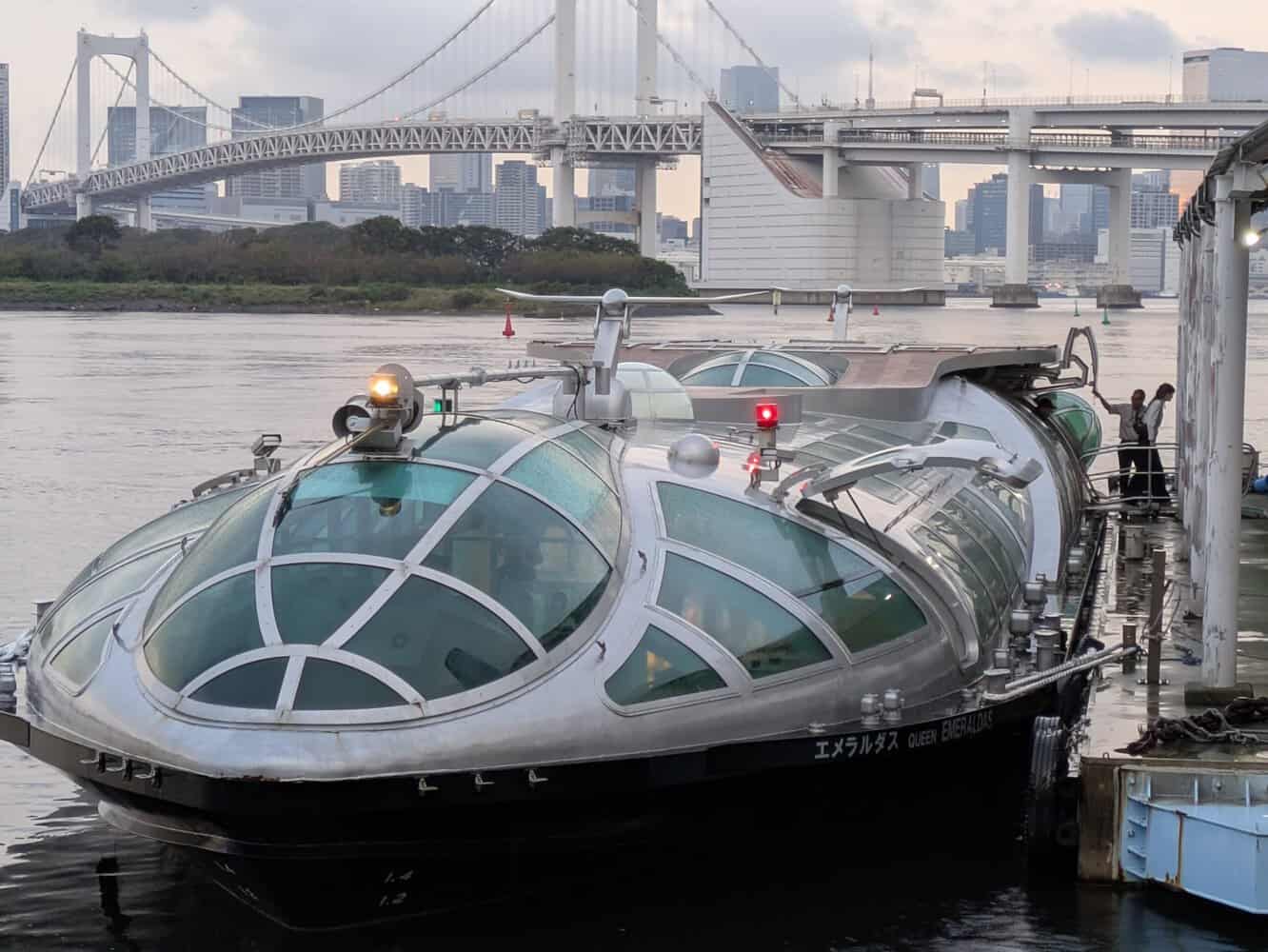
There are regular boat services to Odaiba and I took the last cruise from Asakusa, departing around 4.20pm. The boat looked like it was from a science fiction movie. The scenery was nice, starting with Tokyo Skytree at the beginning and Rainbow Bridge at the end. On the way, I was fascinated by the very narrow and small residential buildings dotting the river front before recollecting that Tokyo is an expensive city for real estate. The ride lasted about an hour and cost ¥2k per adult.
Other nearby attractions
These include the Tokyo Skytree, Samurai Ninja Museum, Ueno park, Akihabara and Ryogoku Sumo Arena.
4. Odaiba
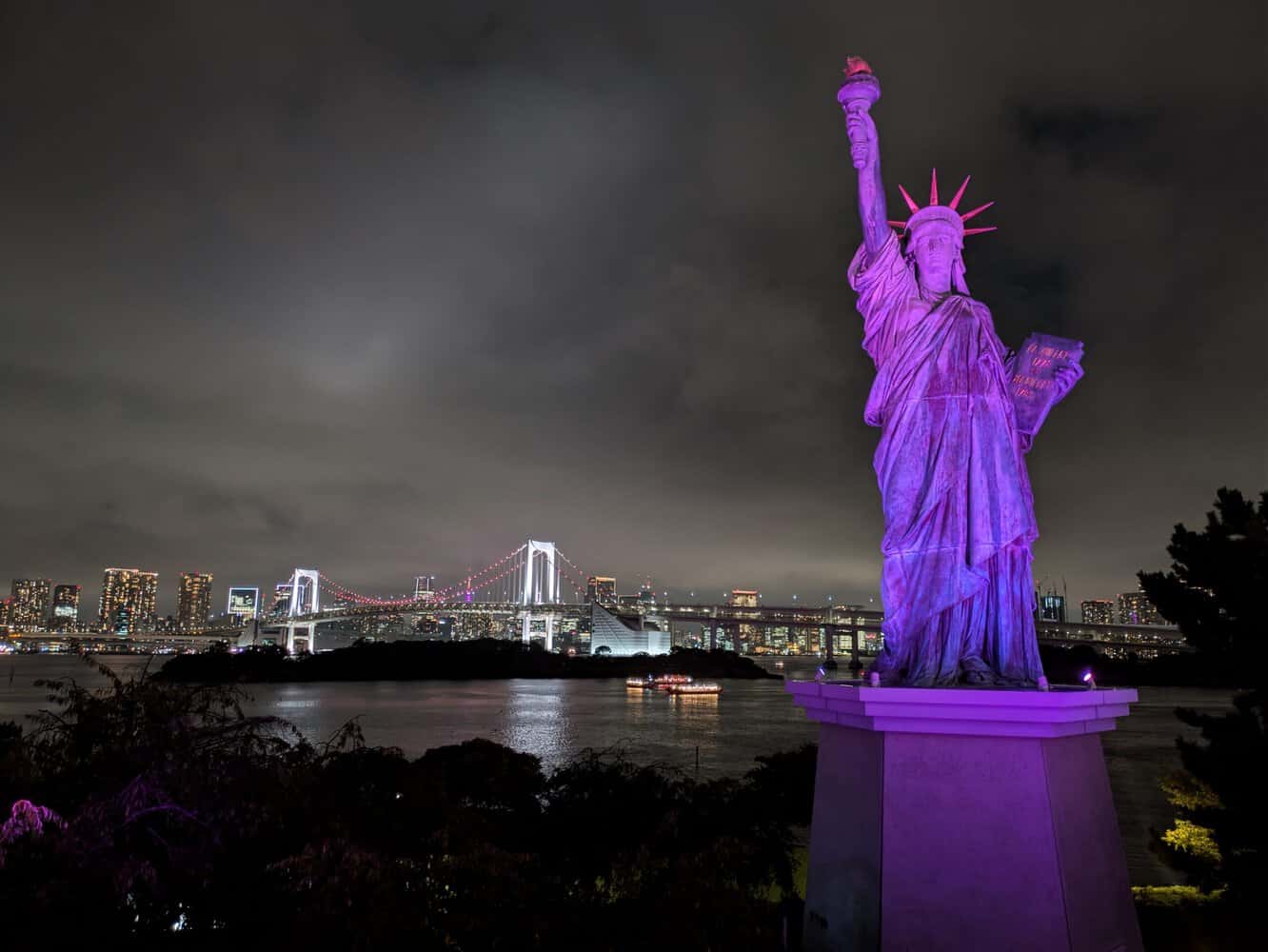
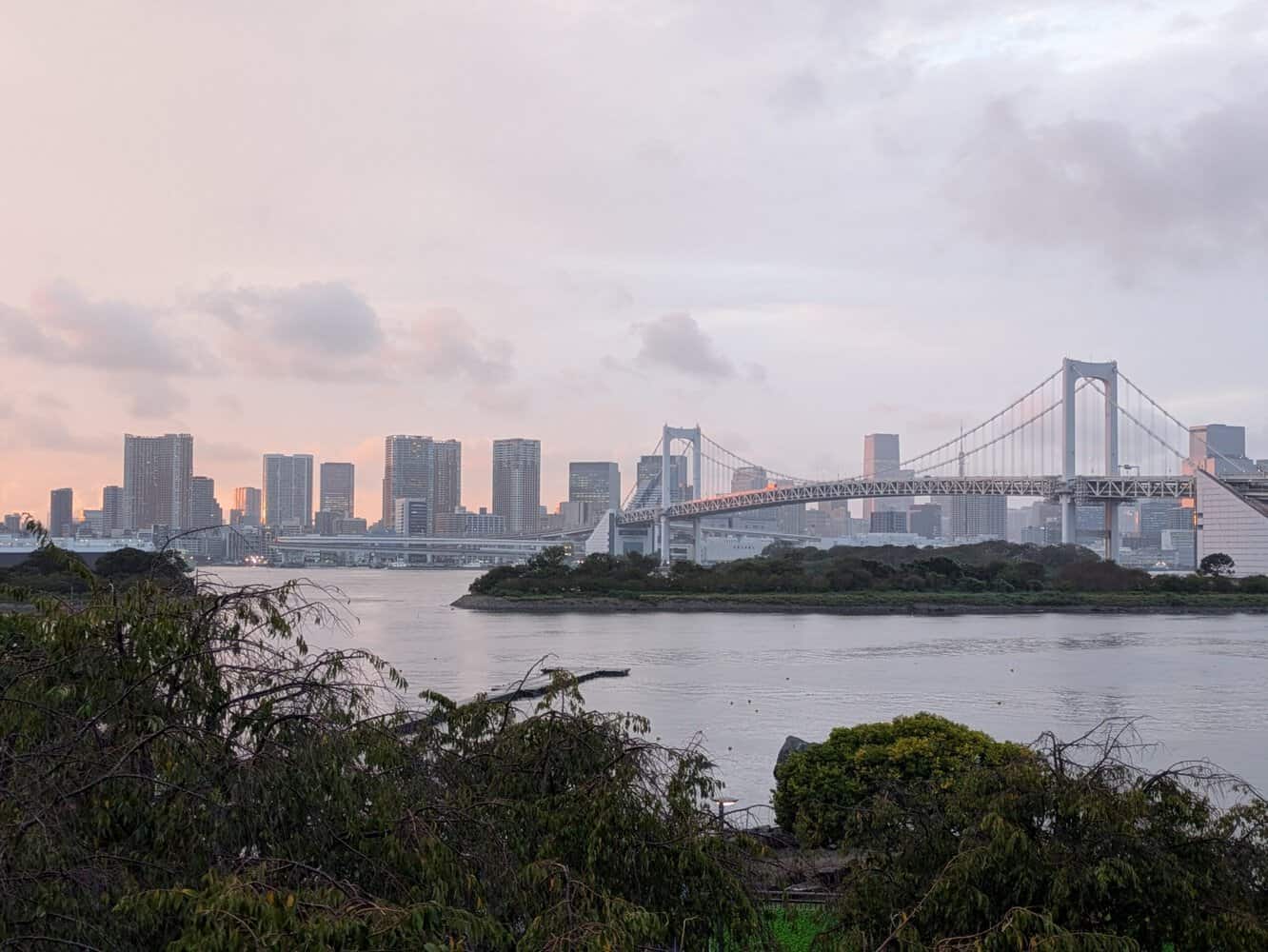
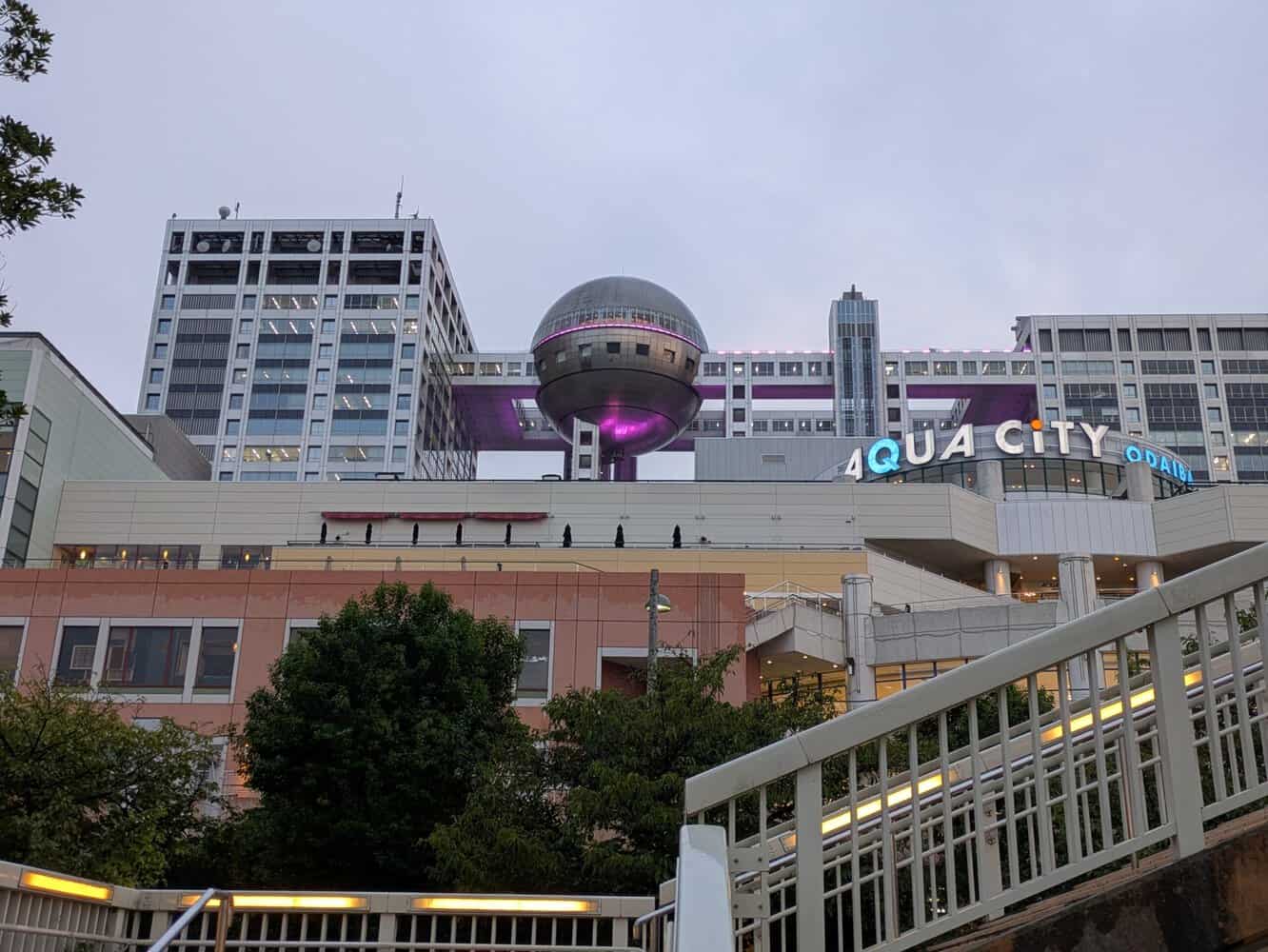
A reclaimed island, Odaiba is a futuristic, man made entertainment island in the Tokyo Bay. It is famous for its marine park with lovely waterfront views, a replica of statue of Liberty and mega malls with indoor entertainment. The big Fuji TV building has an observation deck but it closed at 6PM just as I got there. Anyway, there was no need to go up as the views of the Rainbow Bridge and the Tokyo skyline from the open area outside the Aqua City mall were equally impressive. There are 3 big malls and they are interconnected. I only visited the Aqua City mall, which looked good for shopping. Added bonus was the availability of vegetarian food that meant I could stay a bit late. Many of the restaurants and even Starbucks at Aqua City have waterfront views.
Another attraction in Odaiba is the highly rated Emerging Science and Innovation museum. The Science museum closes at 5PM. Then there is the Unicorn Gundam statue just outside Diver City Mall. The Tokyo International cruise terminal is also located in Odaiba but the ships were not visible from where I was.
Odaiba is served by two private train lines
Odaiba is only served by two private train lines – Yurikamome and Rinkai and one would need to connect to the Tokyo/Toei subway lines elsewhere. Luckily, it turned out that certain Rinkai Line trains go directly to Shinjuku and beyond on the JR Saikyo line.
5. Tokyo station area
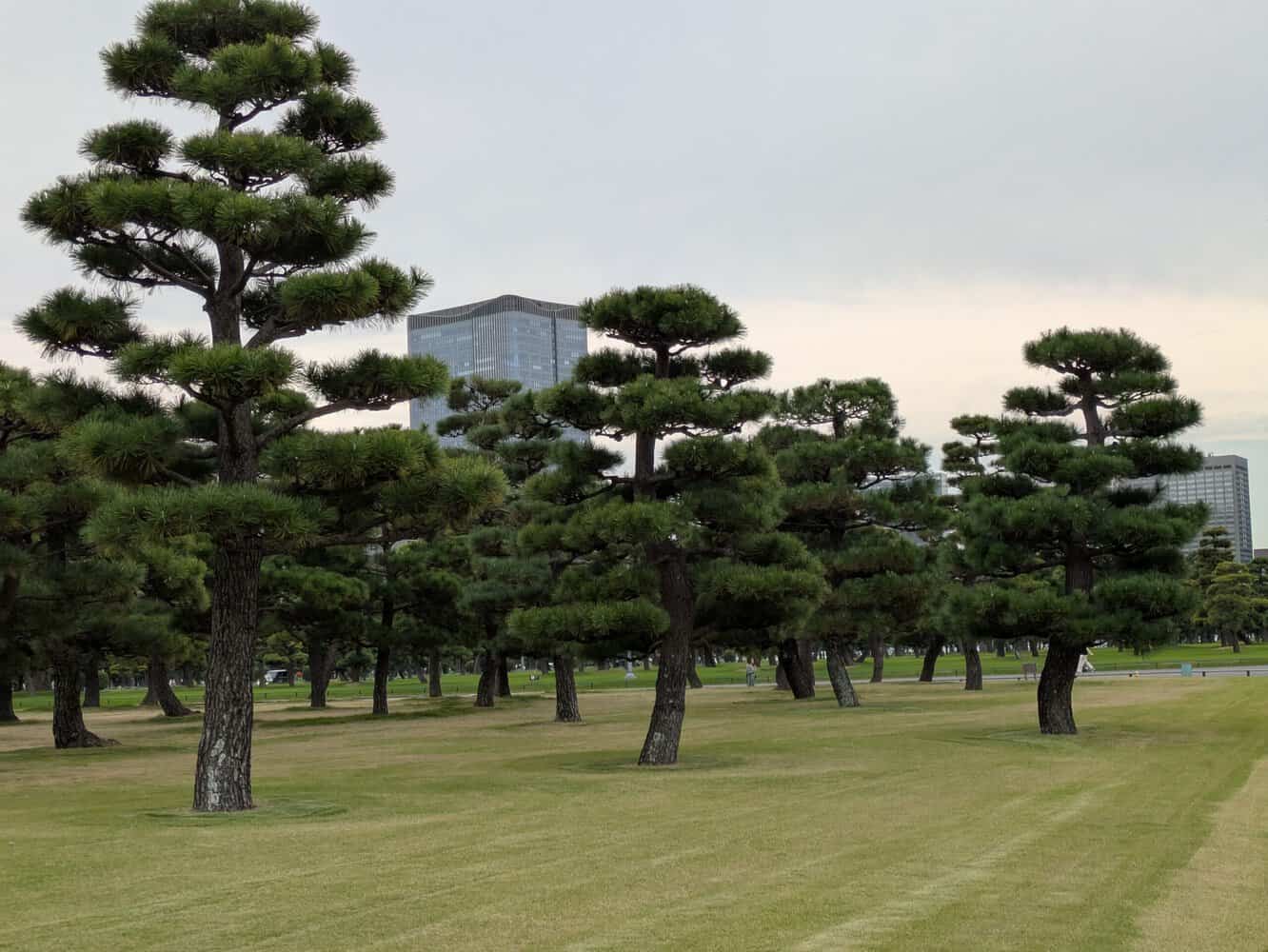
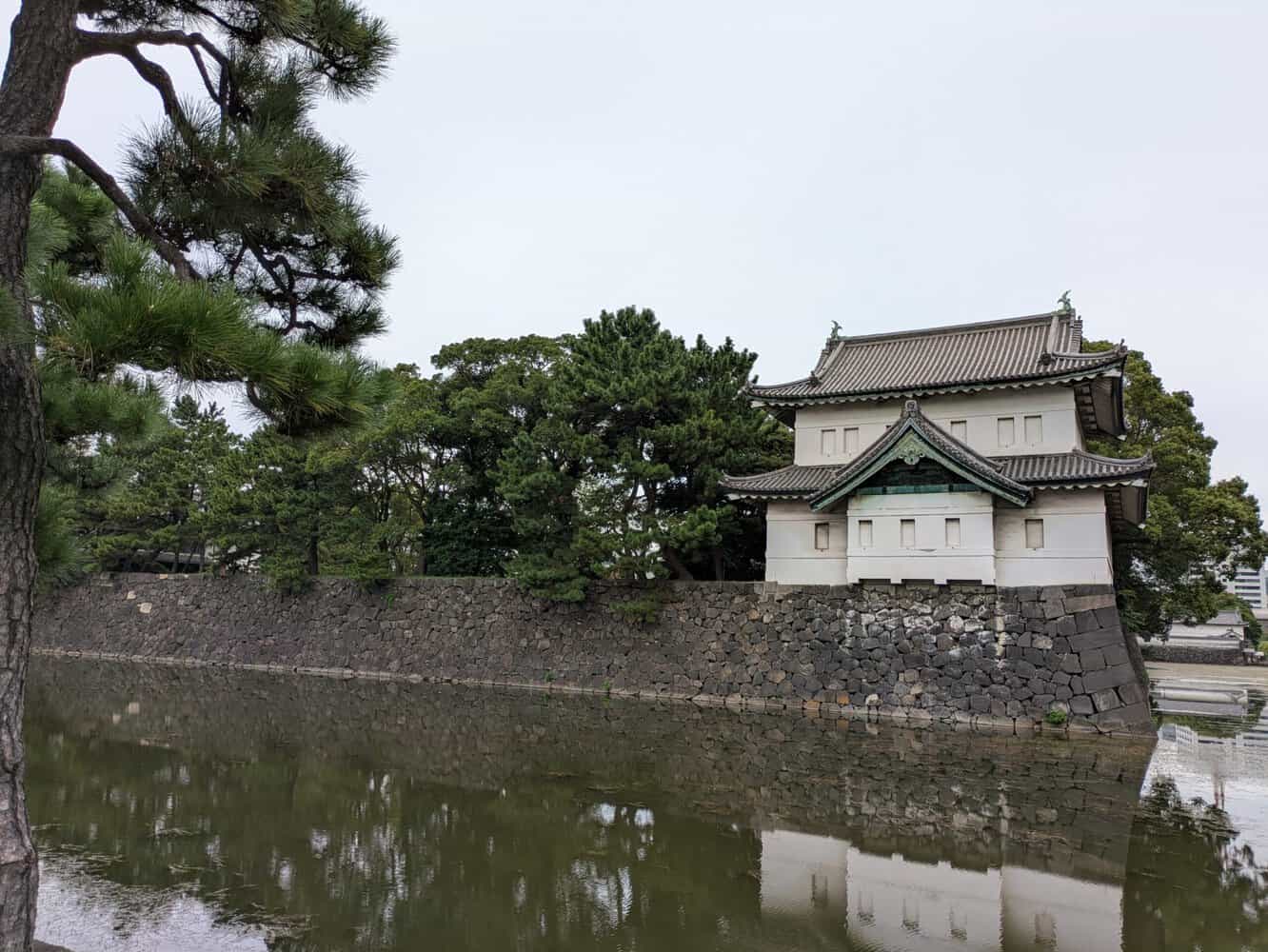
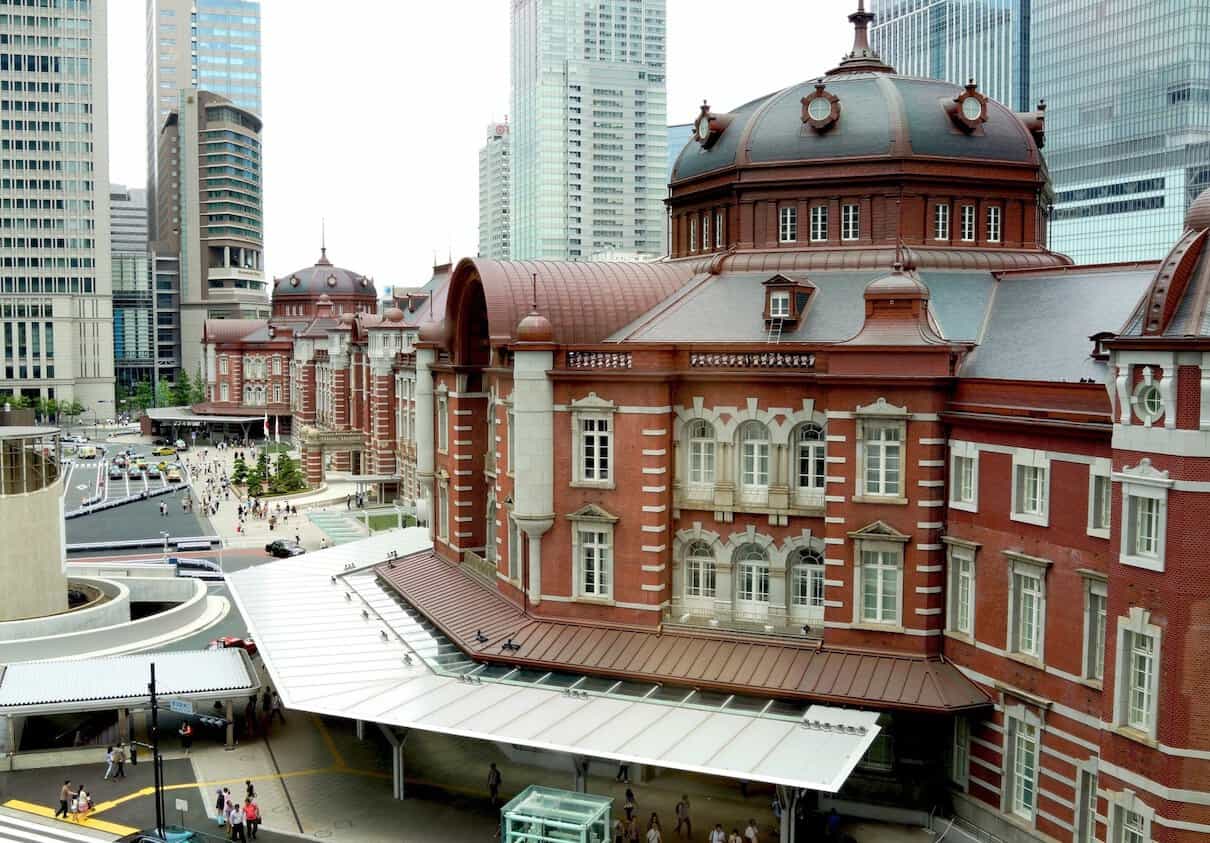
The Tokyo station building is actually a heritage structure that explains why it is so lovely. The building has been restored and sports a red brick façade. It is huge and has a number of shopping and dining outlets. The Imperial Palace is actually a fair bit of walk from Tokyo station but the neighbourhood was nice for a walk. There is a huge garden in front of the Palace with a lovely view of the surrounding buildings. A moat surrounds the Palace complex and nothing could be seen behind the stone walls.
The Palace is accessible via guided tours only that must be pre-booked. East garden is open to public but was closed on the day of my visit. I walked from Sakeshita gate to Otemon gate before heading to Otemachi subway station.
6. Observation decks
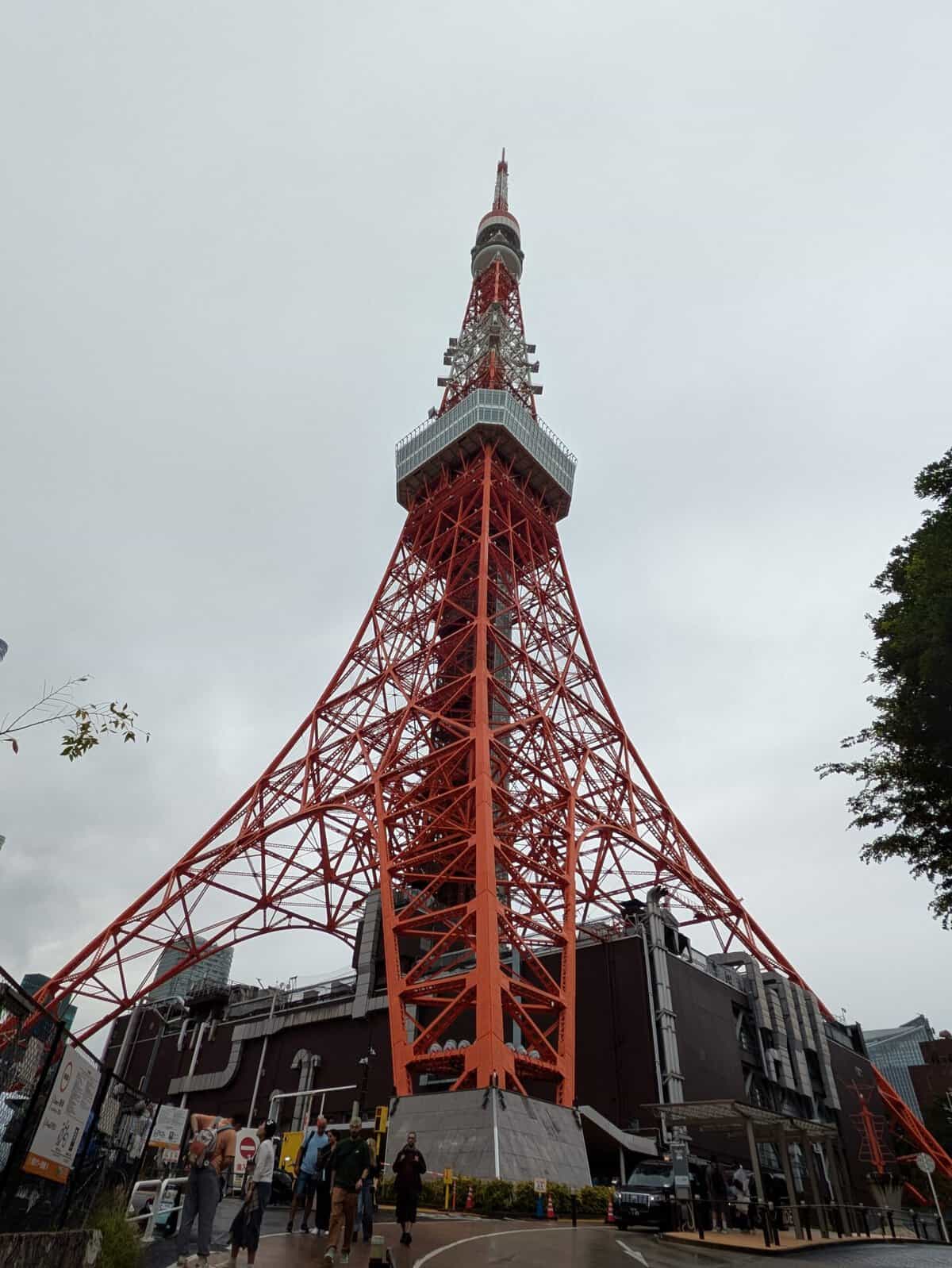
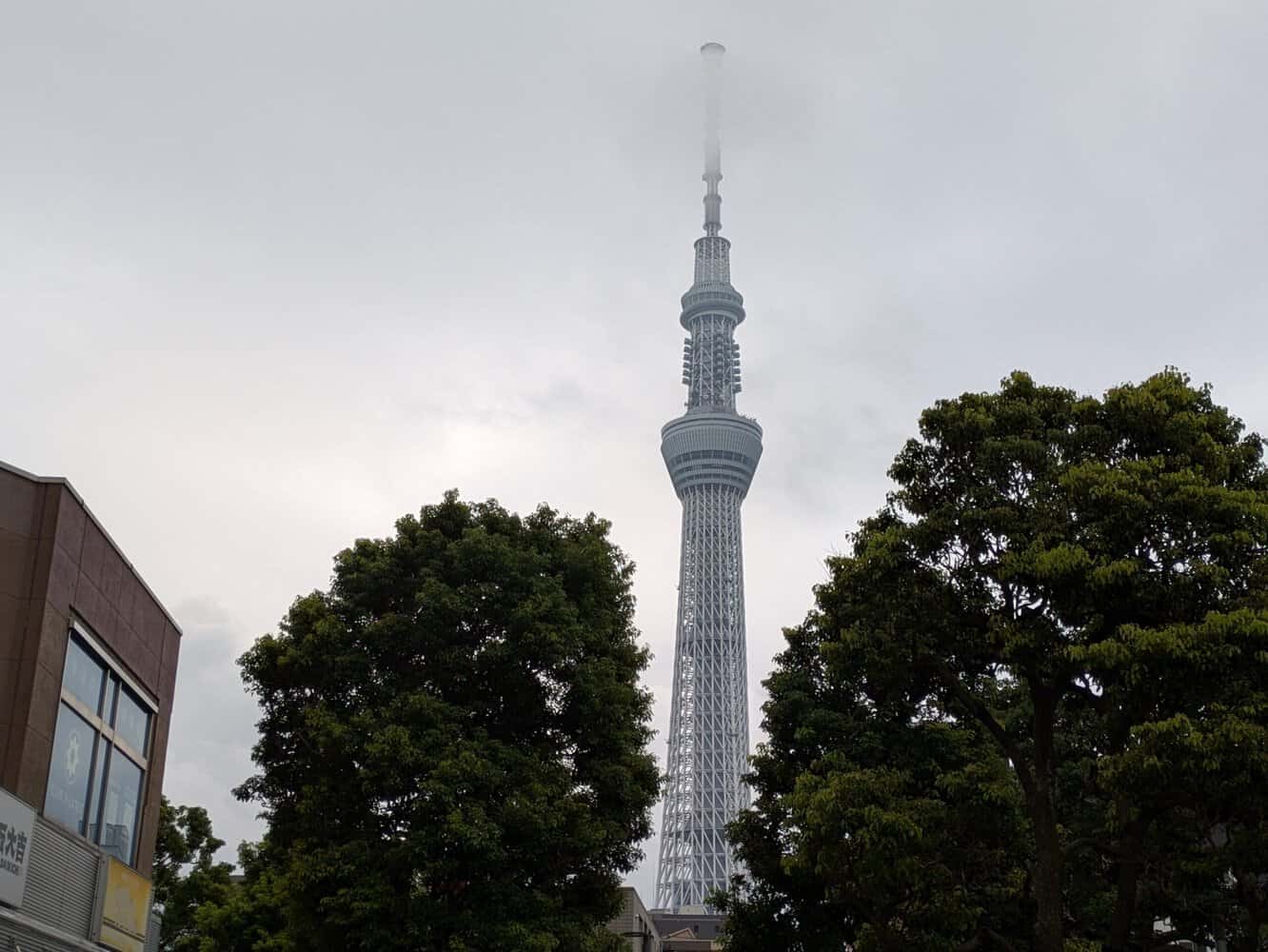
There are plenty of tall buildings and towers with observation decks including the more famous ones such as Tokyo Tower, Tokyo Skytree(the tallest in Japan) and Shibuya Sky. The cost is well above 2k per adult. Sunset times are very popular and advance booking is advised. Though I visited all the 3 landmarks, I did not go up to the observation decks partly because of the weather and partly because I chose to visit the observation deck at Metropolitan Government Building that was free. The views from Odaiba too were fantastic. Last but not the least, my hotel room was on the 26th floor and I had lovely views of the Tokyo skyline as the sun was rising in the morning as also under lights. Hence the disinterest to pay for the observation decks.
If I were to make a choice, I would prefer Shibuya Sky as the observation deck is open. It is not the tallest but the experience would be better than viewing through thick glass that often creates reflections and distorts photos.
7. Museums – teamLab Planets
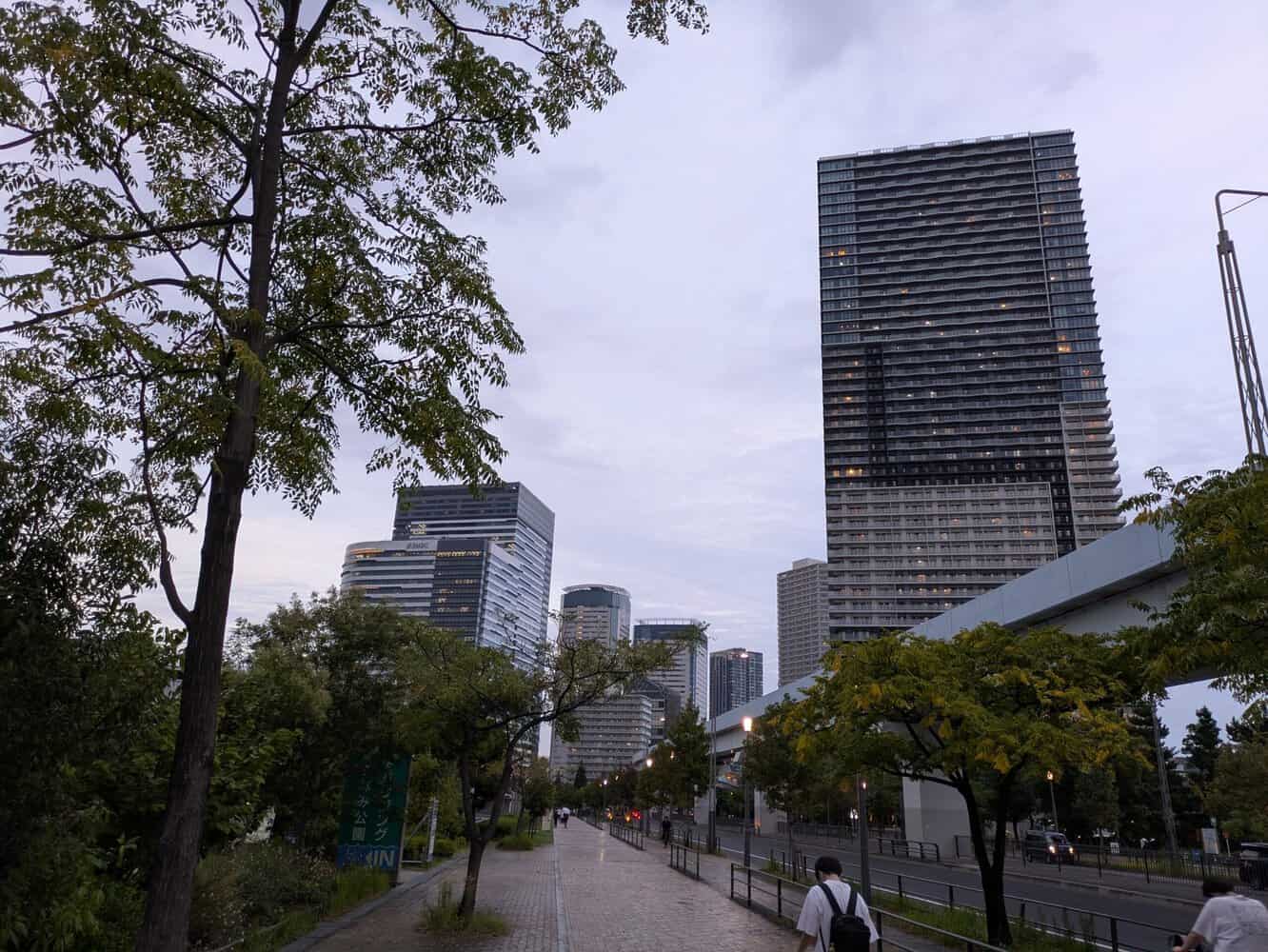
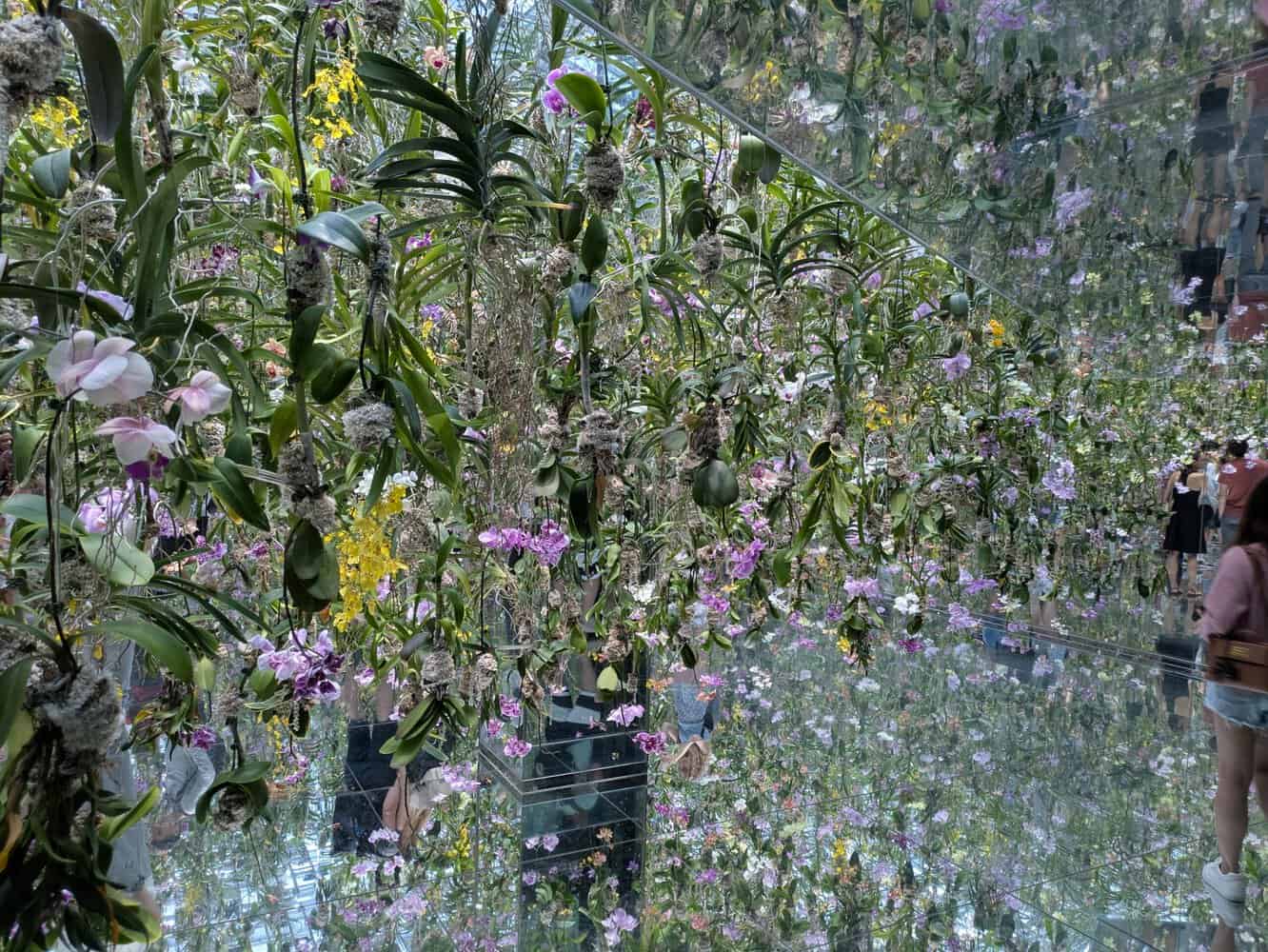
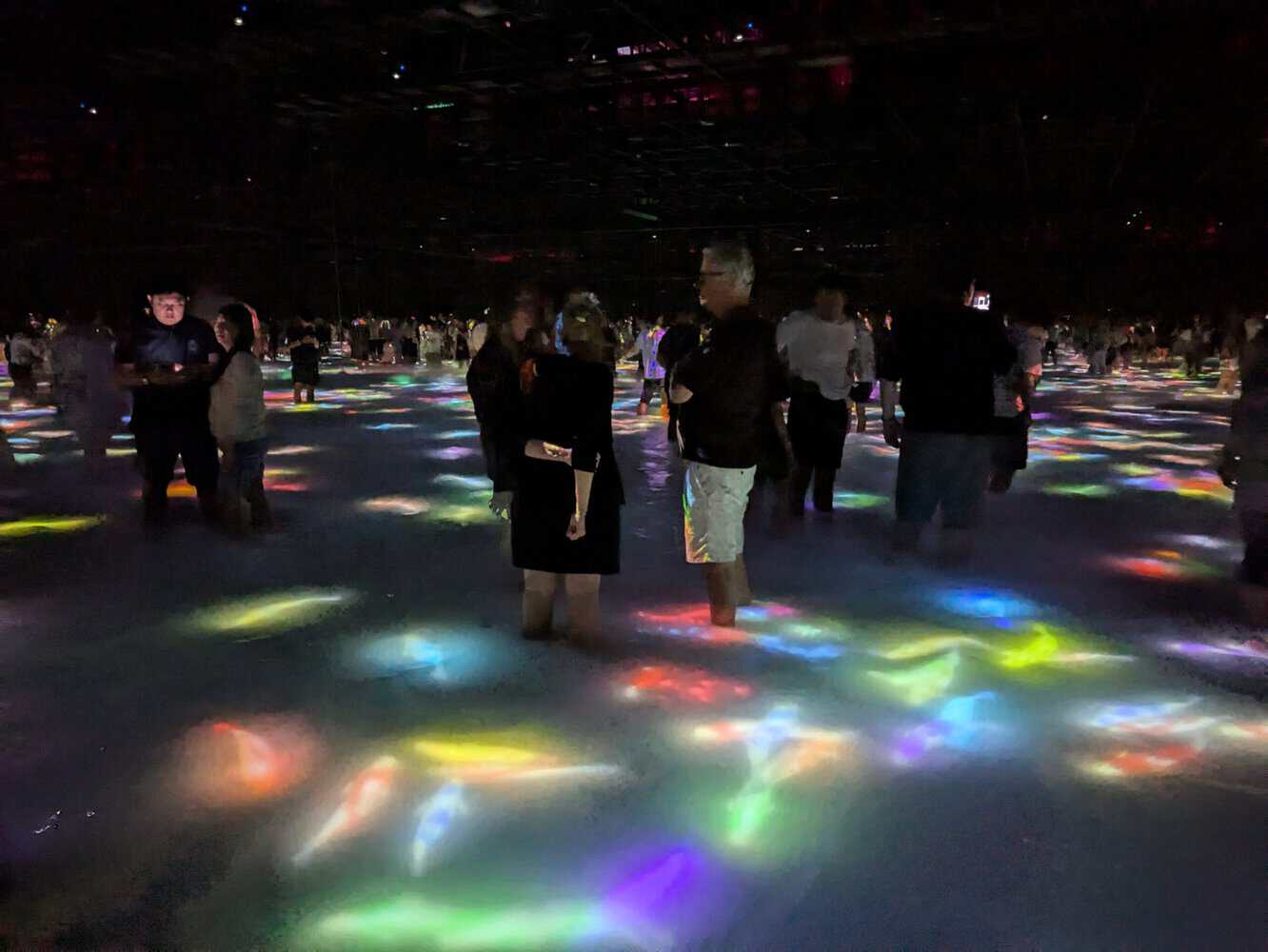
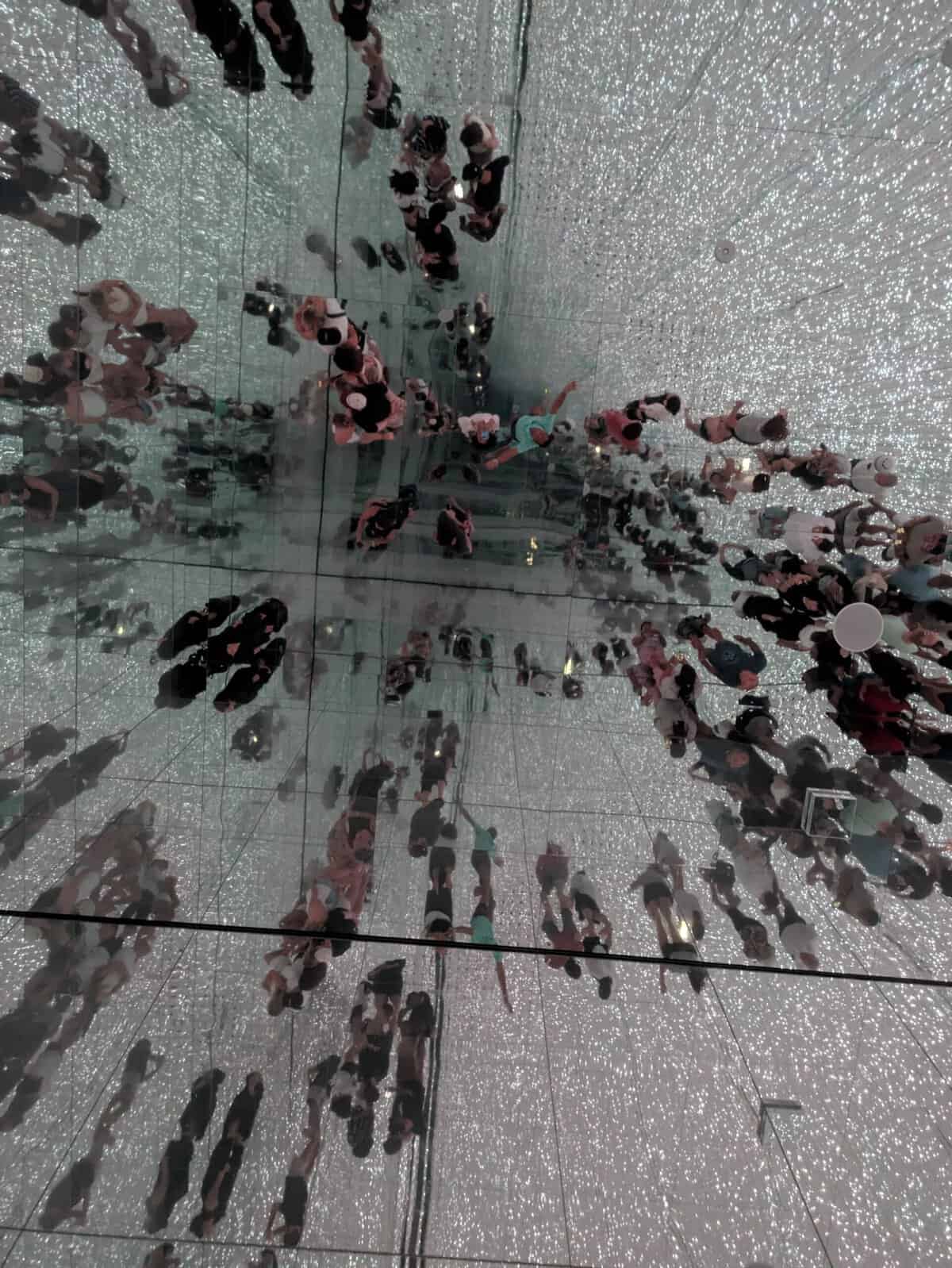
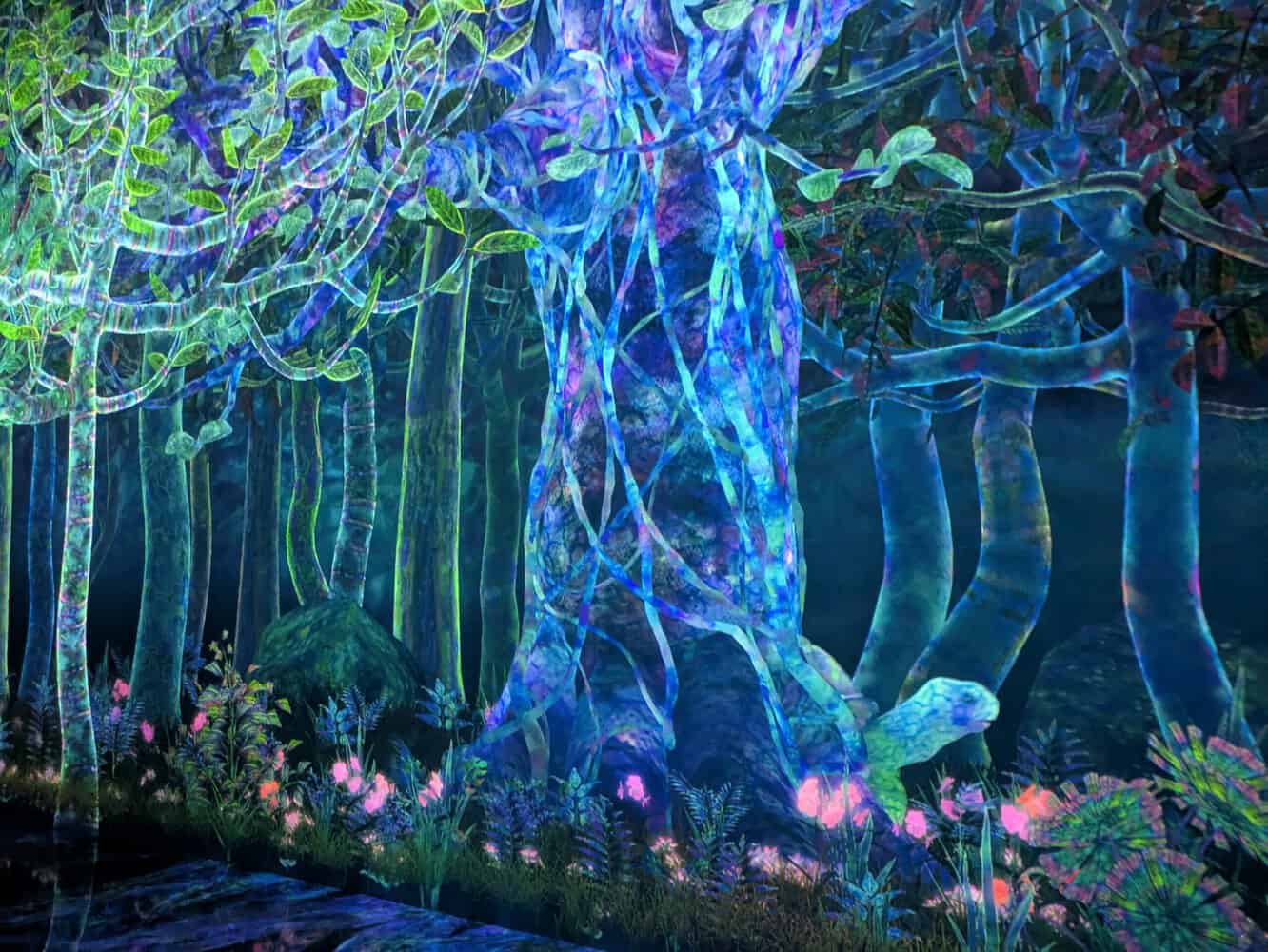
This is a museum with a difference. Wading through warm, shallow water with projected images of fish swirling around, the stunning crystal world, garden with variety of flowers and orchids on a mirror floor, activities for kids that even adults like me enjoyed and much more. Check out the website for details. Costs vary by the day and during the day. I paid ¥4.6k per adult for a 3.00 to 3.30pm entry and one can spend as much time inside as needed. I spent ~1.5 hours inside but families with kids will possibly spend more time indulging in various activities. The artwork keeps changing which is why the venue remains popular and the tickets can get sold out weeks in advance. Though I booked about 20 days in advance, I did not find convenient morning slots before noon.
Vegan counter at the Museum restaurant
TeamLab planets is located in Toyosu. I took the subway from Ginza station to Toyosu station from where it is a 15 minute walk through the residential colony. The Shin-Toyosu station is closer but that would require change of trains at Toyosu station and hence may take more time overall to get to the venue. The restaurant here serves vegan food and I had Ramen noodles that tasted great. It is located near the entrance and accessible both before and after entry into the Museum. I was also looking forward to a drink(tea, sake) at the Glass House while watching the art work but it was full and had a wait time.
There is another digital art museum called teamLab Planets Borderless. It is located not too far from Tokyo Tower and must be equally impressive, judging from the reviews.
Accommodation in Tokyo
I chose to stay at Shinjuku where there are plenty of options but the biggest problem was to find a room that is of decent size and priced reasonably, besides being walking distance from the station. Zeroed in on Hotel Gracery which is located in the heart of Kabukichō area and famous for its life-sized Godzilla head on the 8th floor terrace. The hotel is just under 10 minutes walk from Shinjuku station’s nearest exit. But take the wrong exit, as I did upon arrival by Narita express, and the walk with big suitcases becomes longer and inconvenient. Luckily, my onward journey from Tokyo was by Shinkansen and I opted to take a taxi to Tokyo station. The hotel itself is quite good and the breakfast buffet spread was excellent even for vegetarians. Cost me INR 30k(¥50k) per night. It is available at half that price in summer!
Kabukichō is very crowded but very pulsating as well. If you prefer a quieter neighbourhood, opt for Shinjuku west side or even Sanchome.
My locker contents were returned intact by Hotel Gracery
I normally place my passport and extra cash in hotel lockers. Since I needed the passport to get a print of the Rail pass, I only kept cash(USD, Euro, INR), priority pass and debit card in the locker. And forgot to take it on checkout. It was a week later, in Kyoto, that I discovered this while looking to encash Euros! I promptly called the hotel and after checking, they confirmed that housekeeping had deposited whatever they found in the locker and I would have to pick it up personally from the hotel.
Luckily, my return flight was from Tokyo
It was just as well that my return flight was from Tokyo. Instead of going directly to Narita airport from Hakone, I made a slight change going to Shinjuku first and then to Narita. After checking my ID, the hotel returned everything to me. I have nothing more to add but I have no doubt this would not have happened in most places around the world.
Food
B-Grade gourmet
This is a unique concept in Japan that refers to high quality affordable food. Tokyo has a large number of outlets, including 5k + Ramen and Udon shops, that focus on only one thing – but made with quality ingredients and priced from ¥300 to ¥1000. Almost all are non-vegetarian though vegan options can be found. The rule is order, eat and leave. No chit chatting or hanging around. This is why the queues at many of the outlets get cleared very quickly.
Vegetarian food
Shinjuku has lot of choices including Indian, Subway, restaurants like Tom Boy that served global cuisine, select Japanese restaurants, Pizza joints etc. At Asakusa, very close to the subway station, there is a Nepalese restaurant called Himalaya where I had a decent set meal(¥1400). At Odaiba, there is an Indian restaurant and Taco Bell at the Aqua City Mall. TeamLab Planets has a separate vegan food counter where a bowl of Ramen noodles cost ¥2k. One can also find vegetarian options at larger stations like Shinjuku and Tokyo.
Typical cost of a meal for a couple with a drink was JPY ¥5-8k. Outlets like Subway and Taco Bell were generally lower than ¥5k.
Michelin star restaurants
Tokyo has most number of Michelin star restaurants but that hardly helps a vegetarian like me. Anyway, while I love trying out new items, I am sure I would not normally wish to spend ~¥15k per person in a Michelin star restaurant eating something I may or may not enjoy. But if I had stayed for another day or so in Tokyo, I would have researched and visited one of the more reasonably priced Michelin 1 or 2 star restaurant for lunch. Dinner is normally more expensive.
Plenty of convenience stores
Tokyo neighbourhoods are full of convenience stores such as 7 to 11, Lawsons and Family Mart. One can buy a variety of stuff here, sometimes enough to skip a meal. Google Translate was invaluable in reading the ingredients list. The unwritten rule is that if you buy any eatable, consume it just outside the outlet or find a suitable place. Don’t have it while walking or in the train/subway.
Shopping
Tokyo is great for shopping. I shopped mainly at Shinjuku, Nakamise Street, Aqua City mall and Ginza, besides couple of shops I encountered at subway stations. I avoided western brands that were expensive anyway and focused on local brands manufactured in countries like Vietnam or China.
How many days in Tokyo?
I spent 5 nights in Tokyo and my itinerary was as follows:
- Day 1 evening – Shinjuku
- Day 2 – Asakusa, Odaiba
- Day 3 – Nikko day trip
- Day 4 – Imperial palace, teamLab Planets, Ginza, Shinjuku
- Day 5 – Metropolitan building, Tokyo tower, Shibuya, Metropolitan building.
- Day 6 – morning departure
If I had another day, I would have opted to visit Ryogoku Sumo Arena, Shinjuku Gyoen National Garden, Science museum in Odaiba and maybe Akihabara as well. I would also have loved to check out the famous capsule hotels that one finds only in Japan.
So 5 nights is actually good, enough time to see the key attractions at leisure without straining the pocket and with the possibility of squeezing in a day trip as well. For those interested, there are many theme parks including Disney.
Top 2 neighbourhoods
If I were to choose the top 2 neighbourhoods to visit, it would be Shinjuku and Asakusa.
Day trips from Tokyo
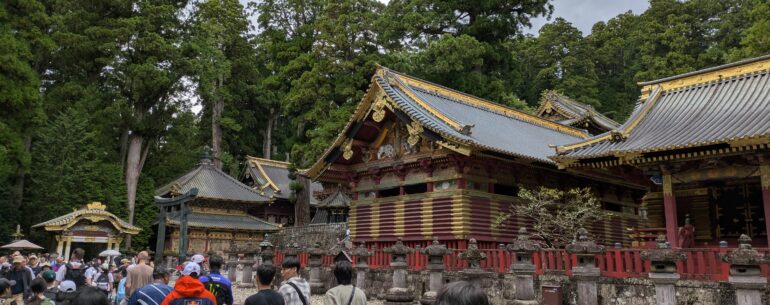
There are several options but as there was so much to see in Tokyo itself over 5 days, I decided to visit only Nikko. I was anyway staying for 2 nights in Hakone later on.
- Nikko, a UNESCO Heritage site;
- Kamakura and Enoshima Islands, for temples, beaches;
- Hakone for mountain scenery, hot springs and Mt. Fuji views;
- Fuji 5 lakes for views of Mt. Fuji;
- Atami, a coastal town.
Another one not generally listed is Matsushima Bay that is rated as top 3 scenic places in Japan. Takes 3 hours to get there but doable. I have also omitted Yokohama, another big town located close to Tokyo.
Best time to visit
I was in Tokyo from September 30 to October 5. The weather was great though cloudy most of the time with short showers on couple of days. I had a raincoat so it did not hinder me in any way. October/November is a good time but a bit expensive, though not as much as during the Sakura season. Summer and winter would be cheaper with less crowds but one has to contend with rainfall during summer. The typhoon season in Japan peaks during August and September and can often cause disruptions. Even in Tokyo.
Travelling to Tokyo
Check this link for more details.
Is Tokyo expensive?
I don’t think so. It is in fact much cheaper than equivalent bigger cities like New York or London. The accommodation cost me ¥50k per night for a couple, commuting by subway~¥1k per day per adult, food and beverages ¥7-8k per day per adult. Rest of the money was spent on attractions which is a variable number(but ¥10-15k per adult will be required over 5 days) and shopping. The cost of day trips would also vary depending on the location but a minimum of ¥10k would be required.
One important factor for Japan being relatively more affordable to Indians is that the INR has actually appreciated against JPY over the last 10 years.
What else?
- Tokyo is big and it can take time to move around. Take some time to study the train/subway map. Don’t get misled by the travel timings shown on Google maps. This is for the locals who know their way around. Visitors will need more time. At some of the bigger stations, moving to the exit or to a specific platform can easily take 10 minutes or more by walk, depending on entry/exit point. If you have made any bookings, keep ample buffer time.
- Tokyo will require a great deal of walking as well as standing in subway/local trains.
- An interesting observation was that a small tray is always kept wherever payments have to be made. Cards or cash always pass through the tray, never directly hand to hand. Even tickets are often not handed over but placed on the tray.
Is Tokyo worth a visit?
Absolutely. This dazzling mega city is hyper safe, clean, very modern and futuristic and at the same time, respects traditions. Whether you love architecture, or history, or you are an anime fan or love the amusement parks or the nightlife or you are a foodie or looking for quiet moments in a zen park or looking for interactive digital art museums or nature, Tokyo has it all. Even the beaches are not too far.
For more information
https://www.gotokyo.org/en/index.html
https://www.japan-guide.com/e/e2164.html
https://www.japan.travel/en/destinations/kanto/tokyo
Related posts
Japan, the land of the rising sun
Kanazawa, the little Kyoto of Japan
Kyoto, the temple city of Japan