
Nikko is rated among the top day trips from Tokyo. With a rich history that includes UNESCO world heritage sites set amidst natural scenery, the web photographs were impressive. Given the strong recommendations, I chose Nikko for the only day trip that I could manage out of Tokyo.
1. Getting to Nikko from Tokyo
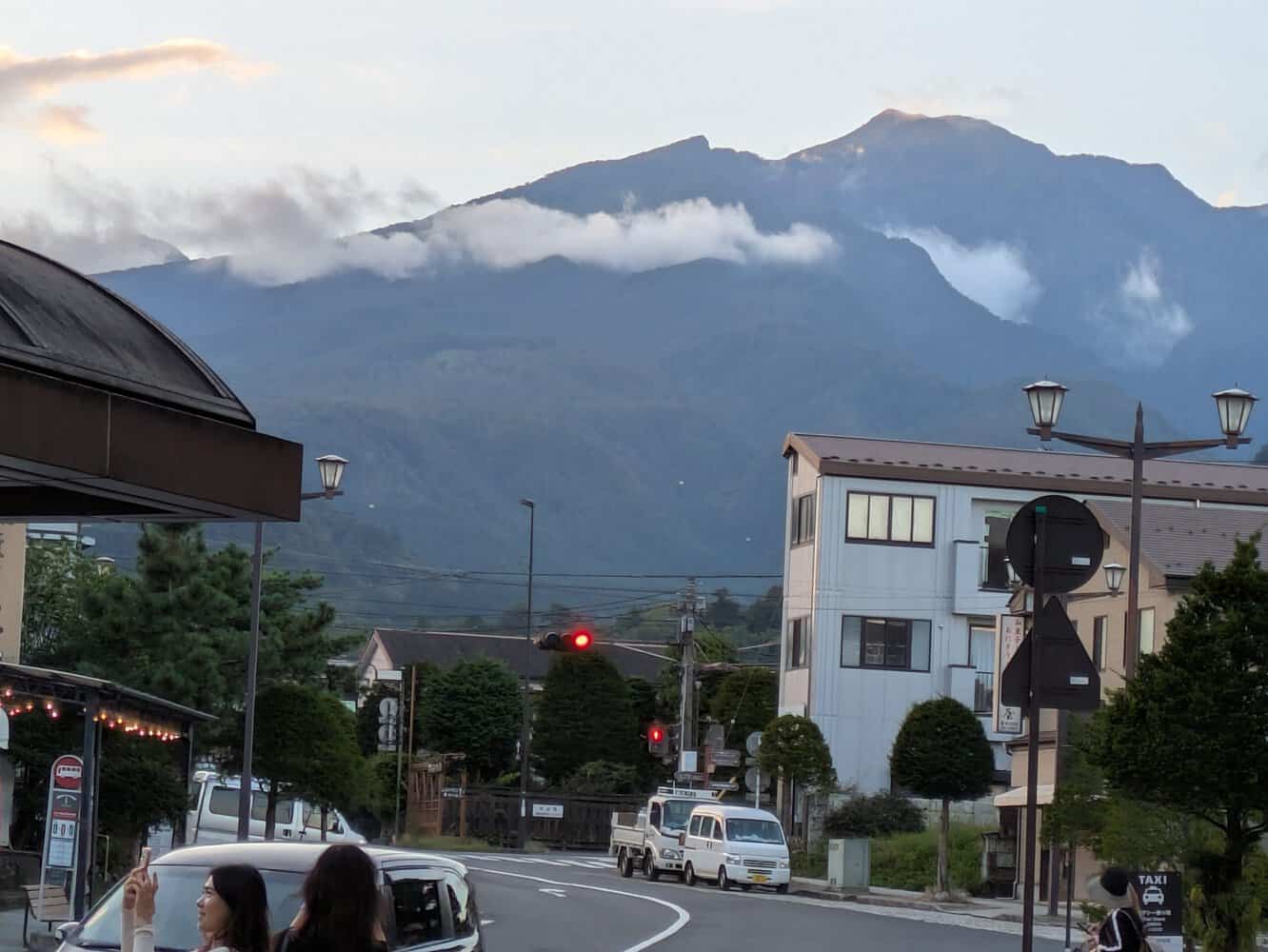
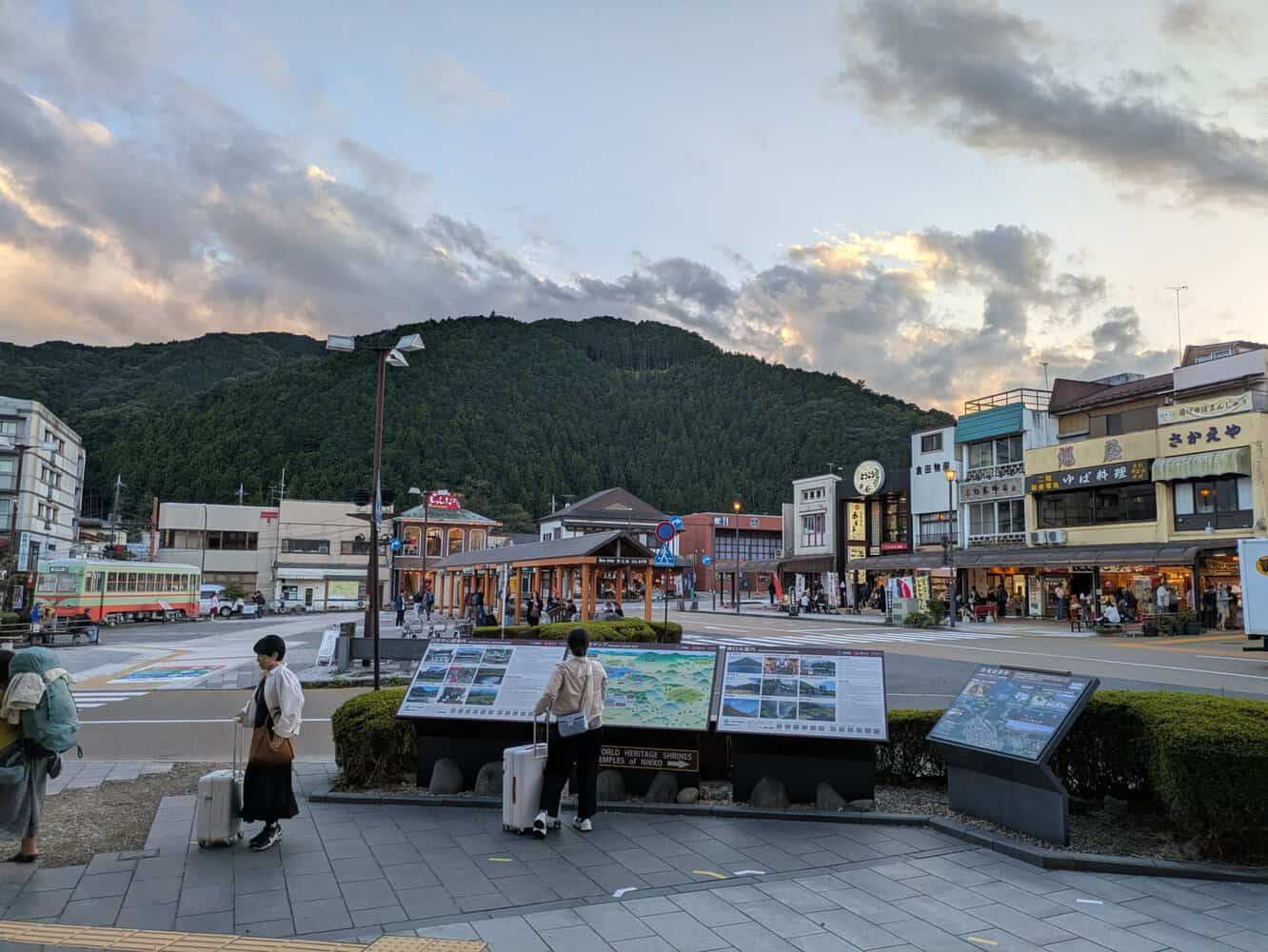
Train is the best option and Tobu railway operates several trains between Asakusa in Tokyo and Tobu-Nikko station. With Nikko pass issued by Tobu Railway, one round trip train fare between Asakusa and Nikko(one still has to pay the limited express fare) and bus rides in Nikko are free.
Tobu Railway also co-operates 2 direct trains in the morning from Shinjuku to Tobu-Nikko station but the Nikko pass does not cover this route. Not sure why but the ticket cost was also ~¥1k higher than the one way fare from Asakusa. I had Nikko pass and the 72 hour Tokyo subway pass so it made sense to board the Tobu train at Kita-Senju as it was more convenient and faster to get there than Asakusa from Shinjuku.
JR passes are not valid on Tobu Railway trains but they have alternative options.
2. Three clusters in Nikko
There are 3 major clusters to cover in Nikko:
i) World Heritage Area
ii) Lake Chuzenji, Akechidaira ropeway, Kegon Falls, Kanmangafuchi Abyss, Yumoto Onsen…
iii) Kinugawa Onsen, Edo Wonderland, Tobu World Square
It took me some time to decide what I wanted to do in Nikko. Eventually, I opted to only explore the World Heritage Area and Kanmangafuchi Abyss, time permitting.
The shrines and temples in Nikko close by 5pm or so(earlier in winter).
3. Nikko passes for tourists
There are two passes –
A) World Heritage Area pass (¥3k valid for 2 days). Covers travel in areas at 1. and 3. above
B) All Area pass(¥8k valid for 4 days). Covers travel in all the 3 major clusters stated above.
For a day trip, the World Heritage Area Pass is the only option. The cost is roughly equal to the return base train fare between Asakusa and Tobu-Nikko. With 3 short bus rides in Nikko, I may have saved a very nominal sum, maybe around ¥500 or marginally more. Hardly a sum to be bothered about and hence, skipping the pass will not be a problem if you have Suica or equivalent card. While there are buses that ply only in the World Heritage Area, the pass allows one to board any Tobu bus in the said area.
With Nikko pass, I still had to buy the limited express train ticket(¥3.3k for return per adult).
Passes can be bought online
I purchased the World Heritage Area Pass on Tobu Railway website after creating an account. It was a digital version that had to be activated on the day of travel. Upon activation, a timer keeps track of validity. This pass with timer needs to be shown on the bus or train. Login to the account was via OTP.
The limited express tickets too can be purchased online ahead of time. Tickets were cancellable up to 15 minutes before departure.
4. What to do in Nikko
World Heritage Area
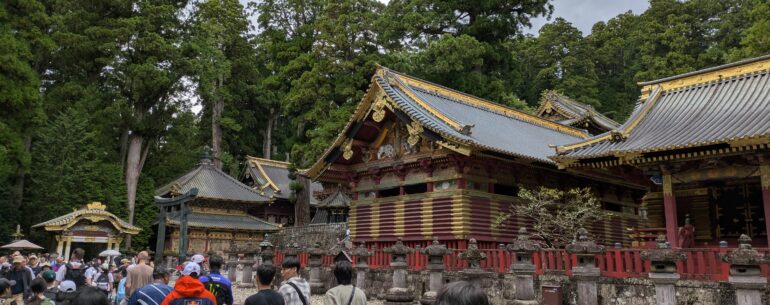
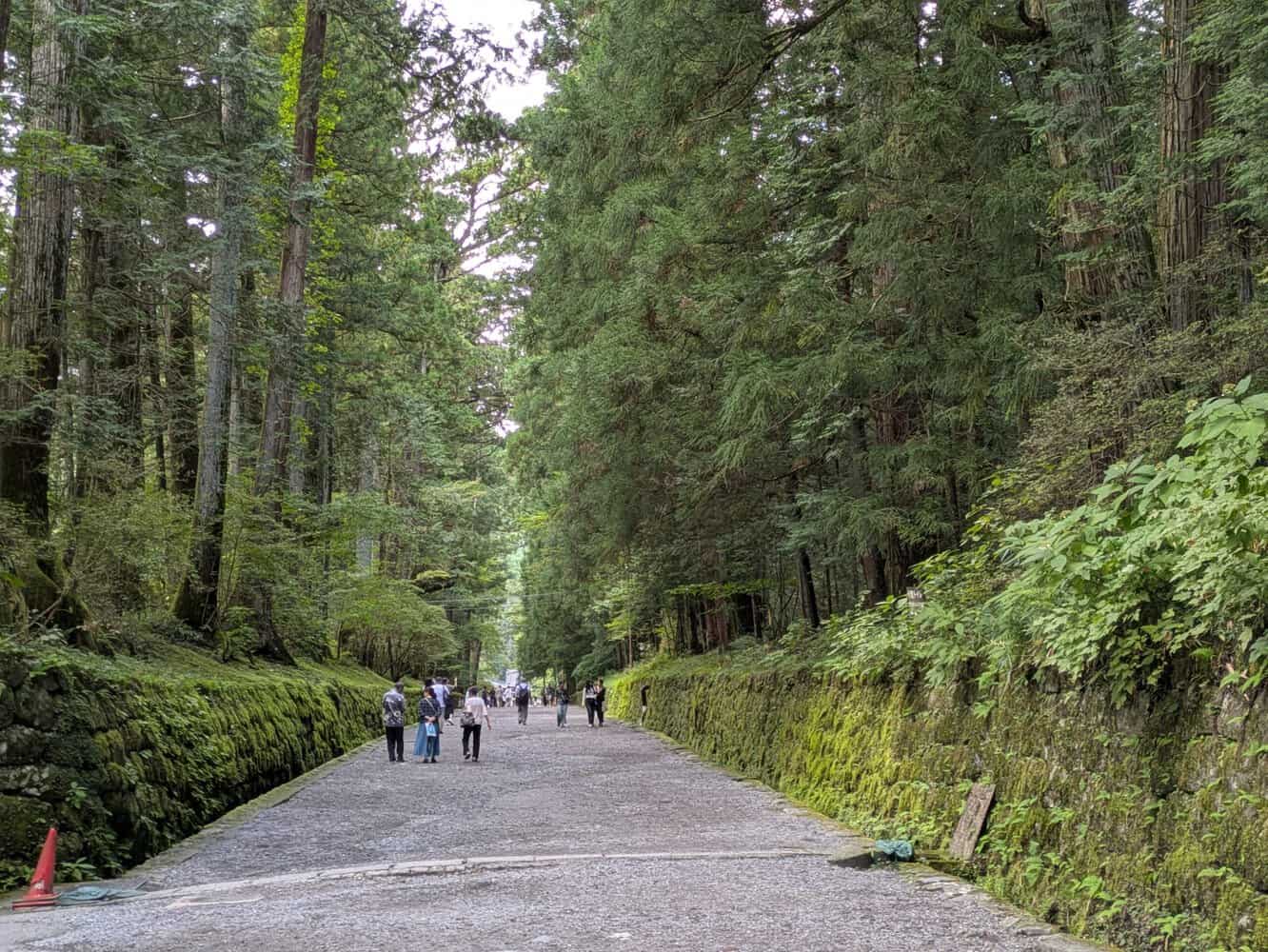
The prime attraction in Nikko, there are over 100 Shinto and Buddhist buildings in the heritage area, connected by paths lined with centuries old trees and stone lanterns. Many of the buildings are ~1000 years old, but few have been reconstructed over the years. They are certainly well preserved and undergo periodic repairs and maintenance.
The key sights are Toshogu Shrine(No. 1 attraction), Taiyuin temple (mausoleum), Futarasan-jinja shrine, Rinnoji temple and Shinkyo bridge. The area is walkable but I preferred a combination of bus and walk. This is what I did-
Bus from Tobu-Nikko station to Shinkyo Bridge, Bus to Taiyuin, walk to Futarasan-jinja shrine, walk to Toshogu Shrine, walk to Rinnoji temple, bus to Tobu-Nikko station.
Shinkyo Bridge
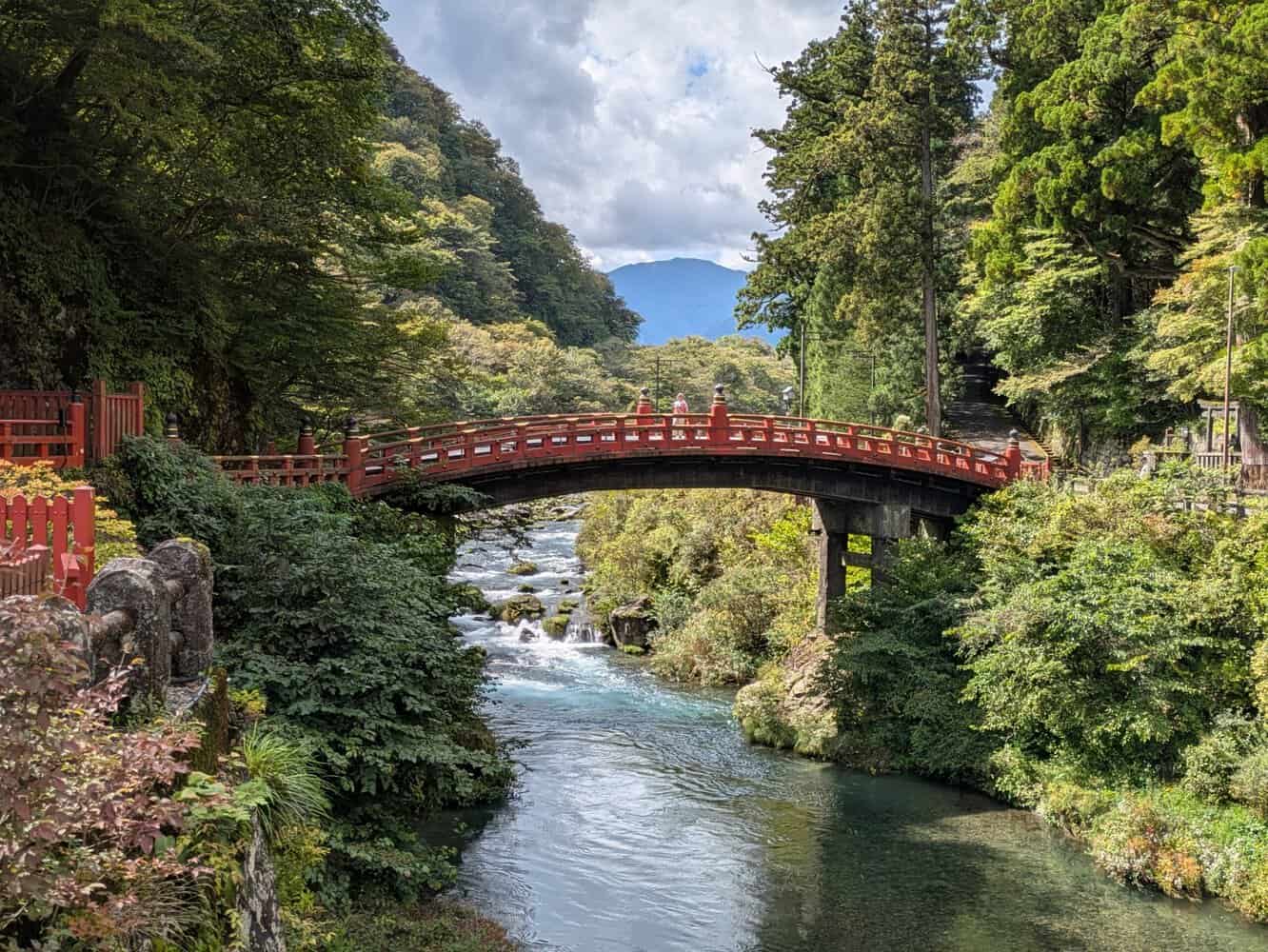
Cute looking, vermillion coloured wooden bridge but overhyped as a tourist attraction. The bridge has been reconstructed over the years and the World Heritage Area starts from here. It is a very small bridge and one can also walk across for ¥300.
Taiyuin Temple
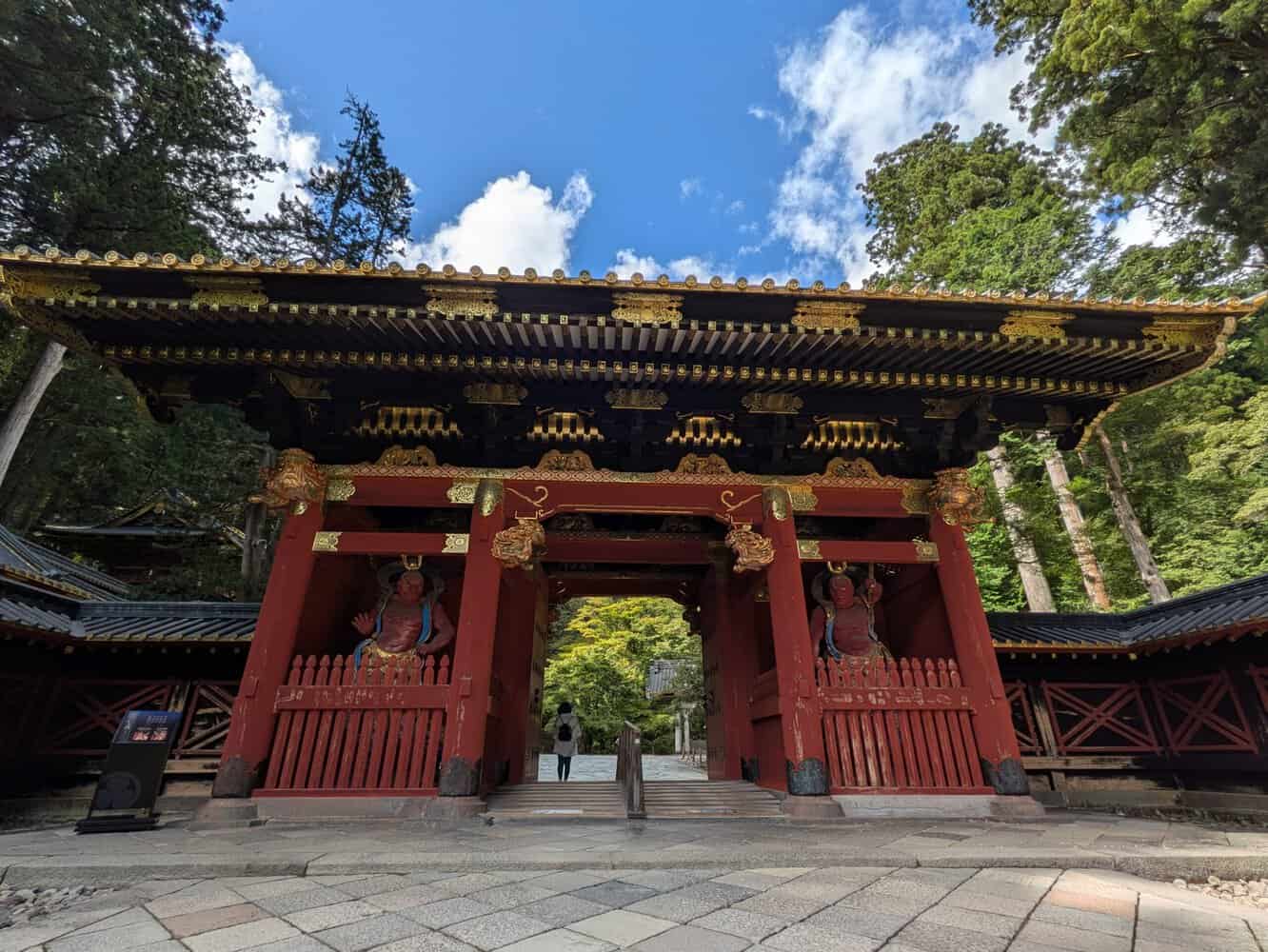
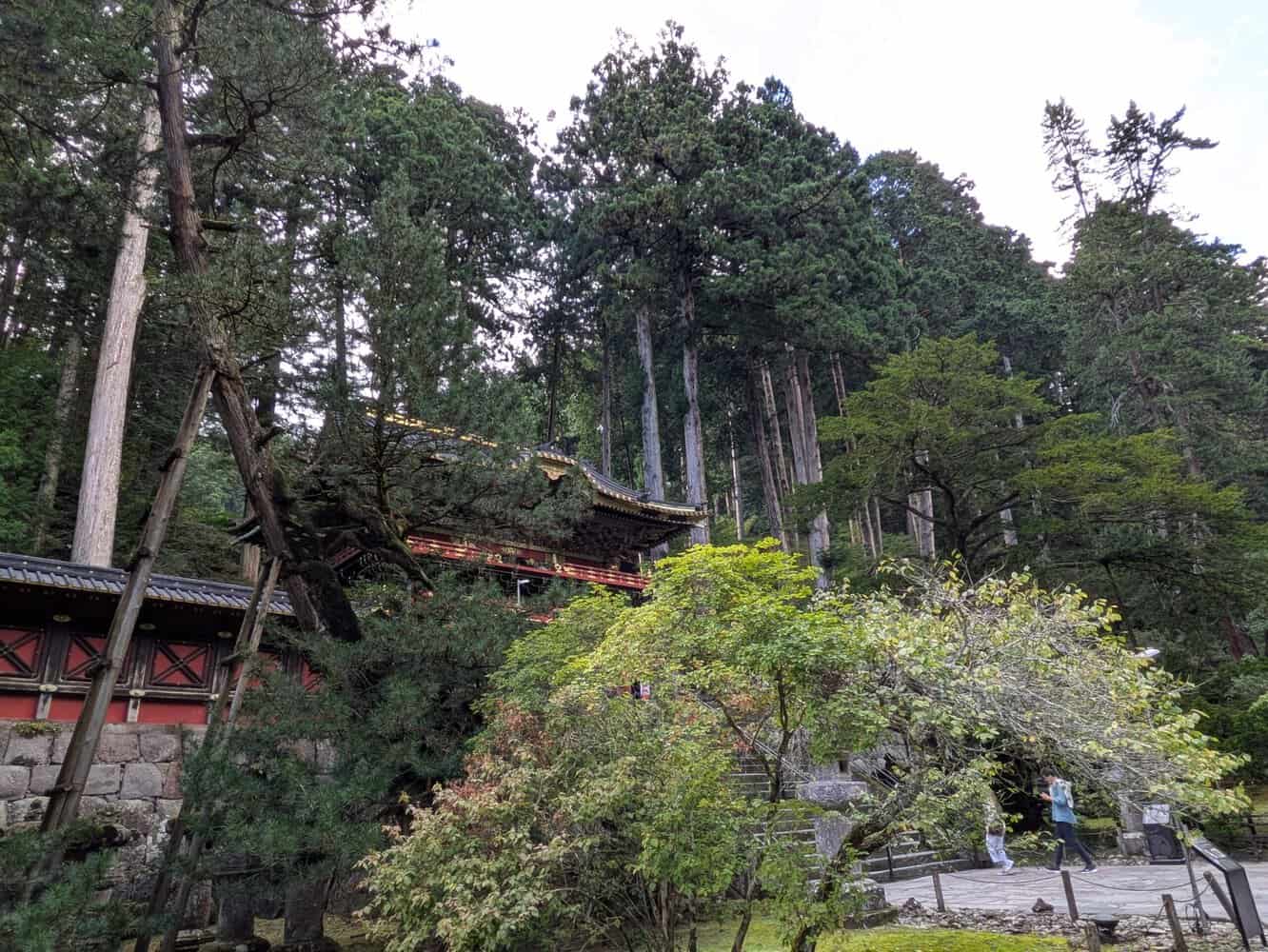
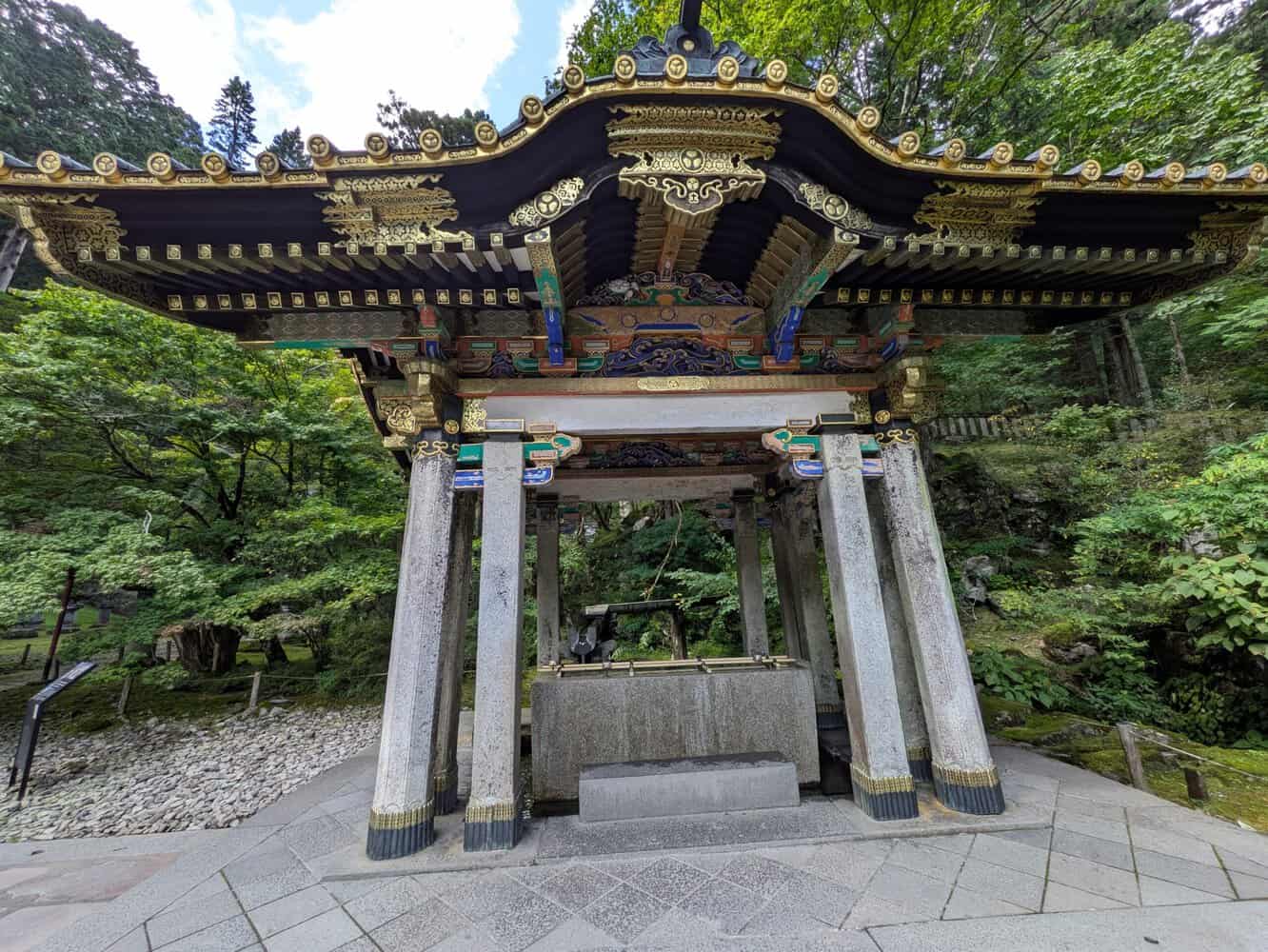
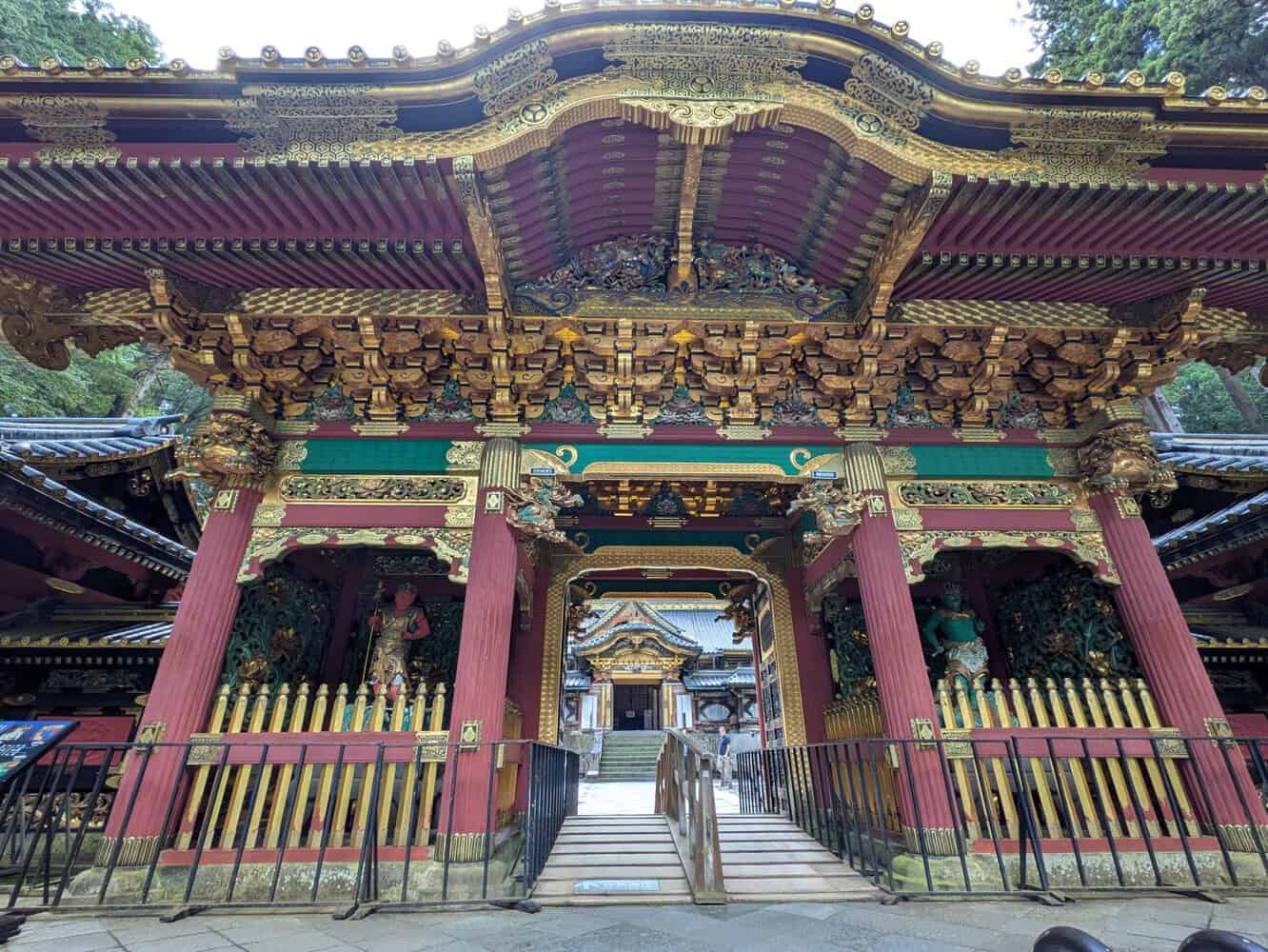
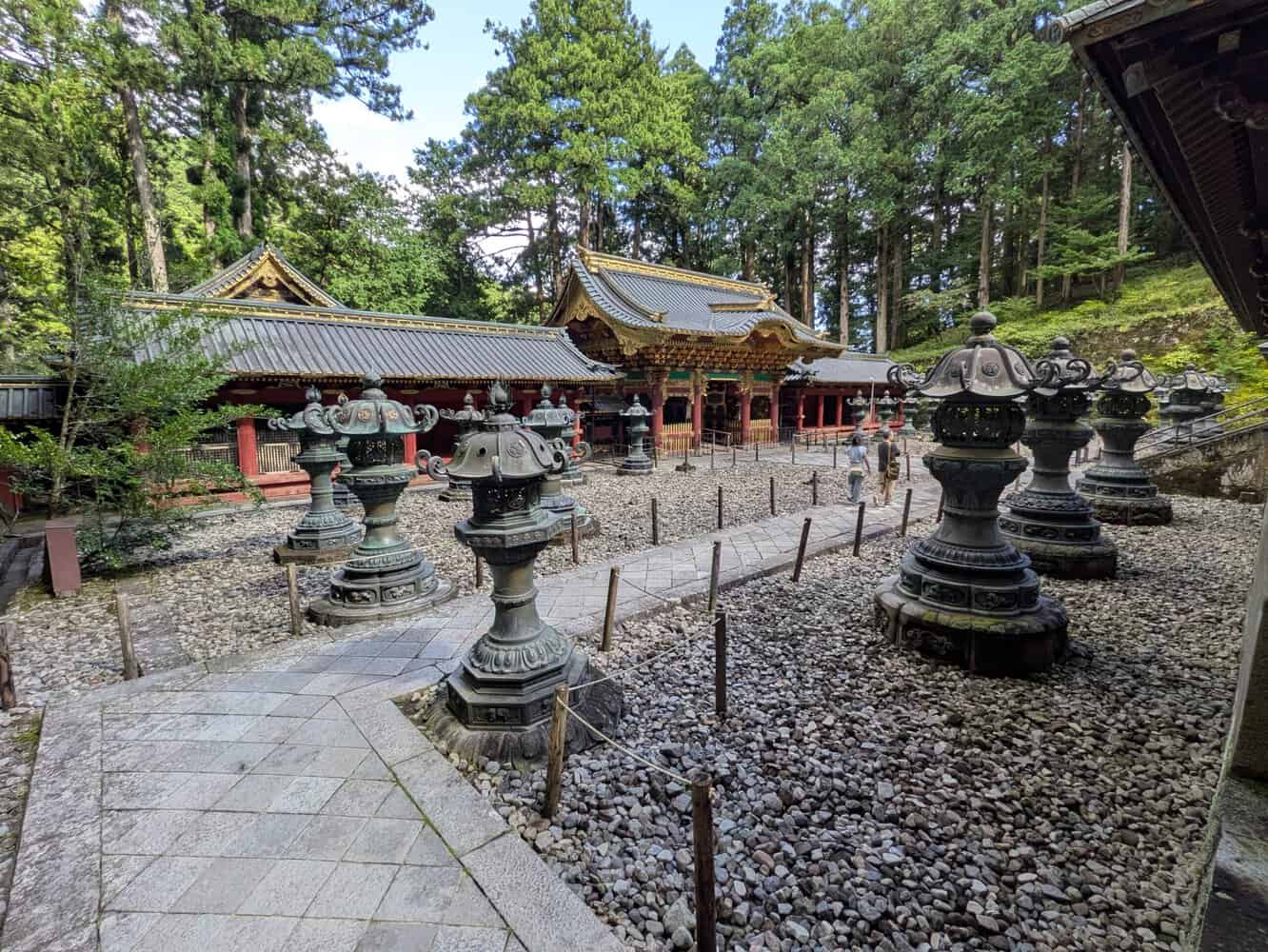
This mausoleum and its setting amidst nature is magnificent. In the open garden/courtyard, there are age old stone lanterns and the prayer hall is lavishly decorated. Entry fee is ¥550 and there is a fair bit of steps to climb. Good exercise in the morning hours!
Futarasan-jinja Shrine
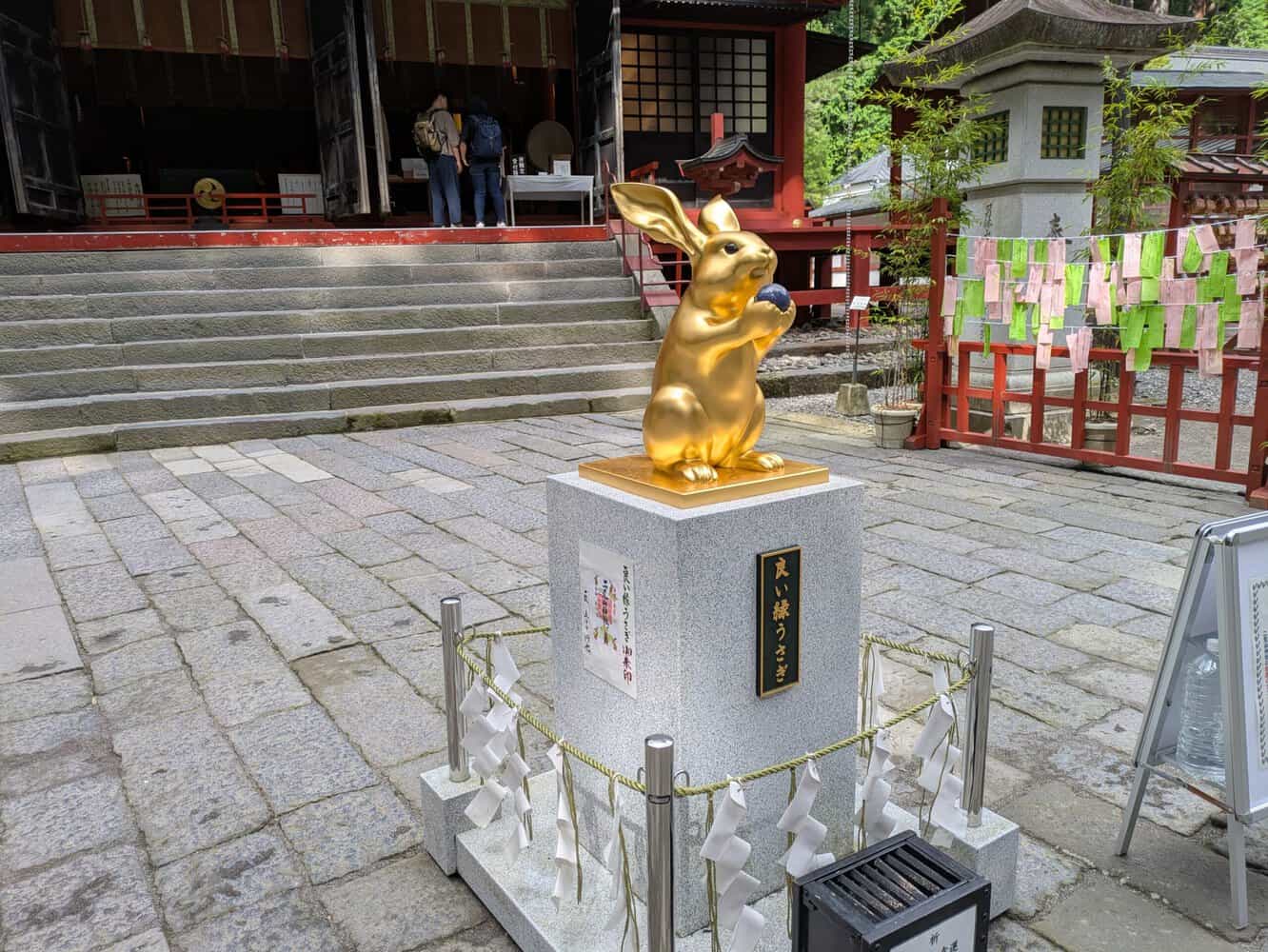
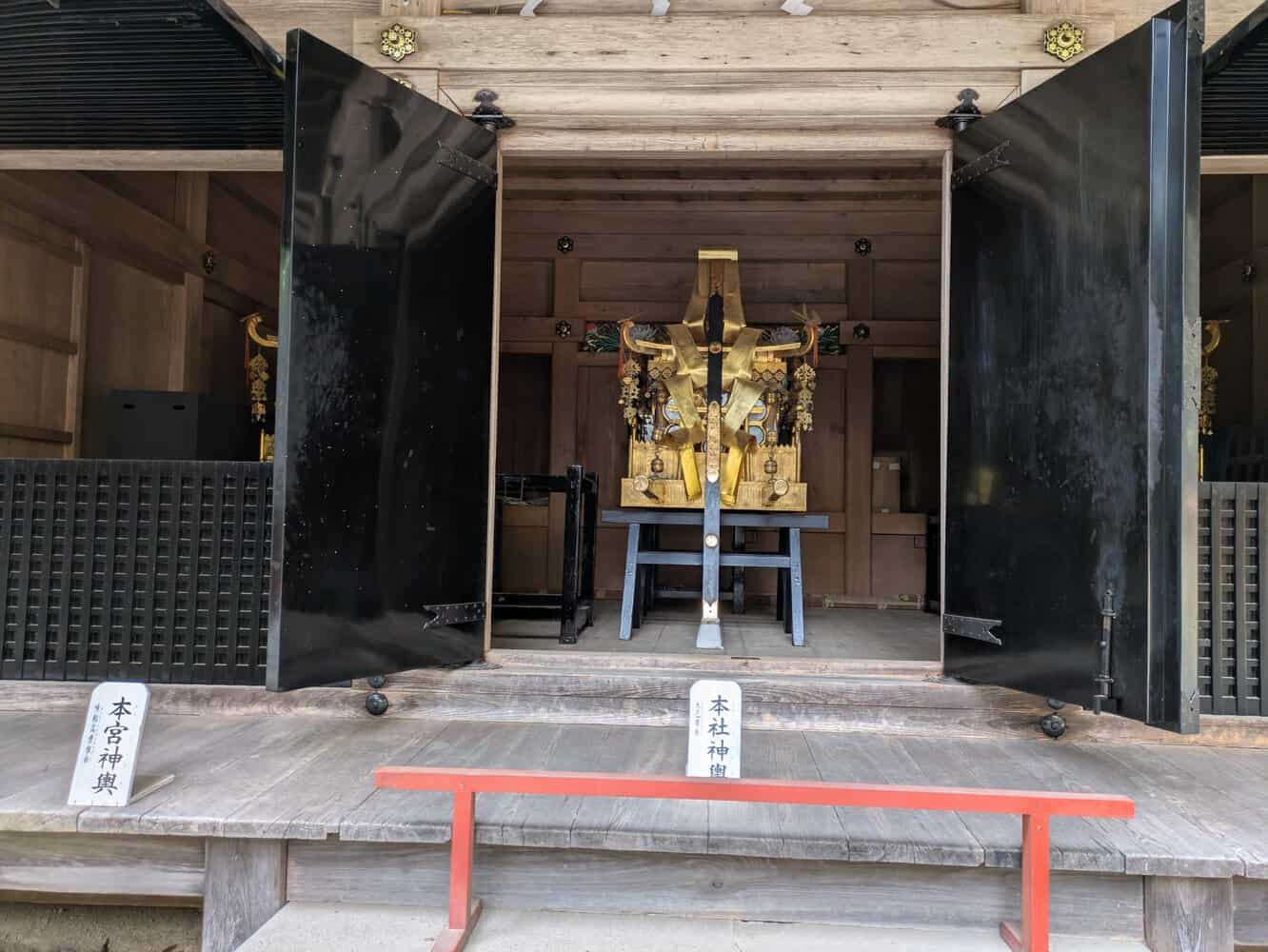
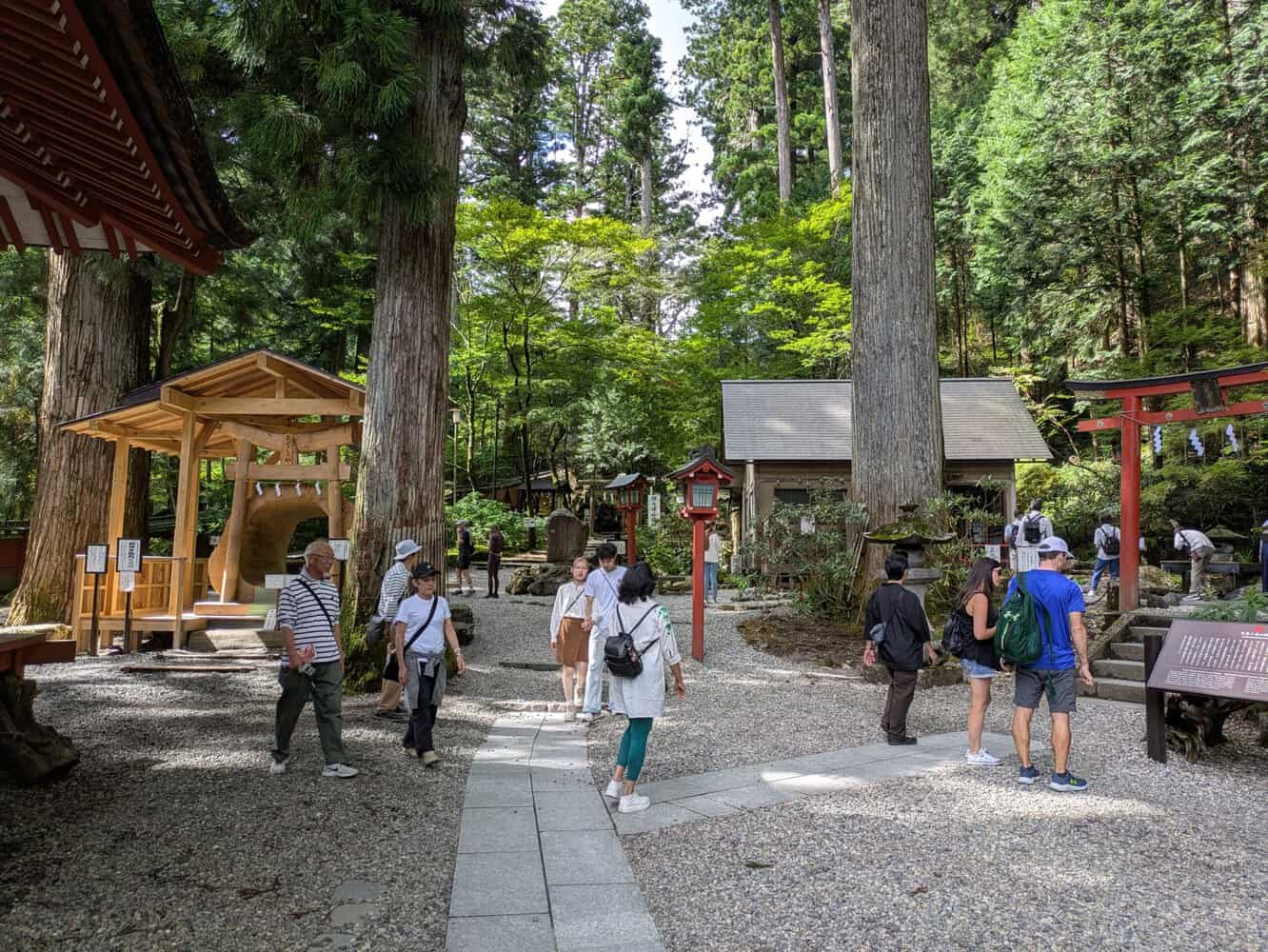
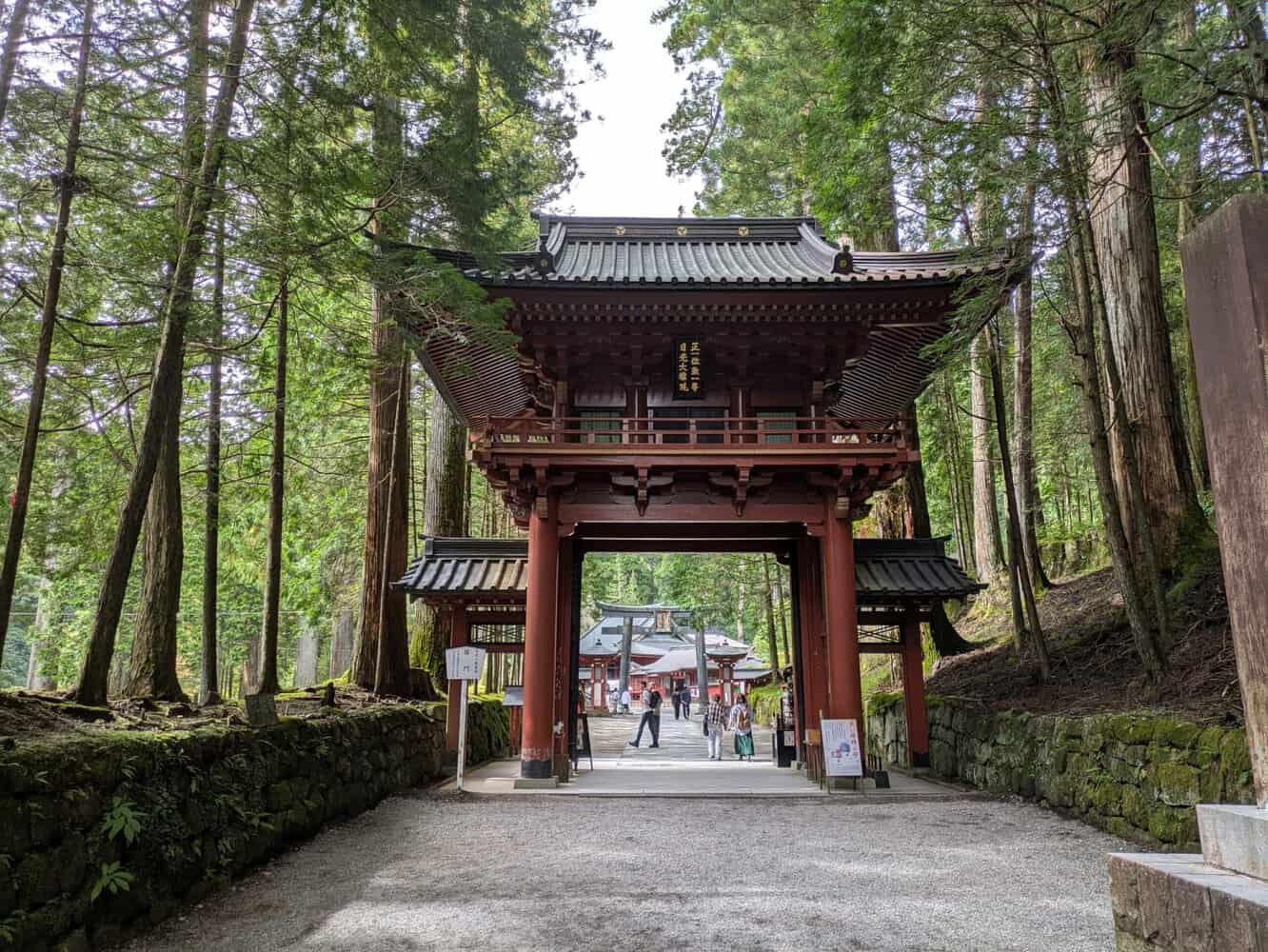
The nearby Futarasan-jinja Shrine pales in comparison to the other 3 temples/shrines. A golden rabbit, representing good fortune, adorns the entry path. There is a ¥300 fee for entry to the adjoining sacred garden which I loved for its tranquility. But I was clueless on the significance of the various structures in the garden.
Toshogu Shrine
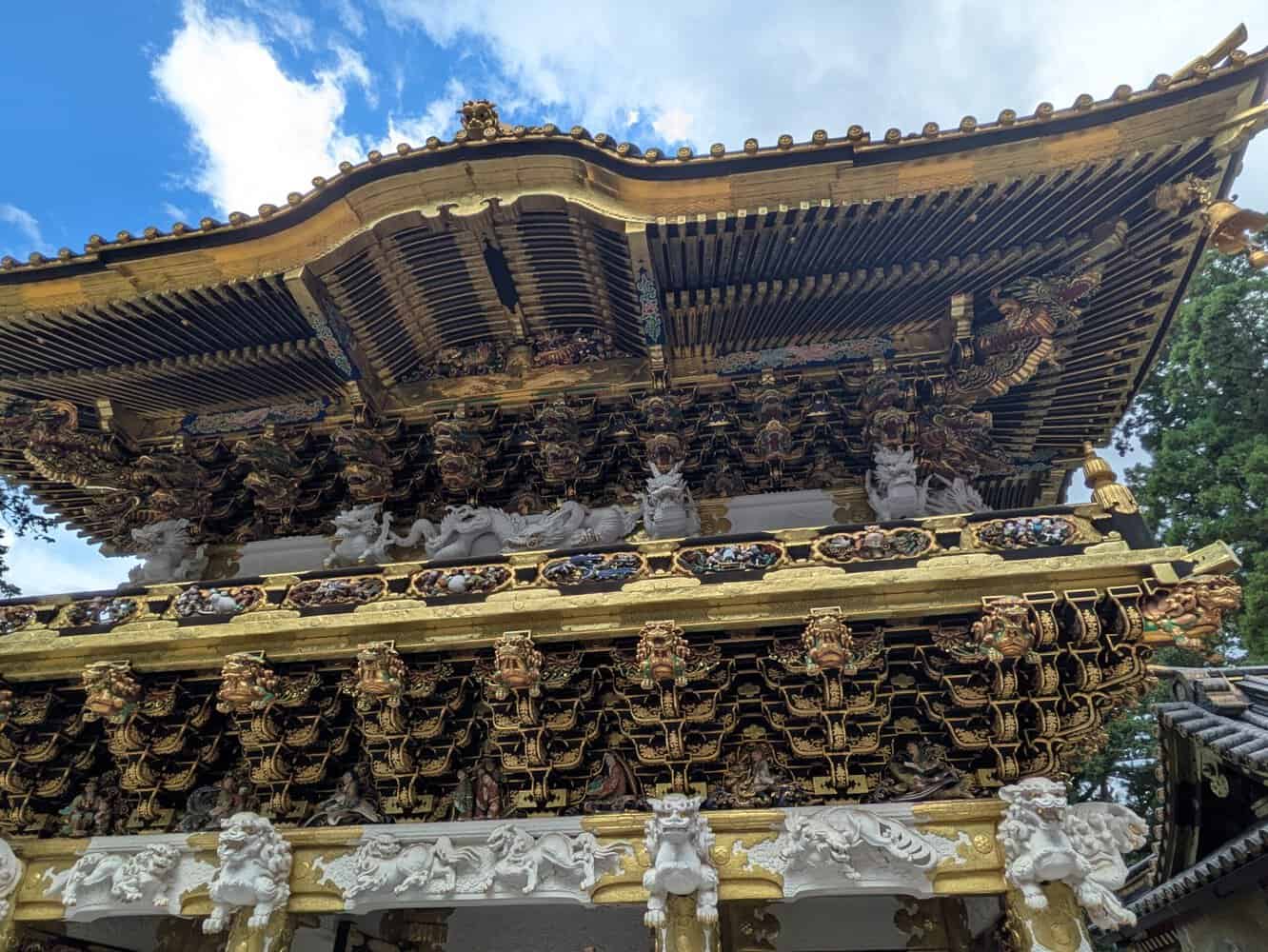
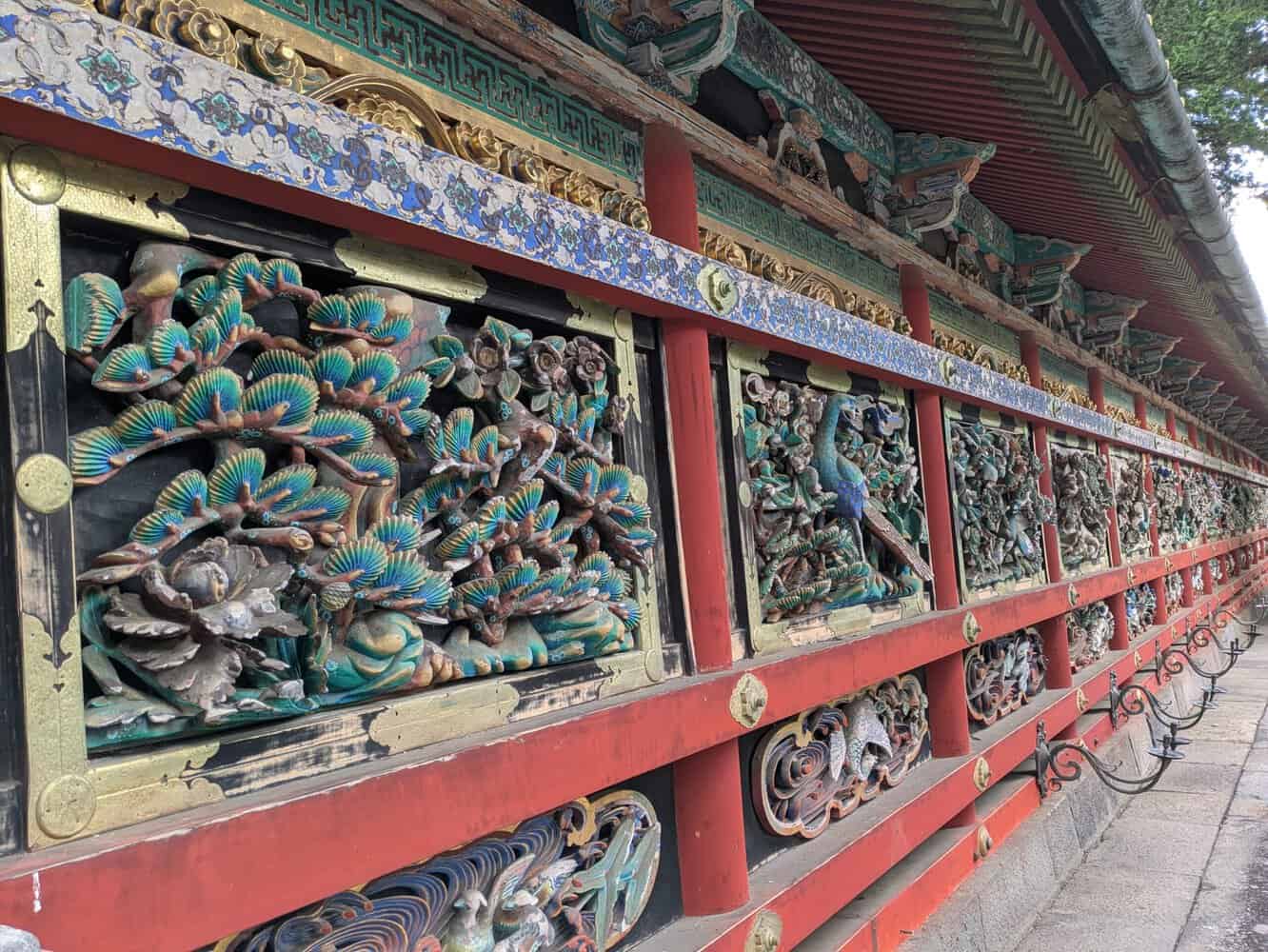
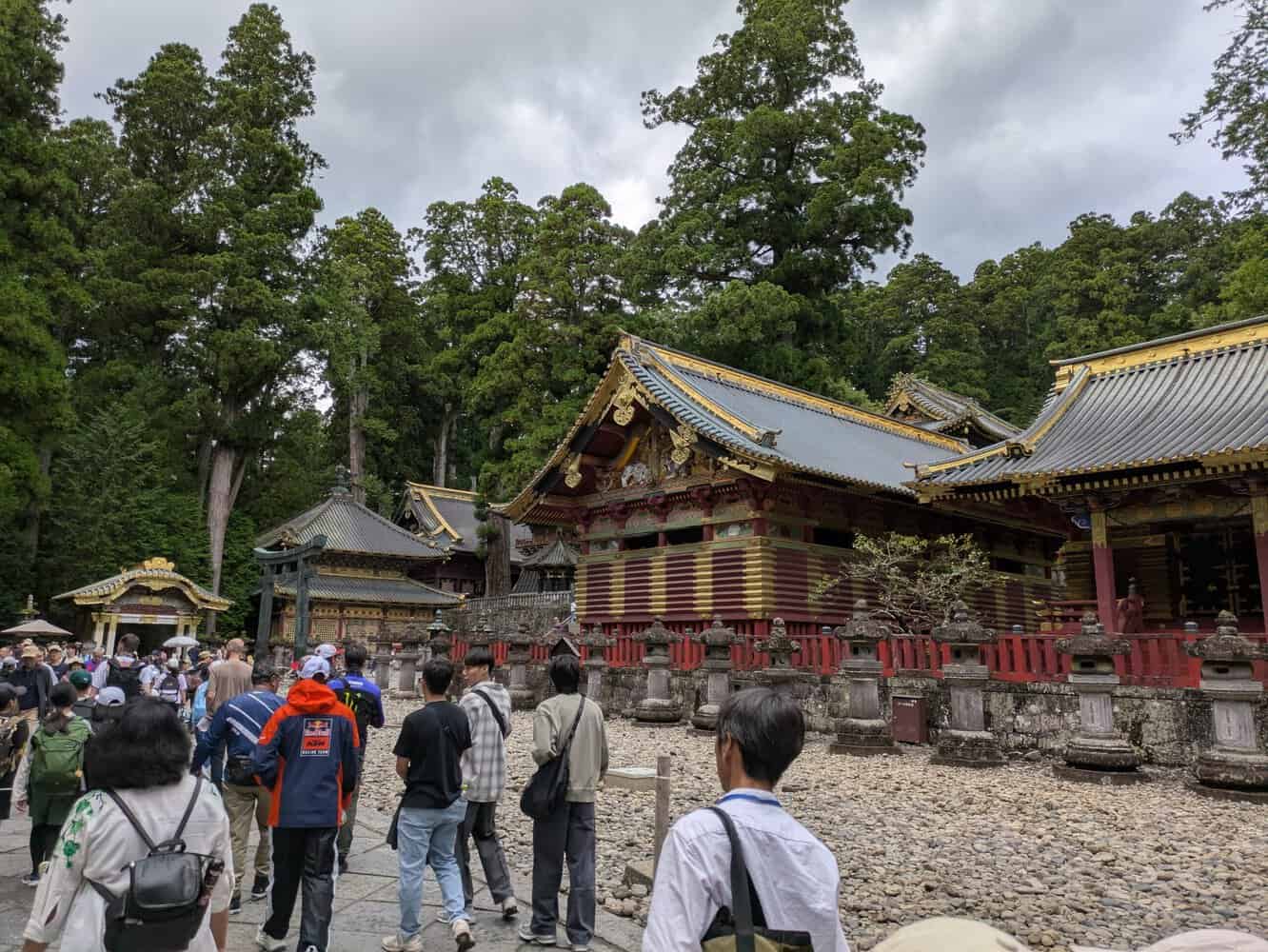
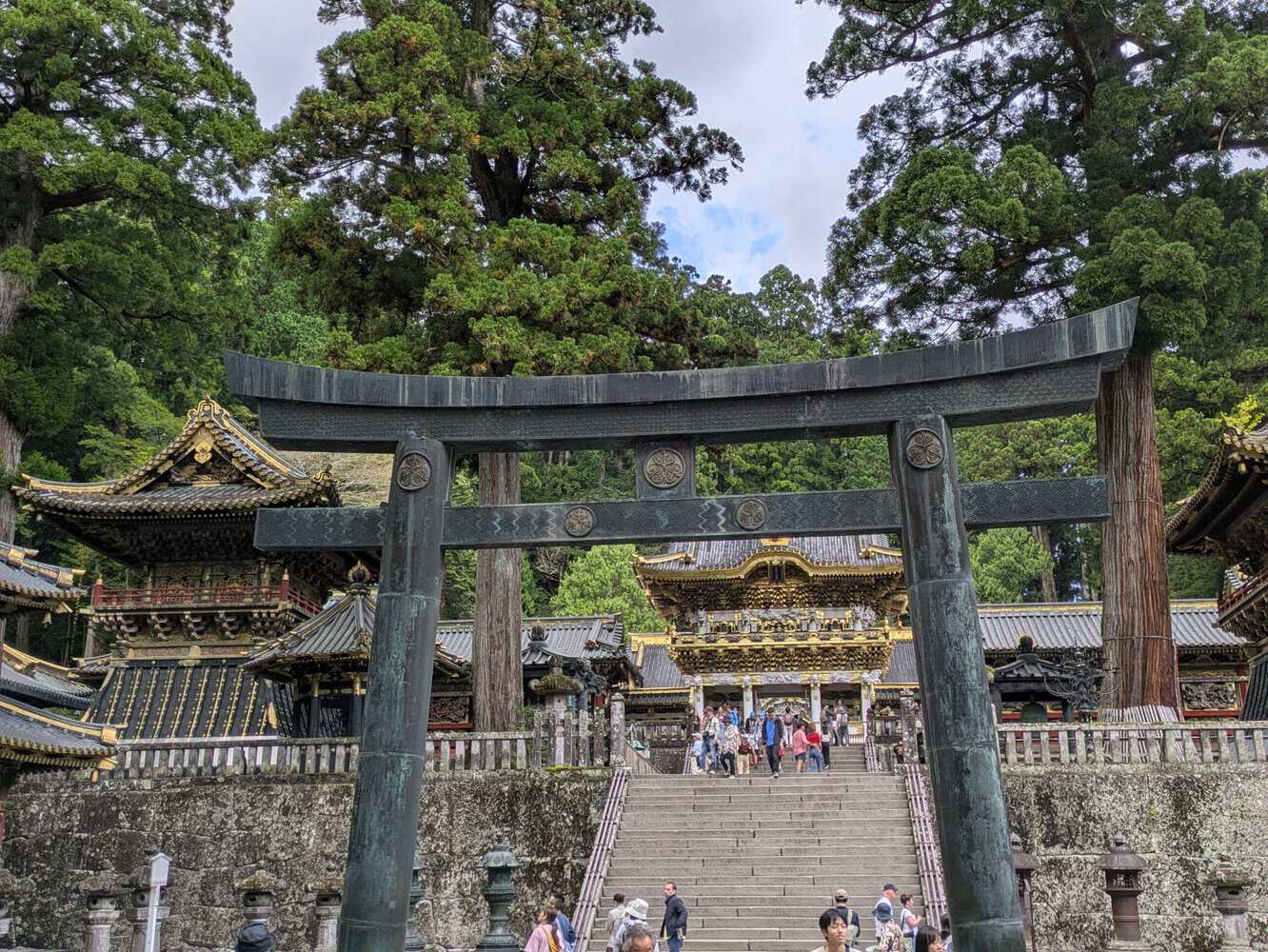
This is the most famous and the most lavishly decorated Temple in Nikko. There are over 50 buildings in the complex, with lovely ornate gates, wooden and gold leaf carvings. Specific references are often made to the carvings of 3 monkeys and a sleeping cat but I found them to be quite ordinary. Entry fee is ¥1600.
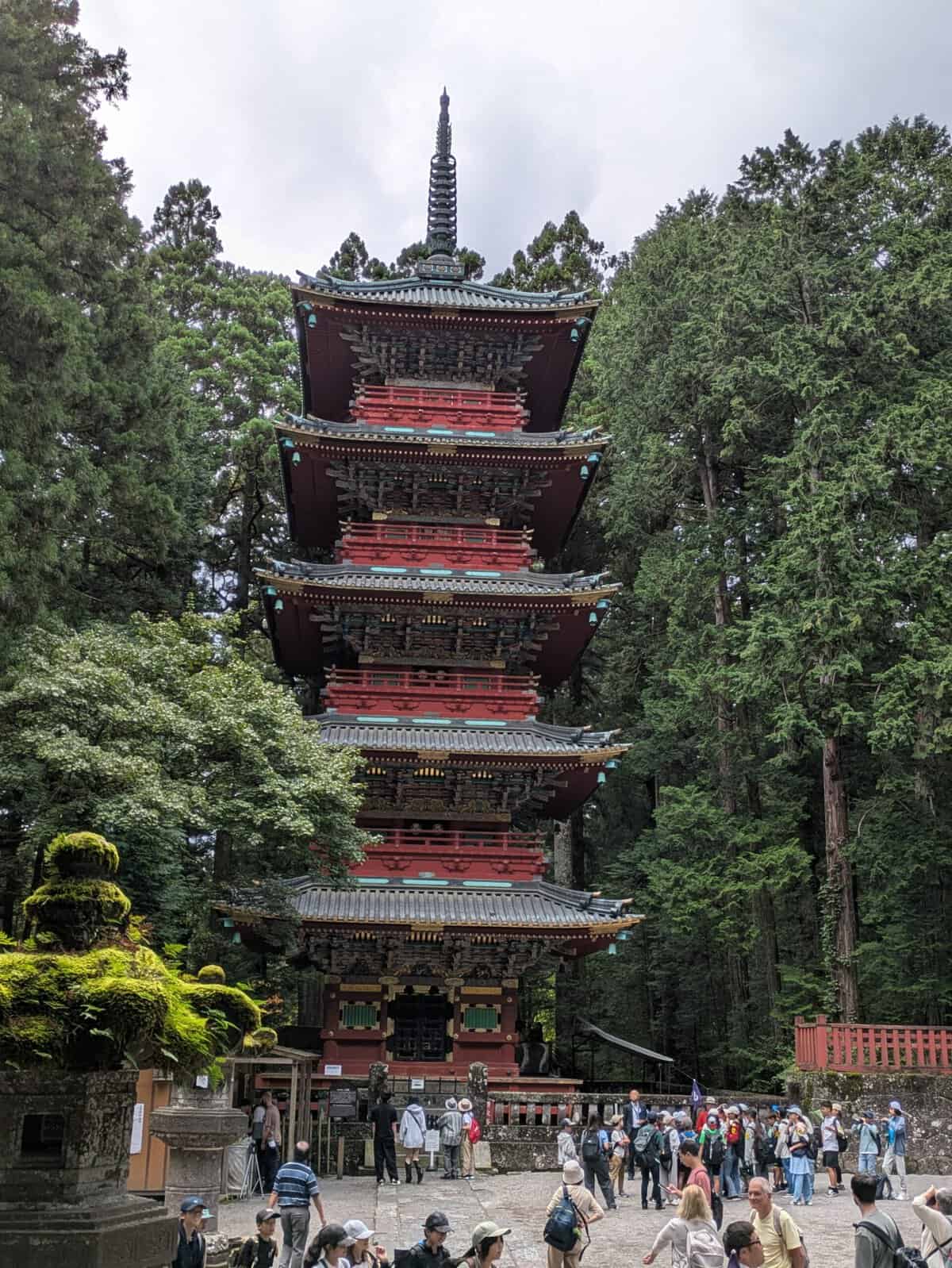
A beautiful 5 storied pagoda rests just inside the entrance. The 5 stories represent the 5 elements and the central pillar does not touch the earth, making it earthquake resistant. Entry fee is ¥300 for a closer look but I did not see anyone going inside the pagoda.
Toshogu Shrine requires a minimum of 1 hour.
Rinnoji Temple
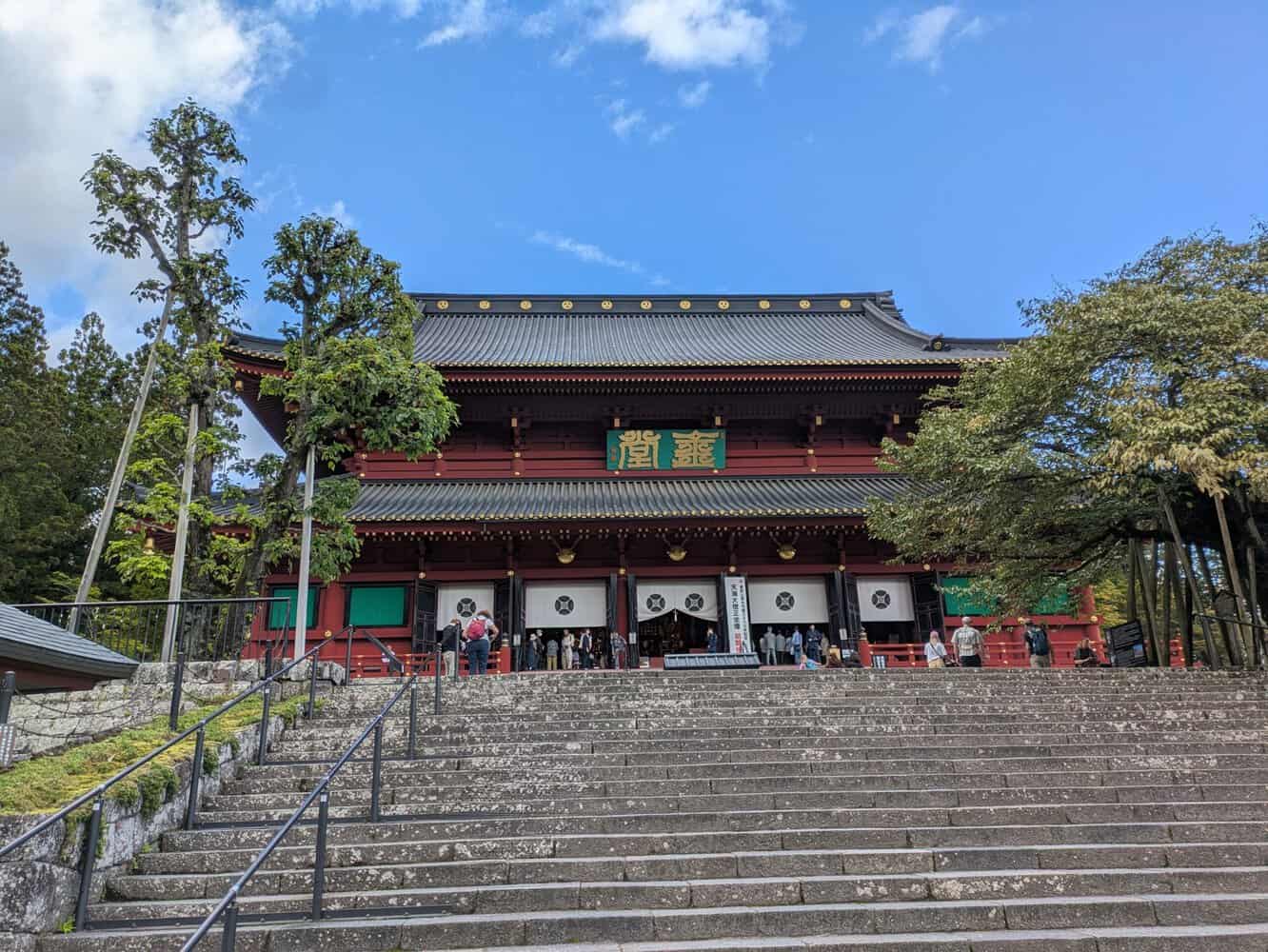
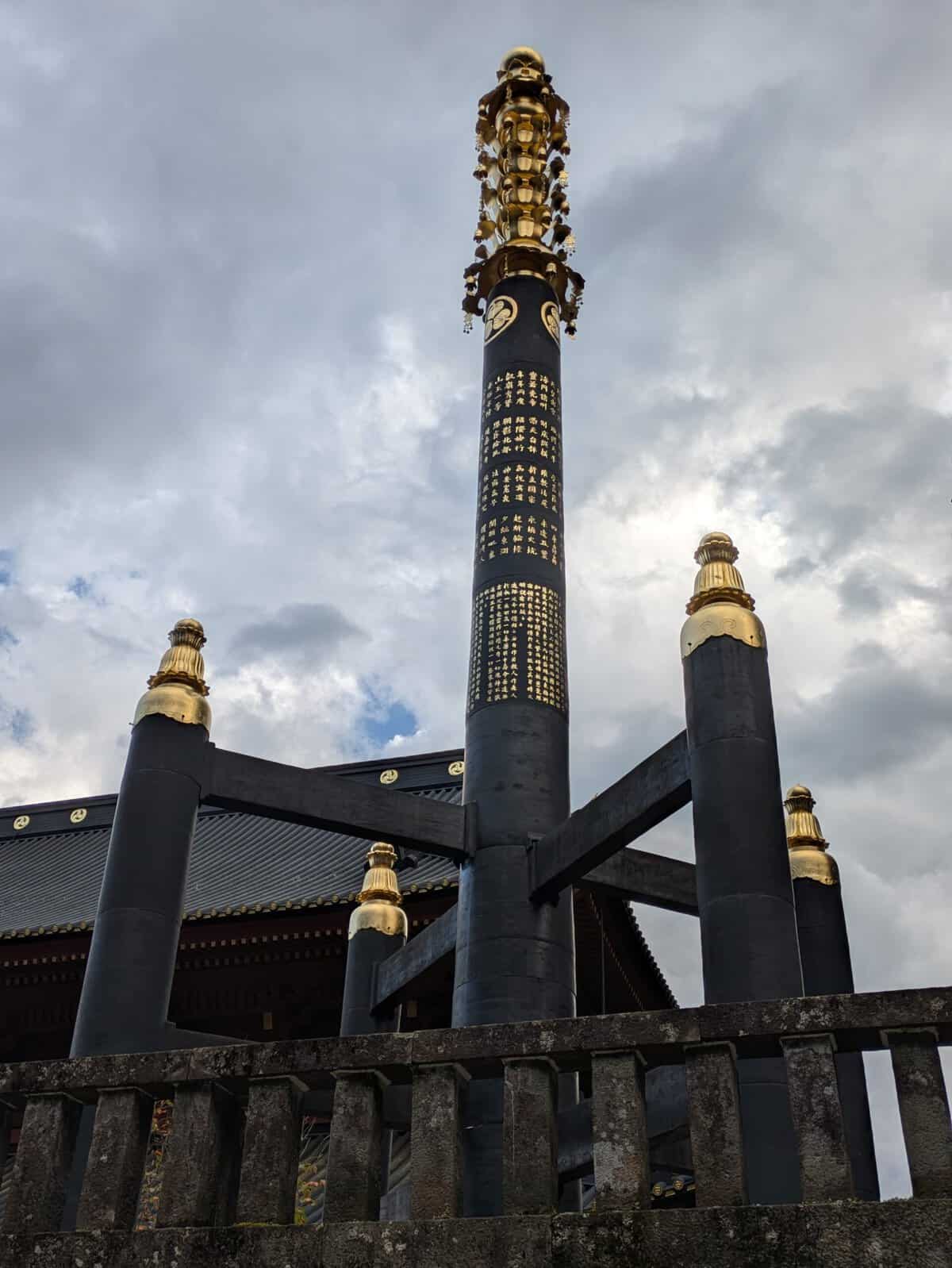
The main hall contains golden statues of the Buddha. Entry fee just for the temple hall is ¥400. I was content to admire this lovely temple from outside! The adjoining bronze pillar is stated to contain Buddhist sutras in golden colour.
A Goma prayer ritual with vegetarian cuisine plan is on offer at Rinnoji Temple(online booking). Cost is a bit stiff at ¥9100 per adult but may just be a good experience. But I am not sure if non-Buddhist tourists can also try it out.
From the temple, I could not figure out where the nearest bus stop was and ended up walking down the hill to the main road.
What I skipped
There are museums, gardens and other historical buildings but it is hard to cover everything in a day.
5. Total time taken
I started from the Tobu-Nikko station around 11.15am and was back around 2.45pm.
By the time I finished ‘lunch’, there was not enough time to go elsewhere as my return train was at 5.24pm. Kanmangufuchi Abyss was possibly doable by taxi (¥2k one way) but I was not sure I would get one on return. In any case, the photos did not suggest it was a must do kind of a trip that justified potentially missing the train connection!
6. What else?
Tobu-Nikko station to Akechidaira ropeway is ~35 minutes by bus and costs ¥1250 per adult one way. The 3 minute ropeway takes one to a platform providing panoramic views of Kegon Falls and Lake Chuzenji. Akechidaira stop lies well outside the World Heritage Area.
Kanmangufuchi Abyss is on the way to Lake Chuzenji. Closest bus stop is Tomozawa(stop 11) but one can even walk from Nishisando(stop 86). Both these stops are covered by the World Heritage Area pass.
If one arrives in Nikko by 8.00am, and depart after 6pm, one can cover both Akechidaira ropeway and Kanmangufuchi Abyss. The only other way to maximize sightseeing on a day trip is to rent a car in Nikko.
7. Vegetarian food
I checked the menu at couple of joints near the station and cafes inside the station that were supposed to have vegan stuff but nothing in the nature of a ‘meal’. There was a convenience store nearby from where I picked up sweet bun, bananas, smoothies, cold coffee etc. that was essentially my lunch. Very cheap lunch as I spent only ¥1400 for the two of us. Near the shrines and temples, there were vending machines dispensing ice cream and also outlets selling beverages and ice cream. Much needed as it was fairly warm during the day.
Overall I must have spent ~¥3.5k on snacks and beverages.
There is actually an Indian restaurant in Nikko called Taj Nikko, about 2.4 kms away from the station, near Nishisando Iriguchi bus stop. From Rinnoji Temple, I should have perhaps simply walked to the restaurant or taken a bus and then got back to the station.
8. In hindsight
I should have walked to Rinnoji temple from Shinkyo bridge and completed the loop in reverse order, ending at Taiyuin Temple. From there, I should have either walked or taken the bus towards Nishisando Iriguchi for lunch at Taj Nikko. Thereafter, walked to Kanmangufuchi Abyss before getting back to the station. I should also have planned to either arrive 30 minutes earlier or depart 30 minutes later.
9. Cash is required
Only cash is accepted for entry fee. What I recollect is that only Rinnoji temple accepted Suica card. I paid a total of ¥2750 per adult(Taiyuin ¥550, Fatarasan ¥300, Toshogu ¥1600) and skipped Rinnoji temple hall(¥400). Toshogu shrine can be booked online(see Official Nikko Guide) but the fee is non refundable.
Carry a minimum of ¥3k in cash per adult.
Rest of the expenses(convenience store, café, vending machines etc.) can be paid by card.
10. Cost of a day visit to Nikko from Tokyo
- Nikko World Heritage Area pass ¥3k
- Limited express ticket ¥3.3k (Spacia X is more expensive)
- Entry fee ¥2.8k
- Snacks/Beverages – ¥2k(add 1k for full meal)
- Local commute in Tokyo – ¥1k(partly covered by Tokyo pass)
Total is ~¥ 12k per person at the minimum for my itinerary.
11. Other matters to consider
a) The general advice was to avoid travelling to Nikko during weekends and local holidays as it can get very crowded. I visited on a Thursday and the only place that was crowded was the Toshogu Shrine.
b) It was a bright and partly cloudy day when I visited in the first week of October. The weather overall was quite pleasant though it got a bit warm in the afternoon. Thankfully, in the Heritage Area, the cedar trees provided plenty of shade.
c) A phone with data connection is a must if you have a digital Nikko pass/Electronic tickets as internet access is required to access one’s account on Toby Railway website.
12. Nikko is worth visiting but may not be must see
The shrines and temples in Nikko are quite lavish, compared to the minimalist design of shrines and temples elsewhere in Japan. But the underlying structure remains the same. Taiyuin Temple and Toshogu Shrine look very similar. Still, the World Heritage Area is worth a visit but is it a must see? I don’t think so. If one is visiting other famous temples and shrines in Japan, Nikko can possibly be skipped.
Should one stay overnight? Hard to say because from the photos, I think there are better scenic places in Japan to visit than Lake Chuzenji or Kegon Falls or Akechidaira ropeway. Both Tobu World Square(miniature park) and Edo Wonderland(cultural park) looked interesting but it was not on the priority list for my first visit to Japan.
So would it be better to spend half a day in Nikko visiting mainly Taiyuin Temple and Toshogu Shrine and the other half in Edo Wonderland? Possibly, though some time will be lost in commuting.
For more information
Related posts
Kanazawa, the little Kyoto of Japan
Kyoto, the Temple city of Japan
Amanohashidate, Japan’s bridge to heaven
Hakone, the Onsen theme park of Japan
Japan, the land of the rising sun
Discover more from My Travel Innings
Subscribe to get the latest posts sent to your email.